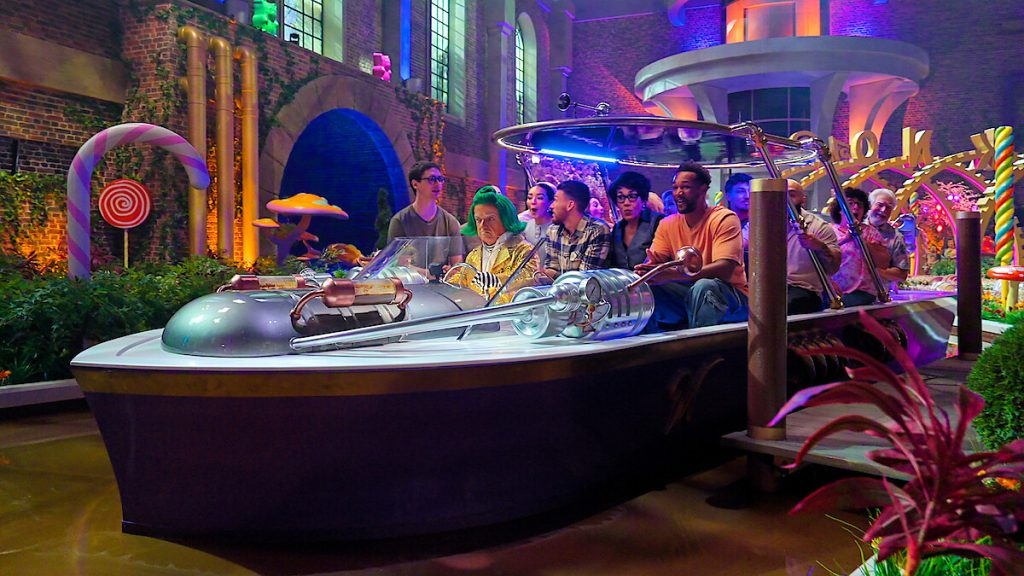
Netflix has opened the doors to Willy Wonka’s Chocolate Factory, with Wonka’s The Golden Ticket streaming from today, Wednesday, 23 September. Inspired by Roald Dahl’s Charlie and the Chocolate Factory, the new reality competition takes 12 Golden Ticket holders inside a huge recreation of Wonka’s factory, where they face games, temptations and challenges designed to test them physically, mentally and morally. There are nine episodes in total, although Netflix is splitting the series across two release dates, meaning viewers will have to wait until next week to discover who ultimately wins.
Wonka’s The Golden Ticket Netflix Release Schedule
The first seven episodes of Wonka’s The Golden Ticket are available on Netflix from today, with the final two episodes arriving one week later on Wednesday, 30 September. That gives viewers most of the competition to watch before a short wait for the finale and the reveal of who walks away with the prize.
Wednesday, 23 September – Episodes 1–7
Wednesday, 30 September – Episodes 8–9 / finale
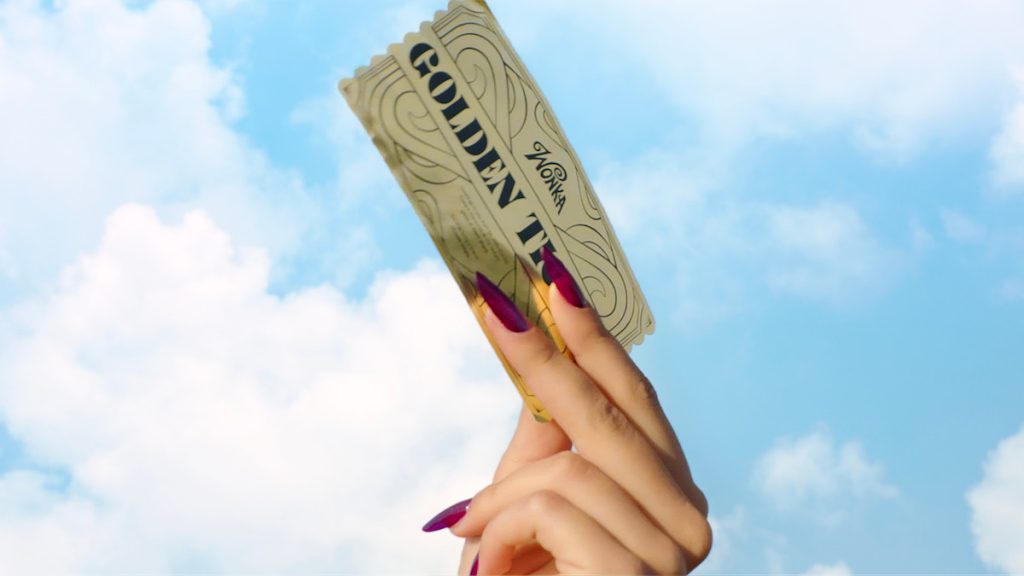
The competition began long before the contestants entered the factory, with potential participants sent Wonka chocolate bars following a nationwide casting process. They were not told whether their bar contained anything special, with only 12 people discovering a Golden Ticket inside and earning their place on the show. According to the production team, the reactions viewers see when the successful contestants open their bars are real.
What Does the Winner of Wonka’s The Golden Ticket Get?
There is a substantial prize waiting at the end of the competition, with Netflix describing it in Wonka-like fashion as a “lifetime supply of money”. In practical terms, the winner receives $3 million through a six-figure annuity paid over 30 years, giving the contestants plenty of reason to make it through the factory’s challenges.
Each Golden Ticket holder also enters with a partner of their choosing, with the factory testing their judgement, relationships and willingness to take risks as they move through its rooms and games.
Where Was Wonka’s The Golden Ticket Filmed?
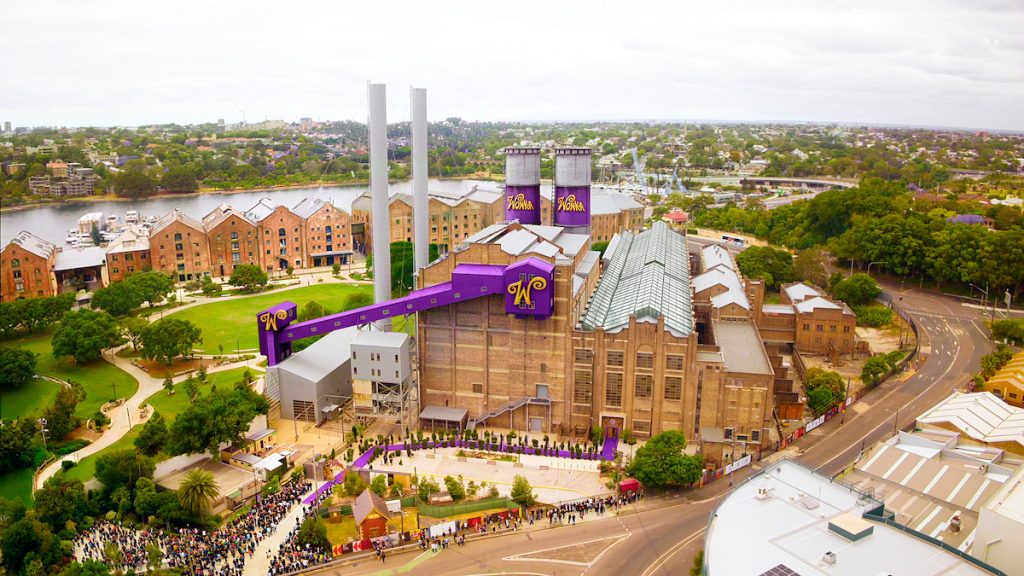
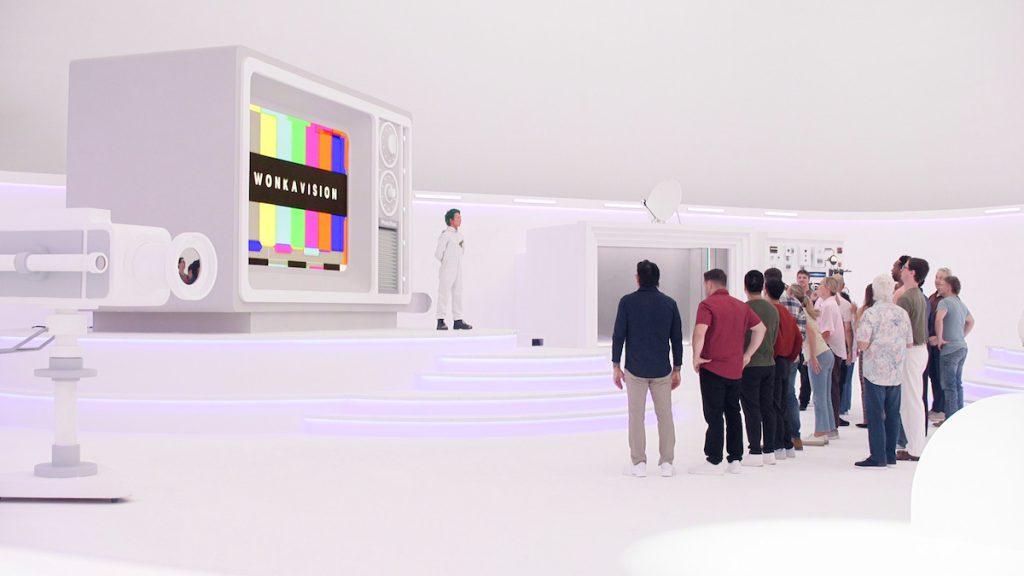
Netflix did not rely on green screen to create Wonka’s world. The production built an 88,000-square-foot Chocolate Factory across three studios on Australia’s Gold Coast, with the enormous set completed in 12 weeks. It includes the Chocolate Room, Wonkavision 2.0, the Great Glass Elevator and various new areas created specifically for the competition, while thousands of square feet of synthetic grass and around 10,000 gallons of purple and gold paint were used to transform the studios.
A large amount of what contestants encounter inside the Chocolate Room can actually be eaten too. The set features candied apples growing from trees, flowers flavoured with everything from strawberry and raspberry to peanut butter, caramel and butterscotch, and grass made to taste like lemon-and-lime sour straws. The production also used thousands of gallons of honey and miles of lickable wallpaper across the challenges, although the famous chocolate river is one thing contestants should probably leave alone. Its 27,000 gallons of “chocolate goop” were specially manufactured for the show and transported to Australia in 93 large vats.
How Does Gene Wilder’s Willy Wonka Feature?
Rather than having a traditional presenter guiding the competition, Wonka exists as an unseen presence throughout the factory. The production recreated the voice and manner of Gene Wilder’s version of the character with permission from his widow, Karen Wilder, who also provided access to old recordings and audiobooks to help the team reproduce his humour, delivery and distinctive tone.
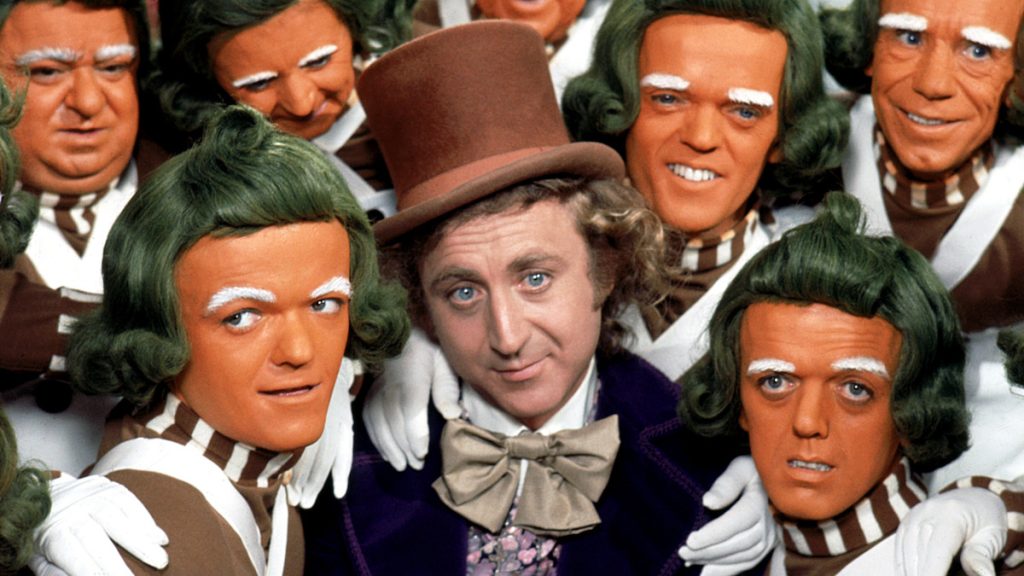
The connection to the 1971 film extends to the Oompa-Loompas too, with original performer Rusty Goffe returning to help the production shape its new version of Wonka’s workforce. The 2026 series features Oompa-Loompas of varying sizes, with the team aiming to update the factory while maintaining links to the world viewers already know.
Are the Magic Tricks in The Golden Ticket Real?
Many of the stranger things happening inside the Chocolate Factory were created using practical illusions rather than simply being added in post-production. Magic consultant Adam Mada worked on effects including contestants appearing to disappear after eating a golden gumball and the transitions used during Wonkavision challenges, with the illusions designed to work in front of both the cameras and the contestants experiencing them in the room.
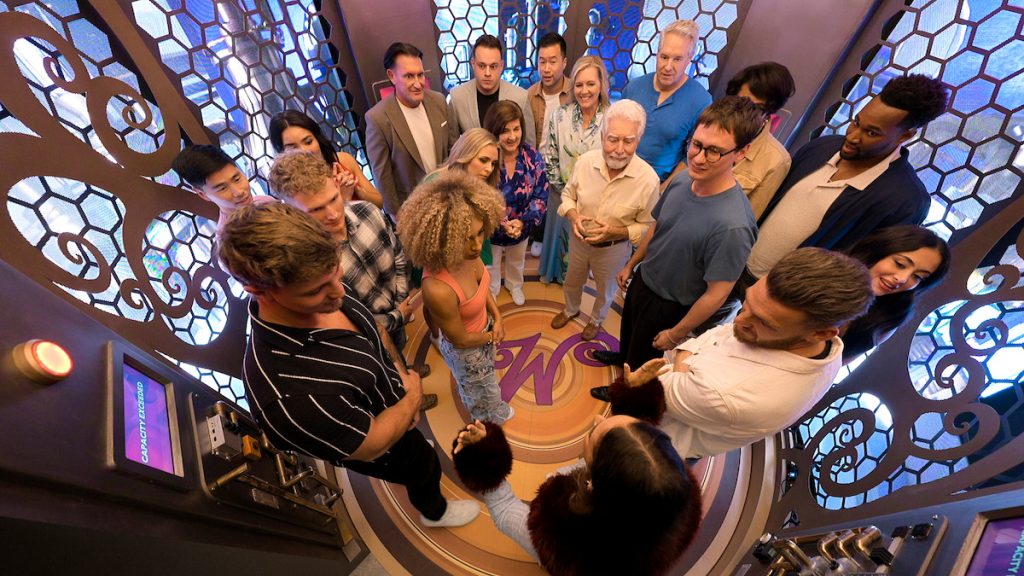
The Great Glass Elevator is one piece of Wonka magic that does rely on a little trickery, as the elevator itself does not actually travel up and down through the factory. Instead, lighting and special effects create the sensation of movement while contestants use it to travel between different areas, keeping the illusion of Wonka’s famously unpredictable Wonkavator alive.
For CultureCues, stepping inside Willy Wonka’s Chocolate Factory is one of those childhood fantasies that makes the whole idea very easy to sell to us. Netflix seems to have gone all in on actually building the world too, and details like edible flowers, lickable wallpaper, disappearing contestants and an enormous Chocolate Room make us want to see the factory almost as much as the competition itself. Seven episodes dropping today gives us plenty to get through before next week’s finale, although if we were actually inside and someone pointed us towards the chocolate river, there is a good chance we would forget about the $3 million altogether. Overall, we are more than ready to step into a world of pure imagination.
Episodes 1–7 of Wonka’s The Golden Ticket are streaming on Netflix now, with Episodes 8 and 9 arriving on Wednesday, 30 September.
More From CultureCues
Tempting Fortune 2026 Starts Tonight on Channel 4: Time, Cast and Episodes
Strictly Come Dancing 2026 Couples: Full Celebrity and Professional Pairings
When Does The Celebrity Traitors Series 2 Start? BBC Confirms Release Date and New Trailer

Nikki Murray is a UK-based writer, screenwriter and founder & editor of CultureCues, covering film, television, music and pop culture. Her work focuses on storytelling and the moments shaping modern entertainment.