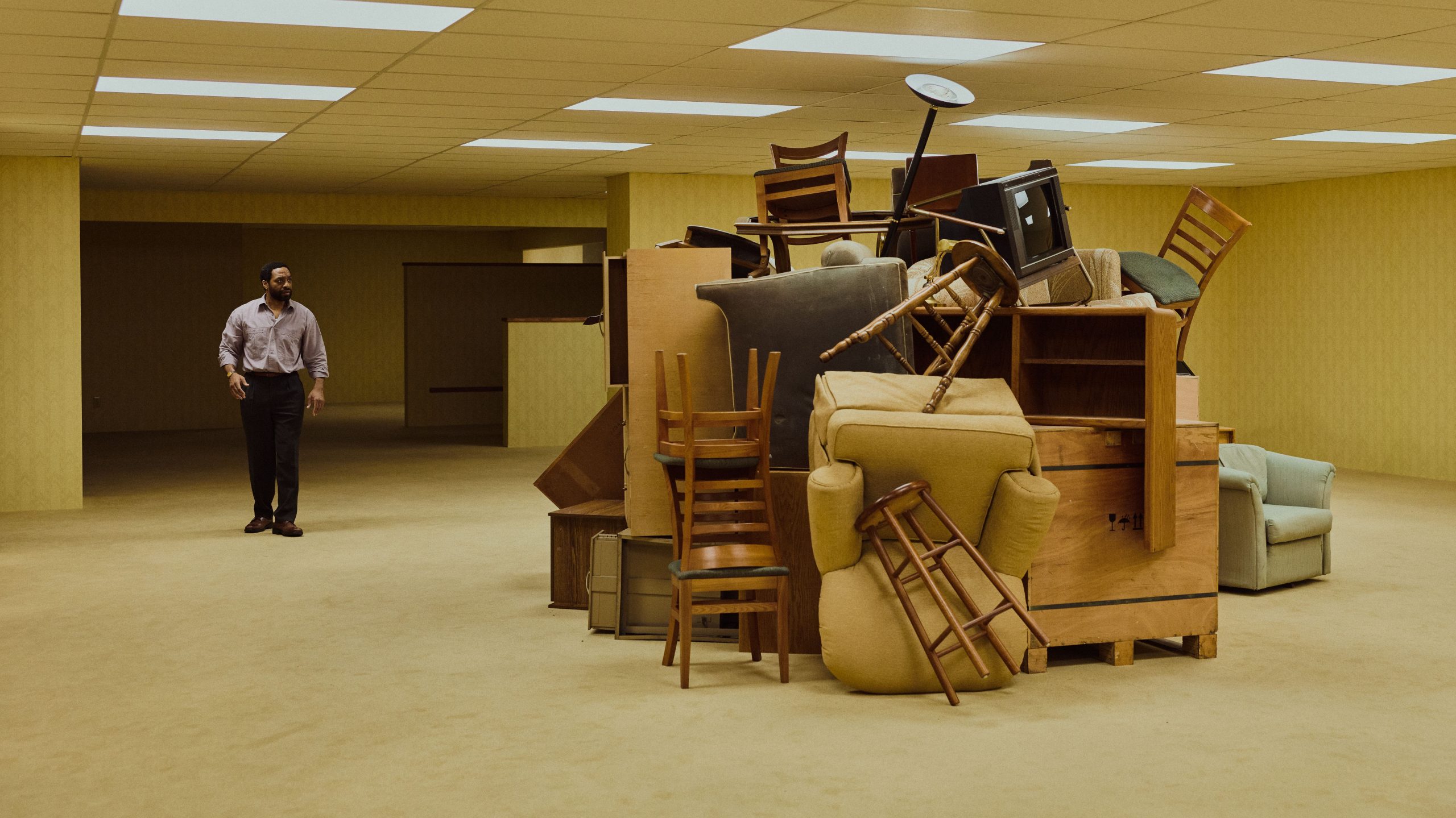
For years, the Backrooms existed as one of the internet’s strangest horror obsessions. A blurry photograph of an empty yellow room became the starting point for an entire fictional dimension, with endless corridors, buzzing fluorescent lights and the constant feeling that something might be waiting just out of sight. That single image inspired stories, games and a hugely popular YouTube series created by Kane Parsons, better known online as Kane Pixels. It has now made the jump to cinemas through A24’s Backrooms, starring Chiwetel Ejiofor and Renate Reinsve.
The film opened to a huge $118 million worldwide and gave A24 its biggest debut to date, bringing a piece of internet folklore to a wider audience. However, anyone discovering the Backrooms through the film may be wondering where the idea came from, whether it is based on a true story and how the different versions of its mythology fit together. The simple answer is that the Backrooms are fictional, but the original photograph is real. Everything that followed grew from an anonymous internet post, before thousands of creators began adding their own rooms, creatures and explanations.
What Are the Backrooms?
The Backrooms are usually described as an enormous dimension hidden outside normal reality. Its most recognisable area resembles an abandoned office building, filled with yellow wallpaper, damp-looking carpets and fluorescent lights that never stop humming.
There are no windows, clear exits or signs of normal life. Rooms connect to other rooms with no obvious pattern, creating a maze that may continue forever. A corridor can lead back to the place where it started, while doors and staircases may take travellers into completely different environments.
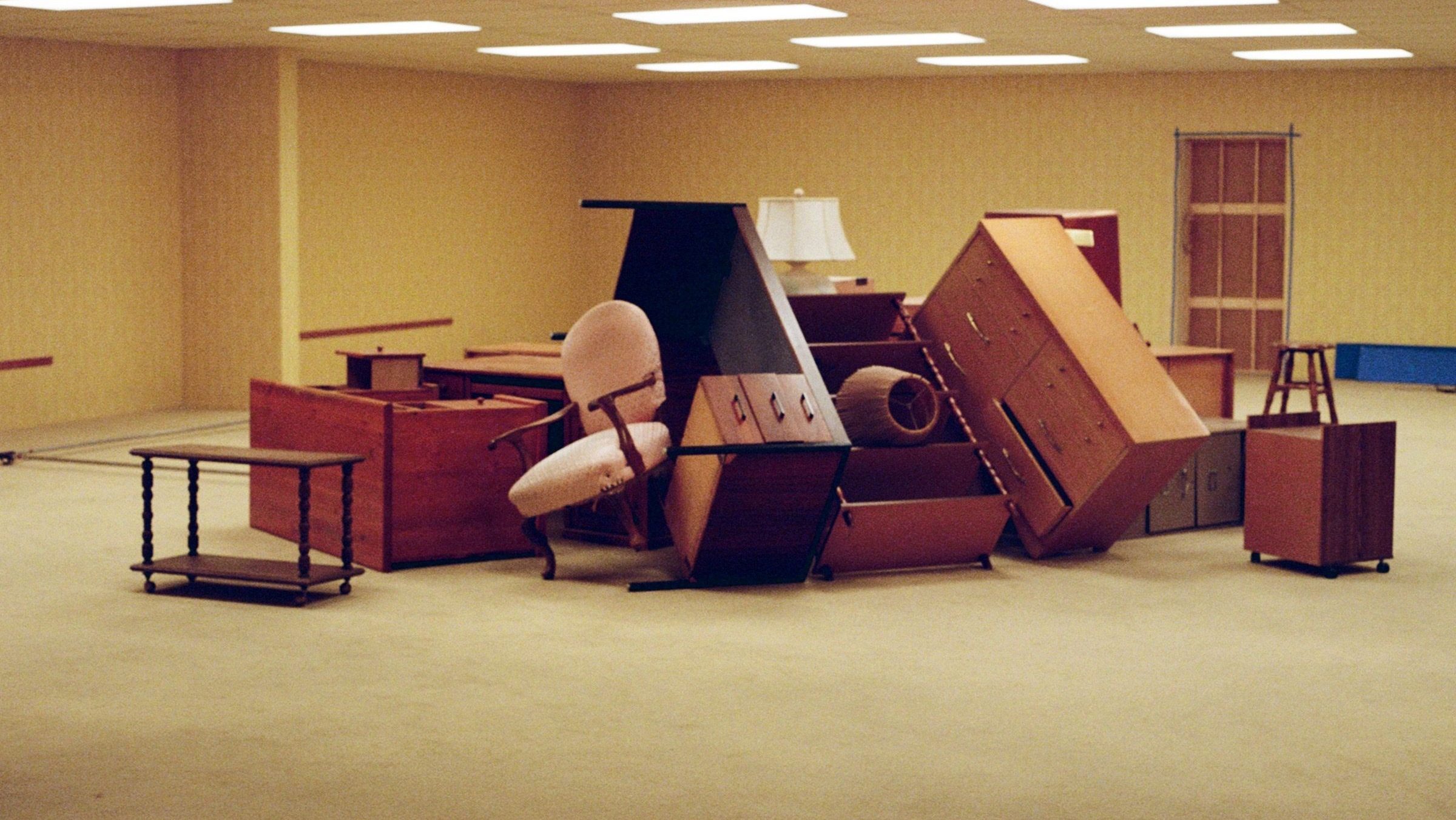
The original idea is frightening because very little is explained. The Backrooms are not presented as a haunted building that somebody constructed or a place with one clear purpose. They simply exist, sitting underneath or beside reality, ready to trap anyone unlucky enough to fall inside.
Later versions of the mythology have added different levels, organisations and hostile creatures. However, there is no single version of the Backrooms that every story must follow. It is a shared internet concept, which means writers, filmmakers and game developers have created their own interpretations.
Is Backrooms Based on a True Story?
No, Backrooms is not based on a true story. There is no evidence of an extradimensional maze hidden beneath shops or offices, and nobody has genuinely disappeared after glitching out of reality.
The image that started the legend is real, though. It shows an empty indoor space with pale yellow walls, fluorescent lighting and patterned carpet. The unusual angle and lack of any visible people, doors or furniture made the room feel strangely disconnected from the real world.
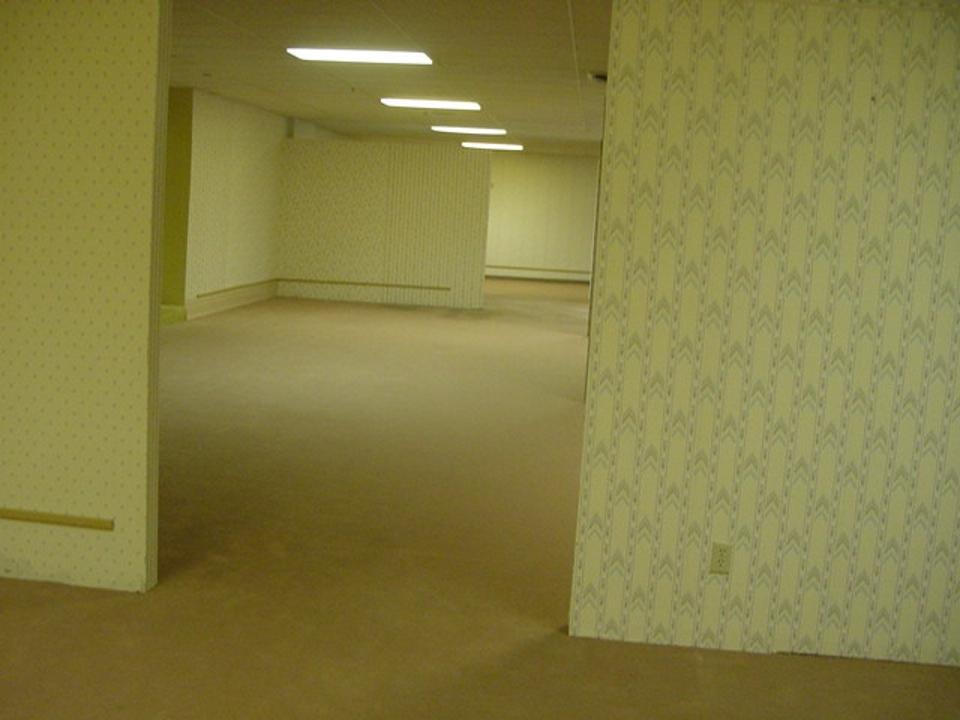
The photograph appeared on 4chan’s paranormal board in May 2019 as part of a thread asking users to share images that felt unsettling or slightly wrong. Another anonymous user responded with a short story describing the Backrooms as hundreds of millions of square miles of empty rooms that people could enter by accidentally slipping out of reality. That brief description also warned that anyone hearing movement nearby had probably already been noticed by whatever was making it.
With one photograph and a few sentences, the basic Backrooms legend was born.
Where Was the Original Backrooms Photo Taken?
For several years, nobody knew where the original photograph had come from. Internet users eventually traced it to a building in Oshkosh, Wisconsin, where renovation photographs had been uploaded online in 2003.
The space had previously been occupied by a furniture store before becoming part of a HobbyTown shop. The photograph was taken during renovation work, when partitions and sections of the building were being rearranged. In reality, the room was not an entrance to another dimension. It was simply an unfinished commercial space photographed at an unusual angle. Still, the ordinary explanation is part of what makes the image so effective. It looks familiar enough to recognise, but empty and disconnected enough to feel wrong.
There is also an interesting link to the film, which begins when a strange doorway appears beneath Clark’s furniture showroom. The real photograph and the fictional story both turn an ordinary commercial space into the entrance to somewhere impossible.
What Does “Noclipping” Into the Backrooms Mean?
In Backrooms lore, people normally enter the dimension by “noclipping” out of reality. The word comes from video games, where a glitch can allow a player to pass through a wall, floor or another solid object.
Applied to the Backrooms, noclipping means accidentally falling through a weak point in the real world. Someone might lean against the wrong wall, step onto an unstable patch of floor or suddenly drop through a space that should be solid. There is rarely any warning. One moment the person is standing in the real world, and the next they are alone beneath fluorescent lights with no clear route back.
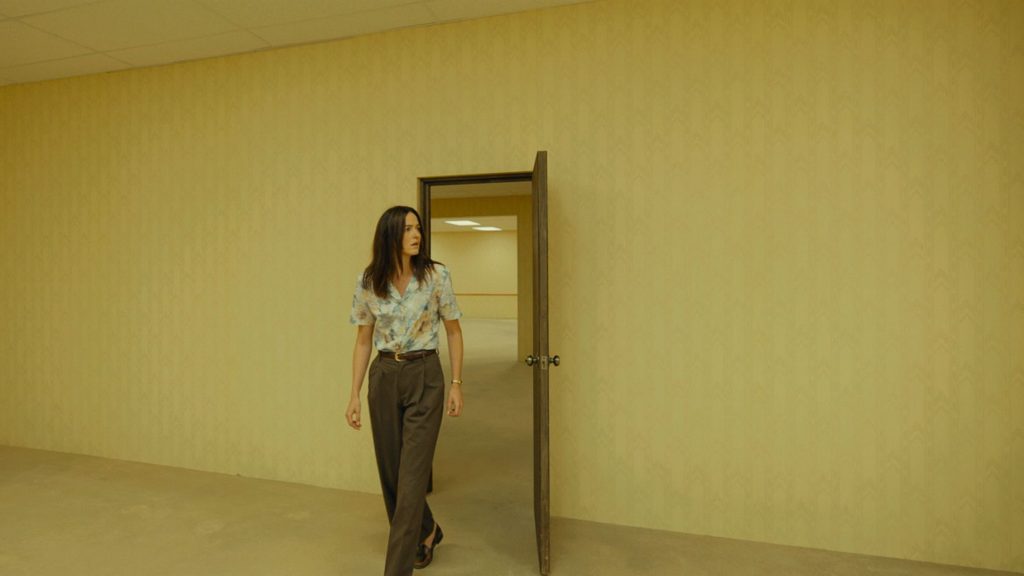
Kane Parsons’ version introduces a more scientific route into the dimension. His YouTube series follows the fictional Async Research Institute, which uses experimental technology to open a controlled entrance into a place it calls the Complex. Async initially sees the discovery as an opportunity, but its researchers soon realise they do not understand the space they have opened.
Why Are the Backrooms So Unsettling?
The Backrooms are closely connected to the idea of liminal spaces. These are places designed to move people from one location or stage to another, including corridors, waiting rooms and hotel hallways. They usually feel ordinary when they are busy, but can become unsettling when completely empty.
An abandoned shopping centre may still have its lights on, while an empty office can look as though everyone disappeared moments earlier. Nothing visibly frightening needs to happen because the discomfort comes from the absence of people and the feeling that the space is no longer serving its intended purpose.
Parsons has linked that feeling to incomplete memories of childhood, when a person may remember the colour or texture of a place without knowing exactly where it was. The Backrooms resemble those fragments of memory, familiar enough to spark recognition but too incomplete to provide any comfort.
That combination has allowed the concept to spread well beyond its original yellow rooms. Empty swimming pools, deserted play areas and silent hotels have all become part of the wider Backrooms aesthetic, turning normally harmless locations into spaces that feel endless.
Are There Monsters in the Backrooms?
The original 2019 post suggested that something might be wandering through the rooms, but it did not explain what it was. Most of the detailed creatures now associated with the Backrooms were added later by online communities. These creatures are commonly known as entities. Different versions include shadowy figures, distorted people and creatures that hunt anyone trapped inside. Fan-created wikis have also developed hundreds of levels, each with its own appearance and dangers.
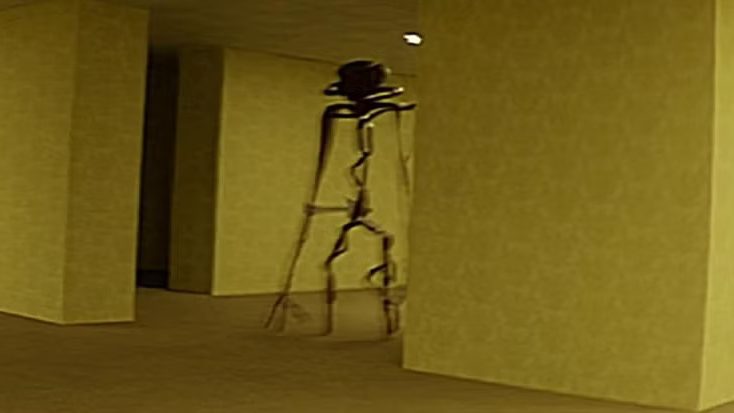
It is worth remembering that these additions do not form one official story. Some interpretations treat the Backrooms as an empty psychological nightmare, while others turn it into a large fictional universe with mapped locations and survival rules. Parsons created his own mythology for the YouTube series, including creatures that appear to have been shaped or produced by the Complex. The 2026 film continues parts of that interpretation while introducing a separate group of characters.
Who Is Kane Parsons?
Kane Parsons began uploading his Backrooms series to YouTube in January 2022, when he was still a teenager. His first short, The Backrooms (Found Footage), follows a filmmaker who accidentally falls into the Complex and attempts to find a way out while recording everything on camera.
The video recreated the yellow rooms through digital effects and quickly went viral. Parsons then expanded the story through further found-footage recordings, research videos and internal Async material.
Rather than telling everything in a straightforward order, the series moves between different years and pieces of recovered evidence. Small details introduced in one video can become important much later, allowing viewers to piece together the history of Async and its experiments.
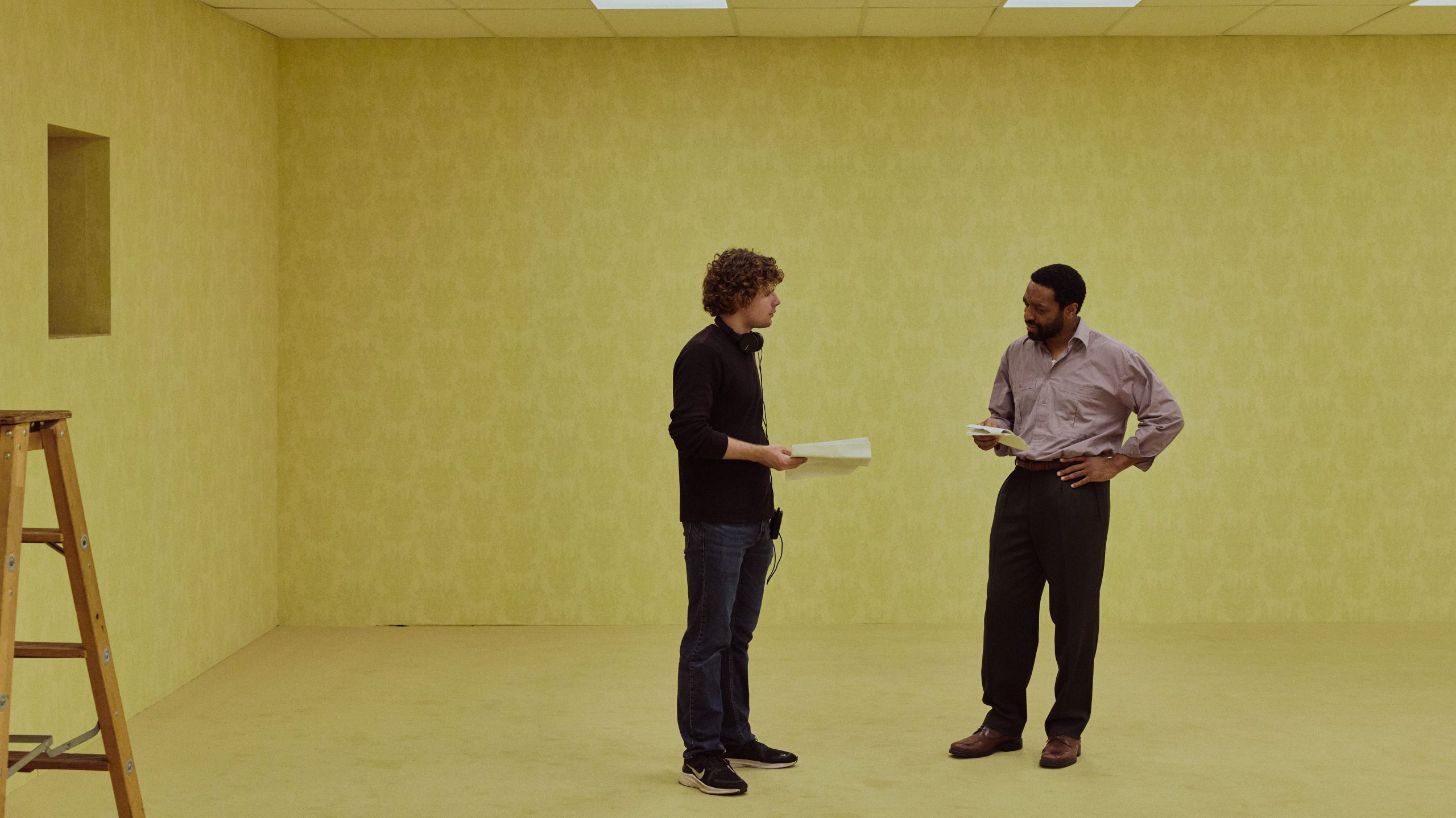
The success of the series led to Parsons directing the A24 feature while still in his early twenties. For the film, the digital spaces he had created in Blender were developed into a large physical set, allowing the cast to walk through environments that had previously existed mainly on his computer.
Do You Need to Watch the YouTube Series Before the Film?
No. The film is designed to introduce the Backrooms to viewers who have never watched Parsons’ videos or followed the wider internet mythology.
Chiwetel Ejiofor’s Clark discovers the space for the first time, allowing audiences to learn about it alongside him. The film includes recognisable elements from the YouTube series, particularly Async and its attempts to study the dimension, but it follows a new central story.
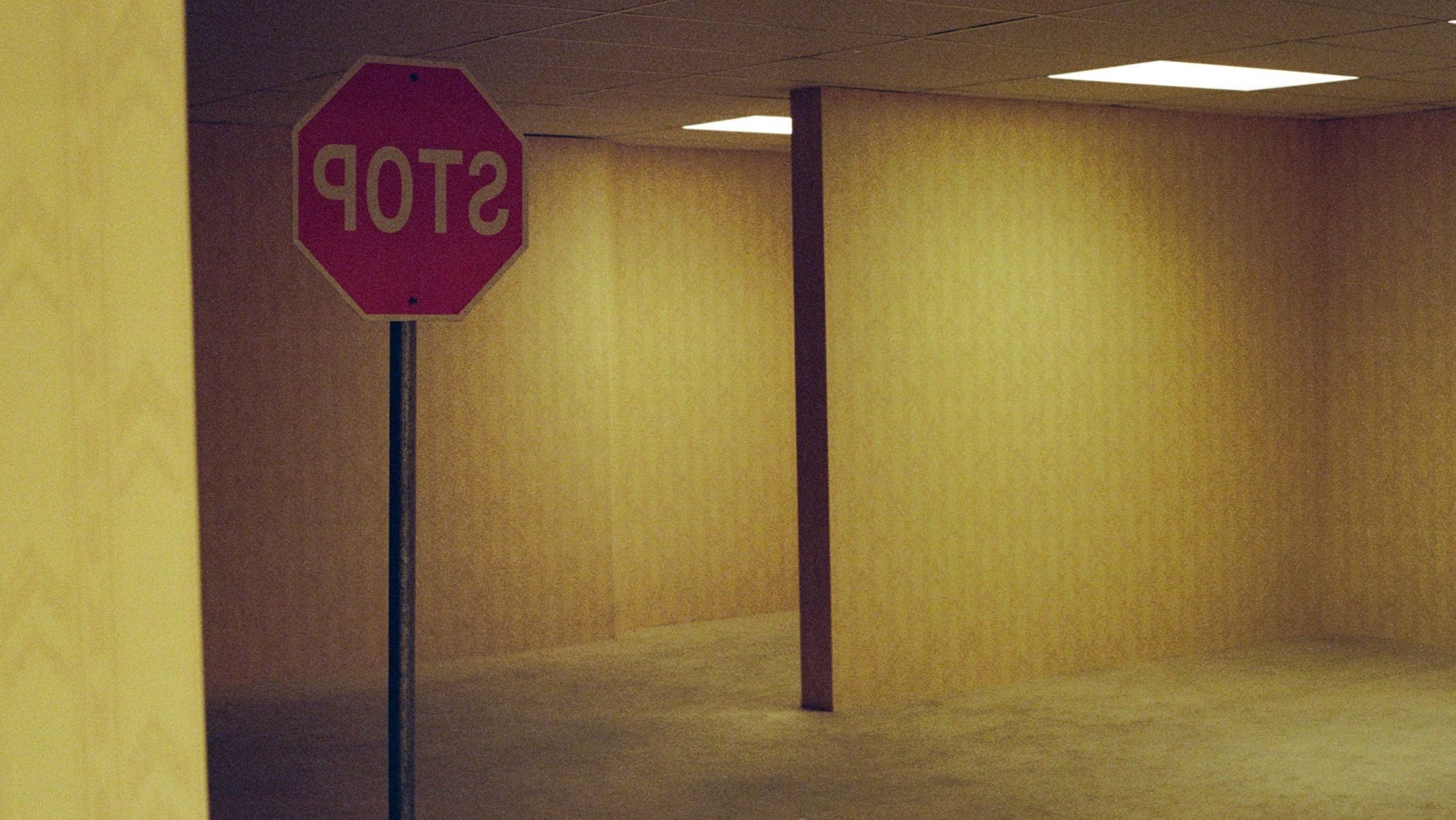
The web series gives more background on Async and the Complex, but you do not need it to follow Clark and Mary’s story. It also makes a few final references easier to spot.
What Is the Backrooms Film About?
The film follows Clark, a struggling furniture store owner whose personal life and business are both falling apart. He is isolated, going through a divorce and sleeping among the showroom displays when he discovers a section of wall leading into an impossible maze beneath the store.
Clark becomes increasingly drawn to the space and begins mapping its rooms. His therapist, Dr Mary Kline, played by Renate Reinsve, tries to understand why he is becoming so attached to a place that should terrify him. Clark eventually takes two employees into the Backrooms to help him explore further, but the journey leaves them trapped in a more dangerous area. Mary later enters the dimension while searching for Clark, forcing her to confront both the creatures inside and memories she has spent years trying to control.
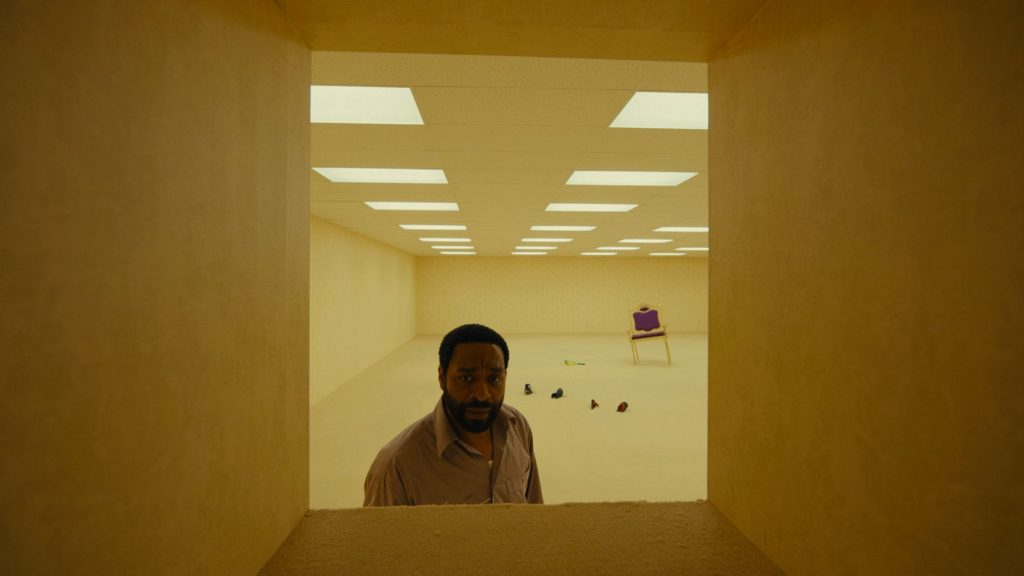
The film keeps the basic fear of the original image, but it also uses the Backrooms to explore how people carry regret and trauma. The rooms do not simply trap Clark and Mary physically. They appear to absorb parts of them, rebuilding familiar places and people in ways that are almost, but never completely, correct.
Warning: Major spoilers for Backrooms, including its ending and character deaths!
What Do the Backrooms Actually Mean in the Film? – Ending Explained
The film does not provide one final answer, but its clearest explanation is that the Backrooms operate like a physical collection of memory. The dimension absorbs places, objects and people from the real world before recreating them imperfectly. Async researcher Phil describes the space as an echo chamber containing broken copies of different moments. A location can appear as it existed years ago and then appear again in another form, meaning the Backrooms do not organise time or memory in the same way as the real world.
Parsons has explained that his version of the Backrooms is closely linked to the way human memory works. People do not remember every detail perfectly. Instead, the mind keeps fragments and rebuilds the rest, sometimes placing familiar elements in the wrong context.
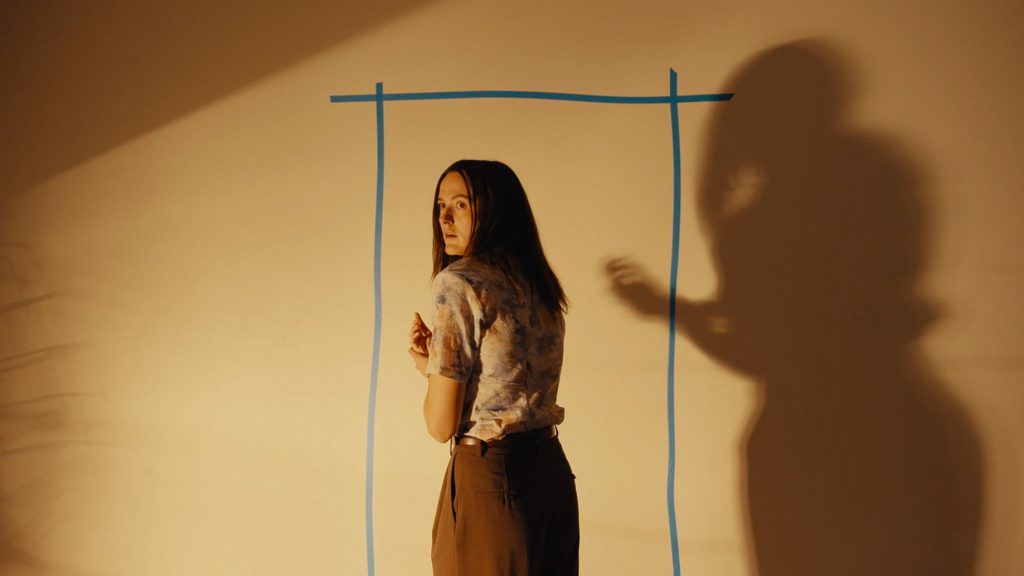
The Backrooms appear to do the same thing on a larger scale. They remember the world, but not accurately. This is why the spaces look recognisable while their dimensions and layouts make no sense. One way to read the film is that the Backrooms act like the universe’s subconscious, holding onto traces of everything that has passed through them. Nothing disappears completely, but anything that returns may be incomplete.
What Are the Still Life Entities?
The human-shaped figures found inside the Backrooms are known as Still Lifes. They resemble people from a distance, but their bodies and faces contain obvious mistakes. The film suggests that these entities are failed copies created from the dimension’s memories of human beings. It understands the general shape of a person but cannot recreate the smaller details correctly.
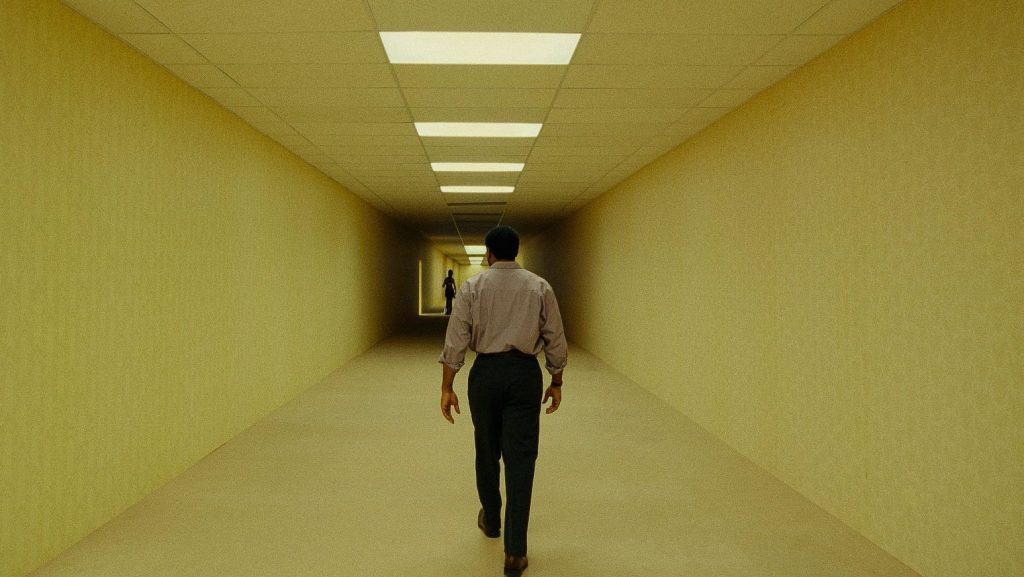
This explains why the figures look like mannequins or unfinished models. They are not necessarily ghosts or demons in the usual sense. They are the Backrooms trying to reproduce life from incomplete information.
By the ending, it becomes clear that the space does not only copy physical locations. It also absorbs the emotional memories of anyone who enters, using those experiences to create new rooms and entities.
What Happens to Clark?
Clark begins to feel more comfortable inside the Backrooms than he does in his normal life. The real world has left him feeling unsuccessful and disconnected, while the maze gives him a purpose. He can explore it, map it and convince himself that he understands it.
When Mary finds him, Clark has created a distorted version of domestic life surrounded by Still Life figures. He wants her to accept that the Backrooms are where he belongs, but she forces him to confront the anger he has directed towards his former wife and everyone else around him. The giant pirate version of Clark is a physical form of that anger. It takes the appearance of the character Clark used in adverts for his furniture store, but twists it into a larger creature. Pirate Clark can be read as the part of Clark that refuses to take responsibility for his life. Just as he begins to acknowledge the truth, the creature attacks and kills him.
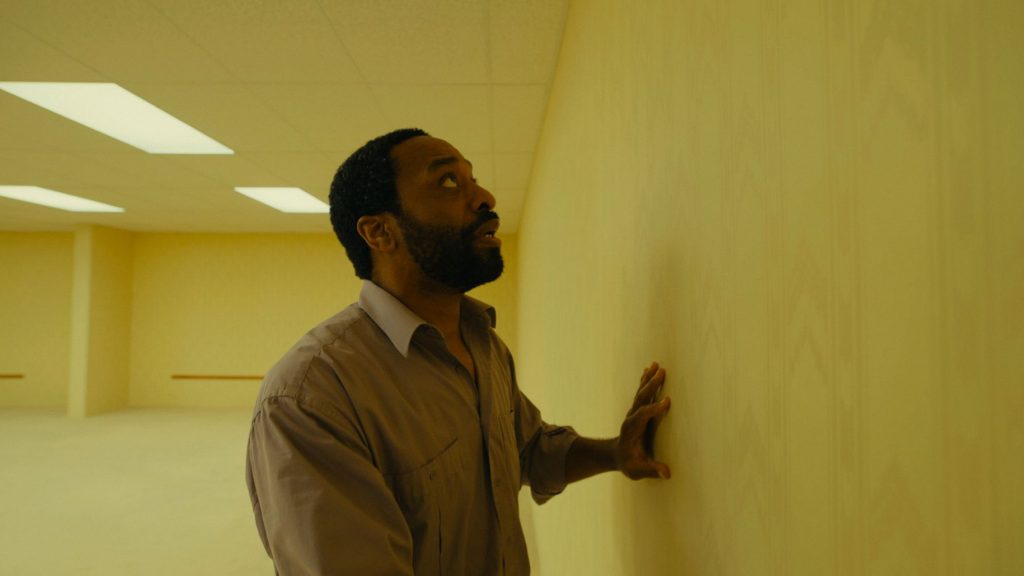
The Backrooms have taken his resentment and turned it into something capable of destroying him. Clark’s sudden deterioration also leaves room for another possibility. The film never clearly establishes how long he experiences inside the dimension, and the Backrooms do not appear to follow ordinary rules of space or time. Clark may have spent much longer inside the Backrooms than the film makes clear, giving the maze more time to affect his mind. The film leaves this open to interpretation.
Why Does Mary Use the Piece of Pavement?
Mary carries a piece of pavement bearing part of her mother’s handprint. It comes from her childhood home and represents a period when her mother’s mental health controlled both of their lives.
The object connects Mary to painful memories she has never completely resolved. During the final chase, she uses it as a weapon against Pirate Clark, turning a physical reminder of her own trauma into the thing that helps her survive somebody else’s. Mary appears more emotionally controlled than Clark, but the Backrooms have already begun absorbing her memories. Her childhood home starts appearing within the maze, showing that the dimension is learning her in the same way it learned Clark.
What Is Async?
Async is the research organisation introduced in Parsons’ YouTube series. In that version of the story, the company develops technology capable of opening a doorway into the Backrooms during the late 1980s. The researchers initially believe the Complex could provide huge amounts of usable space. As their investigation continues, however, people disappear and strange lifeforms are discovered inside.
In the film, Phil explains that Async previously worked with MRI technology before discovering the dimension. That background creates a direct link between the company’s original work mapping what is inside the human body and its attempt to map a place that behaves like a vast, unstable memory.
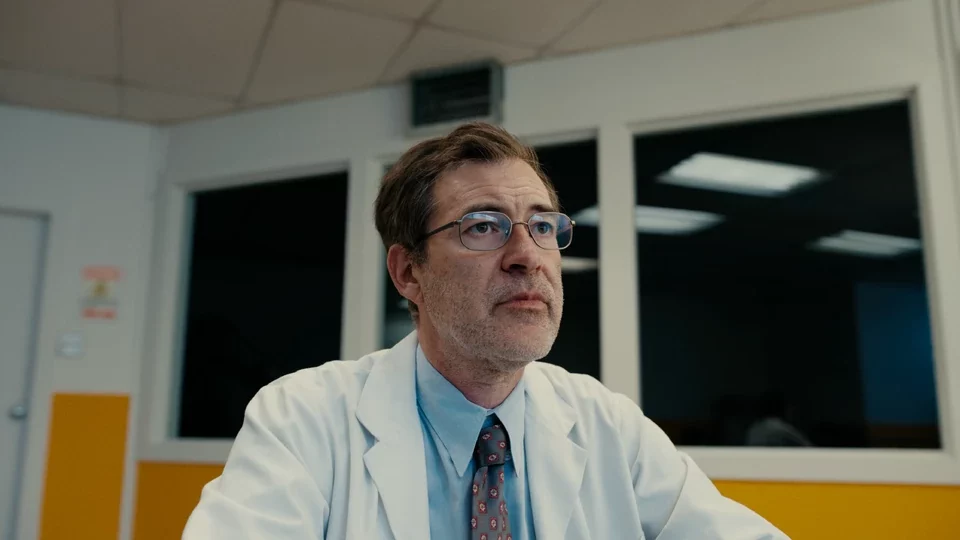
Async has built a controlled entrance into the Backrooms and installed equipment throughout parts of the maze. However, the ending makes it clear that the organisation still does not properly understand what it has found. Phil can explain parts of the space to Mary, but he cannot promise what will happen to her once their conversation ends. Async may be studying the Backrooms, but it is also hiding their existence and treating anyone who enters as part of its research.
What Does the Final Mary Entity Mean?
After Mary is taken into Async’s facility, the film moves back through the layers of the Backrooms and reveals another version of her sitting inside a copy of the room. The figure has Mary’s general appearance, but its face and hands are wrong. It is another Still Life, showing that the dimension has already begun recreating her.
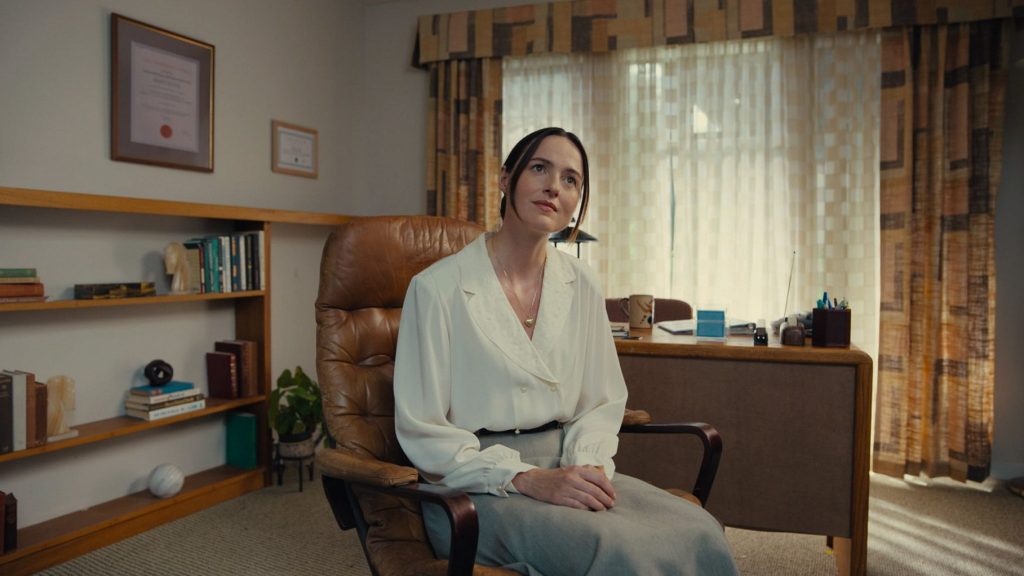
This does not necessarily mean the real Mary has died or been replaced. The ending instead suggests that the Backrooms keep a version of everyone who enters. They absorb memories and physical details before rebuilding them elsewhere. Mary may have escaped the maze, but part of her remains inside it. The dimension now holds her childhood home, her trauma and a distorted copy of her body. Whatever happens to the real Mary next, the Backrooms have remembered her.
Will There Be a Backrooms Sequel?
The ending leaves the story open for more. Async still has access to the Complex, Mary’s future remains uncertain and the new entity shows the Backrooms are still changing. Parsons has said the film was planned as the first part of a larger story, and a follow-up is now in early development.
The film’s box-office success also makes a sequel appear increasingly likely. What began as an anonymous image has already grown into one of the biggest horror releases of 2026, bringing internet-born mythology into mainstream cinema without completely explaining away its mystery.
That remains the key to the Backrooms. The yellow rooms are unsettling because they feel as though they have always existed somewhere in the back of our minds. The film gives them more history and a clearer link to memory, but still leaves enough unanswered to keep viewers wondering what waits beyond the next wall.
For CultureCues, Backrooms is one of the most interesting horror films of the year, taking a piece of internet folklore and turning it into something genuinely cinematic without losing the unease that made the original idea so effective. We loved the film’s atmosphere, ambition and refusal to explain everything, and we are already looking forward to seeing where Parsons takes the story next.

Nikki Murray is a UK-based writer, screenwriter and founder & editor of CultureCues, covering film, television, music and pop culture. Her work focuses on storytelling and the moments shaping modern entertainment.