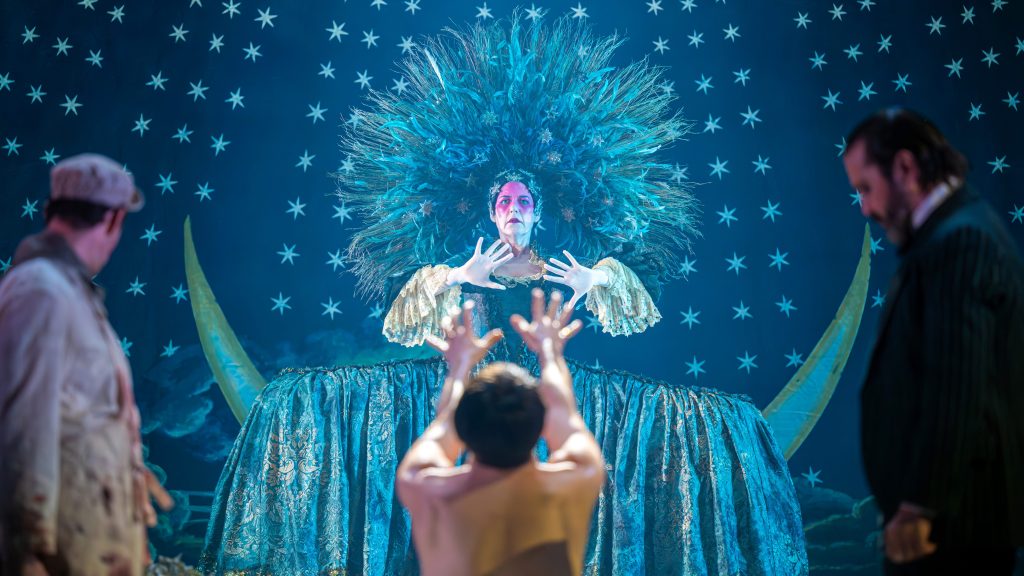
Scottish Opera brings Puccini’s final opera, Turandot, to Edinburgh’s Festival Theatre in a magnificent production filled with Gothic grandeur, breathtaking music and some truly outstanding performances. Directed by Sir David McVicar, this ambitious co-production with Irish National Opera transforms the classic tale into a dark, haunting world of decaying splendour, with elaborate costumes, striking sets and a cast whose extraordinary voices bring every moment to life. It’s a visually stunning production, but the real magic comes from the music and the emotion behind it.
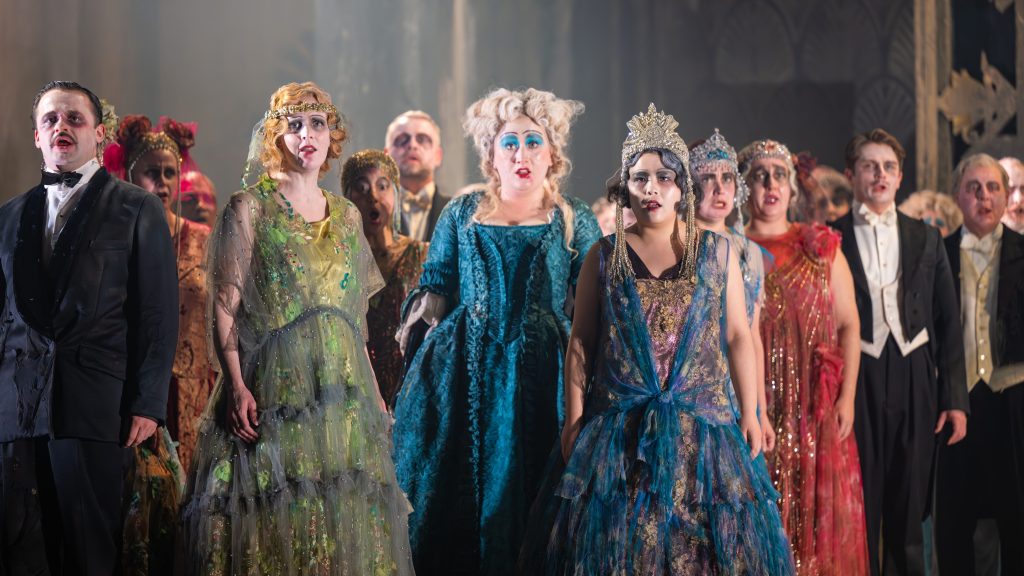
Marking the centenary of Turandot, McVicar’s production also makes history by presenting Franco Alfano’s original, full-length completion of Puccini’s unfinished opera, performed professionally in the UK for the first time. Puccini died before completing the work, leaving behind an ending that has divided audiences and critics for generations. Here, that conclusion is given room to unfold in a production that embraces the darker side of the story while exploring the complicated relationship between love, fear and revenge.
At the centre of the story is Princess Turandot, a woman haunted by the suffering of an ancestor and determined never to surrender herself to a man. Any suitor wishing to marry her must answer three riddles correctly, with failure resulting in execution. When the mysterious Prince Calaf catches sight of her, he becomes determined to win her heart, regardless of the danger. It’s an extraordinary premise, filled with cruelty, obsession and sacrifice, and McVicar’s direction gives the characters’ emotional struggles a real sense of importance, even if Turandot’s eventual change of heart remains somewhat difficult to believe.

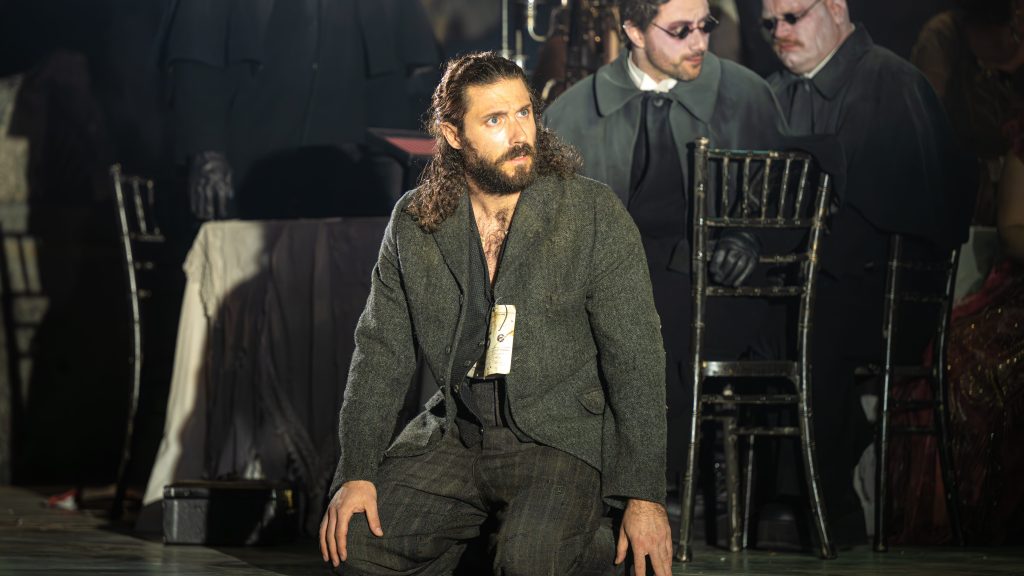
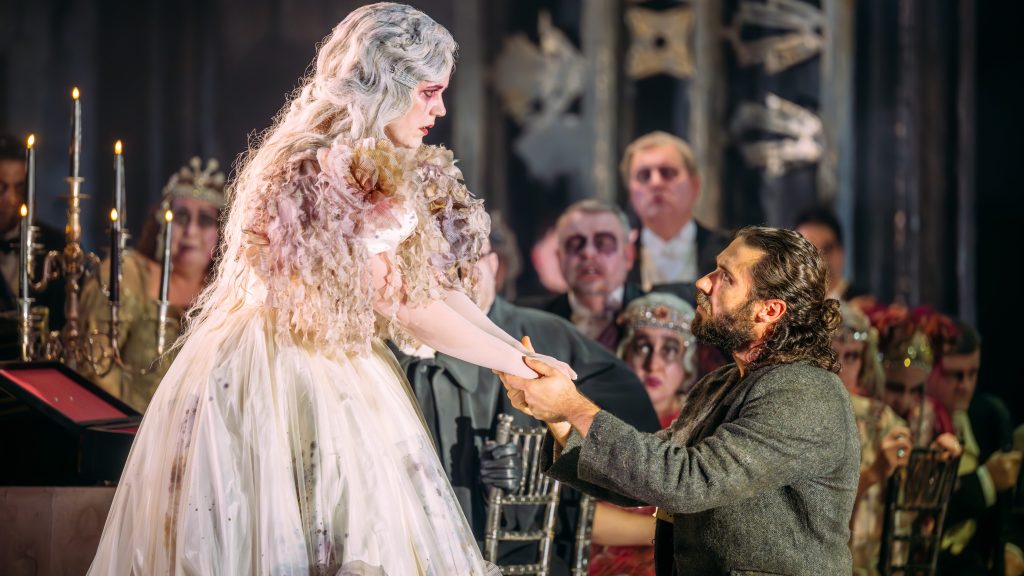
Visually, the production is exceptional. Charles Edwards’ magnificent set evokes a crumbling world of faded luxury, with Gothic architecture, cobwebs and an eerie atmosphere that makes the imperial court feel almost haunted. Doey Lüthi’s extravagant costumes are equally impressive, especially Turandot’s elaborate gowns and headpieces, while Ben Pickersgill’s dramatic lighting adds to the sense of unease. There’s an eerie atmosphere throughout the entire setting, from the ghostly figures to the strange, almost grotesque behaviour of the courtiers. The attention to detail is remarkable, and the darker aesthetic works beautifully with the tragic nature of the story.
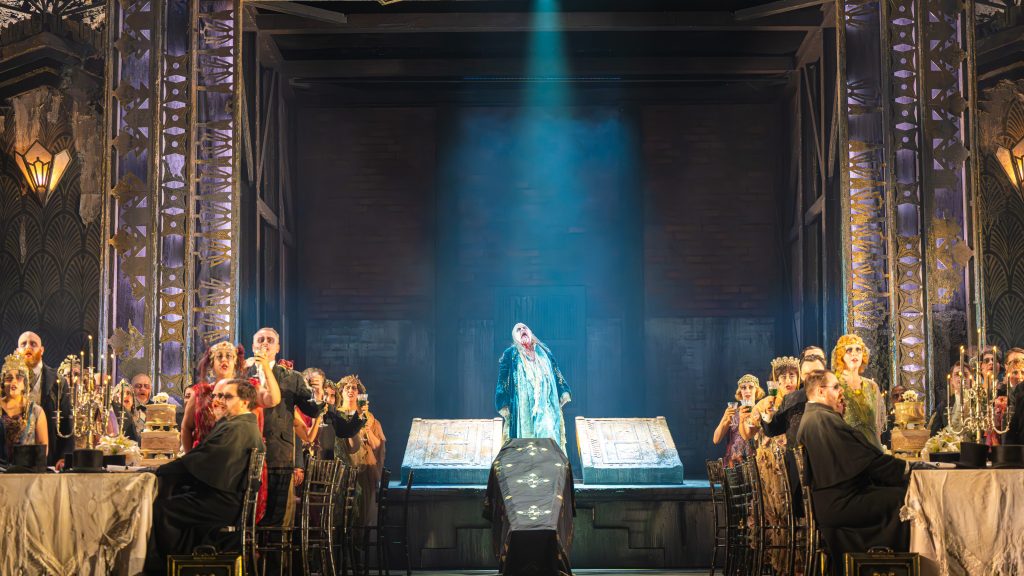
Trine Møller is captivating as Turandot, delivering a hauntingly beautiful performance that combines an extraordinary vocal range with an intimidating stage presence. Her voice is incredibly powerful, particularly during the demanding aria ‘In questa reggia’, and she brings a convincing vulnerability to a character who could so easily have been portrayed as simply cruel. The presence of her ancestor’s ghost, played by Kirsty Durie, adds another disturbing element to the story, offering a glimpse into the trauma that continues to shape her decisions.
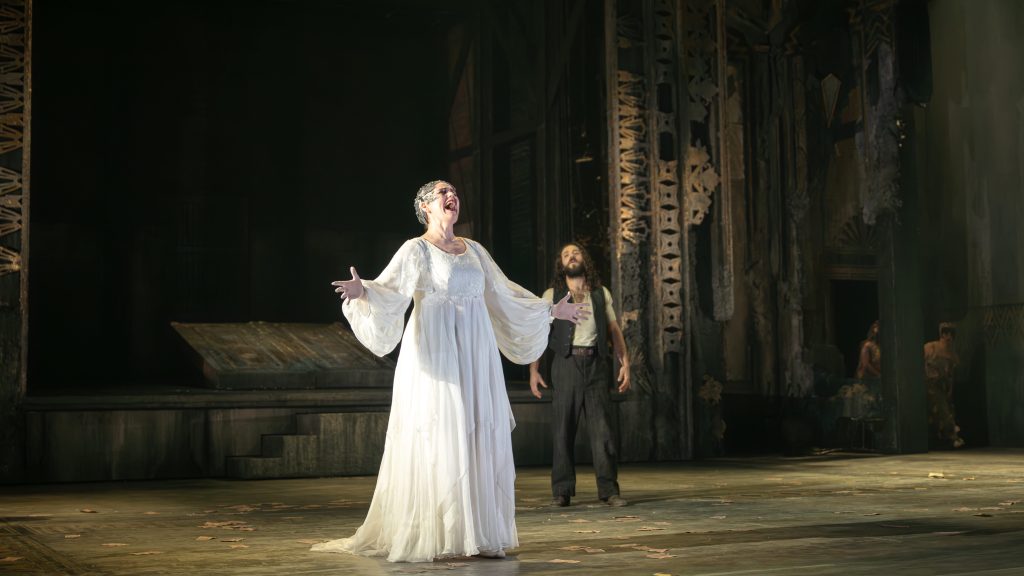
Opposite her, Victor Starsky is phenomenal as Prince Calaf. His commanding performance and rich, powerful tenor make him a compelling presence throughout, and his rendition of ‘Nessun dorma’ is undoubtedly one of the evening’s greatest moments. Hearing such an iconic piece of music performed live, with the full force of the orchestra behind it, was an incredible experience. It’s a moment that really does live up to expectations, with Starsky delivering every note with remarkable confidence and emotion.
Another standout is Hye-Youn Lee as Liù, whose beautiful, expressive soprano brings enormous warmth and heartbreak to the production. Her character’s devotion and eventual sacrifice provide some of the opera’s most moving scenes, and Lee is incredible throughout. She received one of the loudest cheers during the curtain call, and deservedly so.
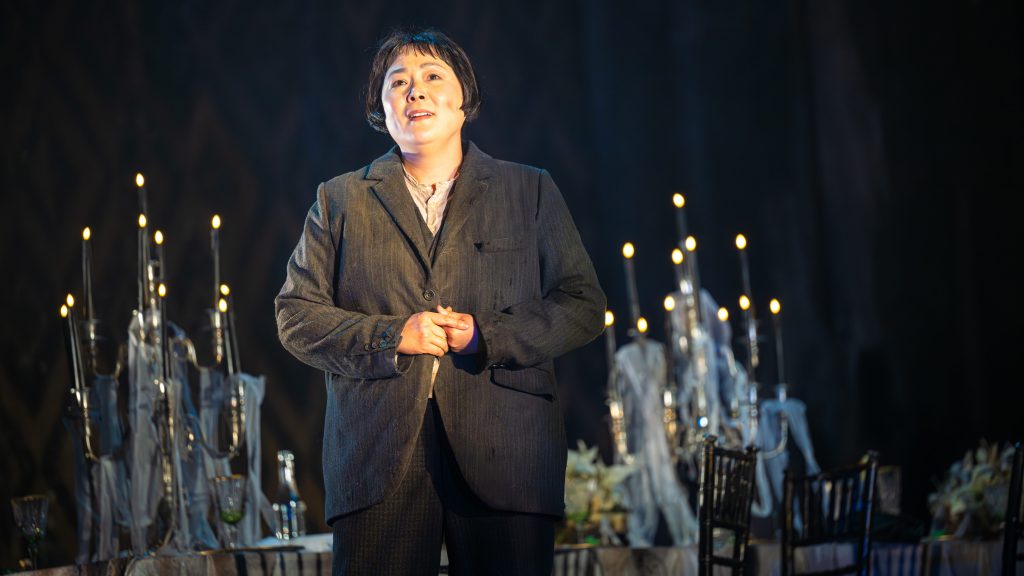
Insung Sim also impresses as Timur, Calaf’s father, bringing tenderness and dignity to the role, while Josef Jeongmeen Ahn, Aled Hall and Luvo Maranti are brilliant as the three ministers, Ping, Pang and Pong. Their entertaining, old-fashioned physical comedy provides some welcome humour, something I hadn’t quite expected from an otherwise dark and heartbreaking opera. It’s quite a contrast to the tragedy unfolding around them, but it works incredibly well, with the trio bringing plenty of personality and funny moments to the production.

Under Stuart Stratford’s direction, The Orchestra of Scottish Opera is excellent, bringing Puccini’s dramatic score to life throughout the theatre. The music moves beautifully between quieter, emotional passages and powerful orchestral moments, with the percussion and brass adding to the atmosphere during the darker scenes. The chorus and children’s chorus are equally impressive, adding to the scale of the production and creating some chilling moments.
With a running time of approximately two hours and fifty minutes, including two intervals, I initially wondered whether Turandot might feel a little lengthy. Instead, I found myself completely immersed in what was happening on stage, and the evening seemed to pass surprisingly quickly. The opera is performed in Italian, with English surtitles displayed above the stage, which I found myself relying on less and less as the performance continued. By around the halfway point, I was barely glancing at them. The emotion in the singers’ voices, their expressions and the music itself communicated so much that I could follow what the characters were feeling without needing to understand every word. For me, that says everything about the quality of the performances.
And judging by the reaction at the end, the rest of the audience seemed just as impressed. The applause and cheering continued for what must have been five to ten minutes, with the cast receiving an incredibly enthusiastic reception. I lost track of how long we were clapping, although my aching arms certainly noticed! It was a wonderful show of appreciation for the entire cast, and every performer thoroughly deserved it.
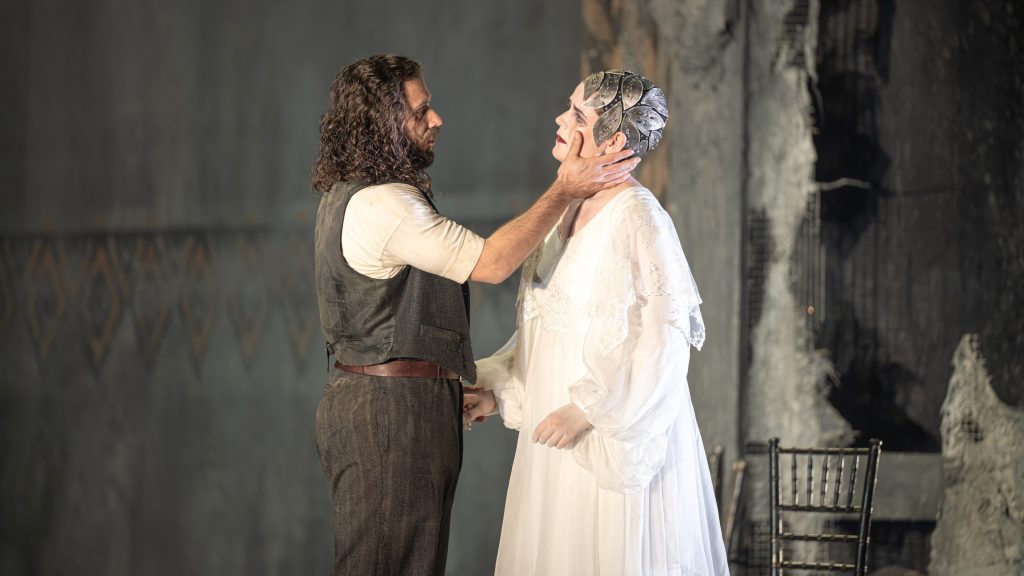
Scottish Opera’s Turandot is a fantastic night at the theatre and a reminder of just how powerful live opera can be. The story has its flaws, especially when it comes to the sudden resolution of its central romance, but they do little to diminish the overall experience. I loved the dark Gothic setting, the impressive staging and, above all, the incredible talent on display. From the beauty of Liù’s most emotional moments to the thrill of hearing ‘Nessun dorma’ live, there was so much to admire. I went in expecting a great production, but I hadn’t anticipated just how much it would draw me in. A beautiful, chilling and memorable evening that I would highly recommend.
CultureCues Rating: ★★★★☆ (4/5)
CultureCues attended this performance courtesy of a complimentary press ticket provided by Scottish Opera. All opinions expressed are entirely our own.

Nikki Murray is a UK-based writer, screenwriter and founder & editor of CultureCues, covering film, television, music and pop culture. Her work focuses on storytelling and the moments shaping modern entertainment.