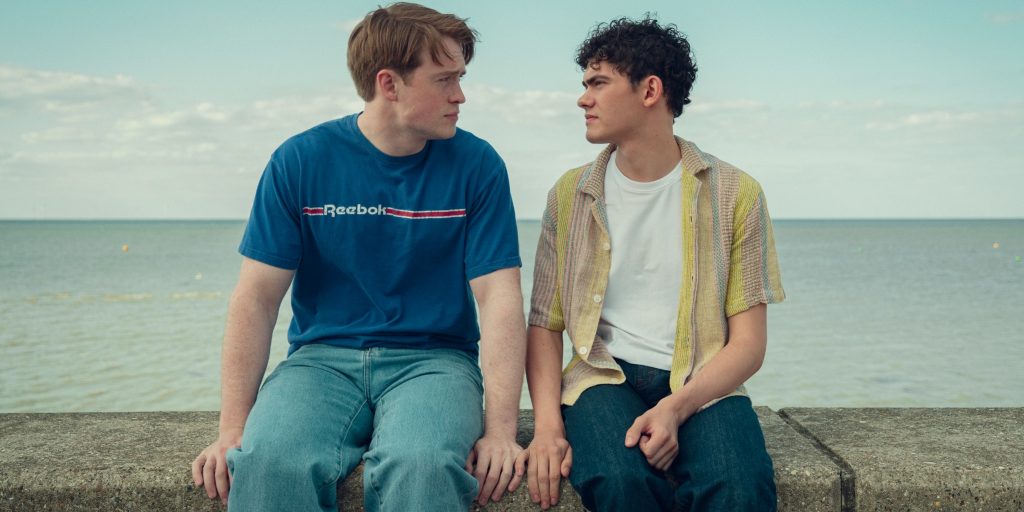
Major spoilers for Heartstopper Forever follow! I am a huge Heartstopper fan, from Alice Oseman’s graphic novels to all three seasons of the Netflix series, so complete objectivity was never really on the cards for this review. Part of what makes the story so personal is the way it gives young queer people a love story filled with hope, while making room for so many different LGBTQ+ identities. Heartstopper Forever is a heartfelt and emotional goodbye, giving Nick Nelson (Kit Connor) and Charlie Spring (Joe Locke) a satisfying conclusion, even if its shorter format leaves too little room for the wider group.
Of course, I would have loved a full fourth season. More time with them would always have been welcome, but the friends around them deserved proper final stories too. A feature film was never going to offer the same space as eight episodes, and that is the one real disappointment in an otherwise wonderful finale.
Still, if the choice was a film or no ending at all, I am so glad we got Heartstopper Forever. Written by Oseman and directed by Wash Westmoreland, the final chapter remains centred on the love between Nick and Charlie, which has meant so much to viewers throughout the series. It broke my heart, but by the end I was very happy with where Oseman had left them.
They Were Literally Babies
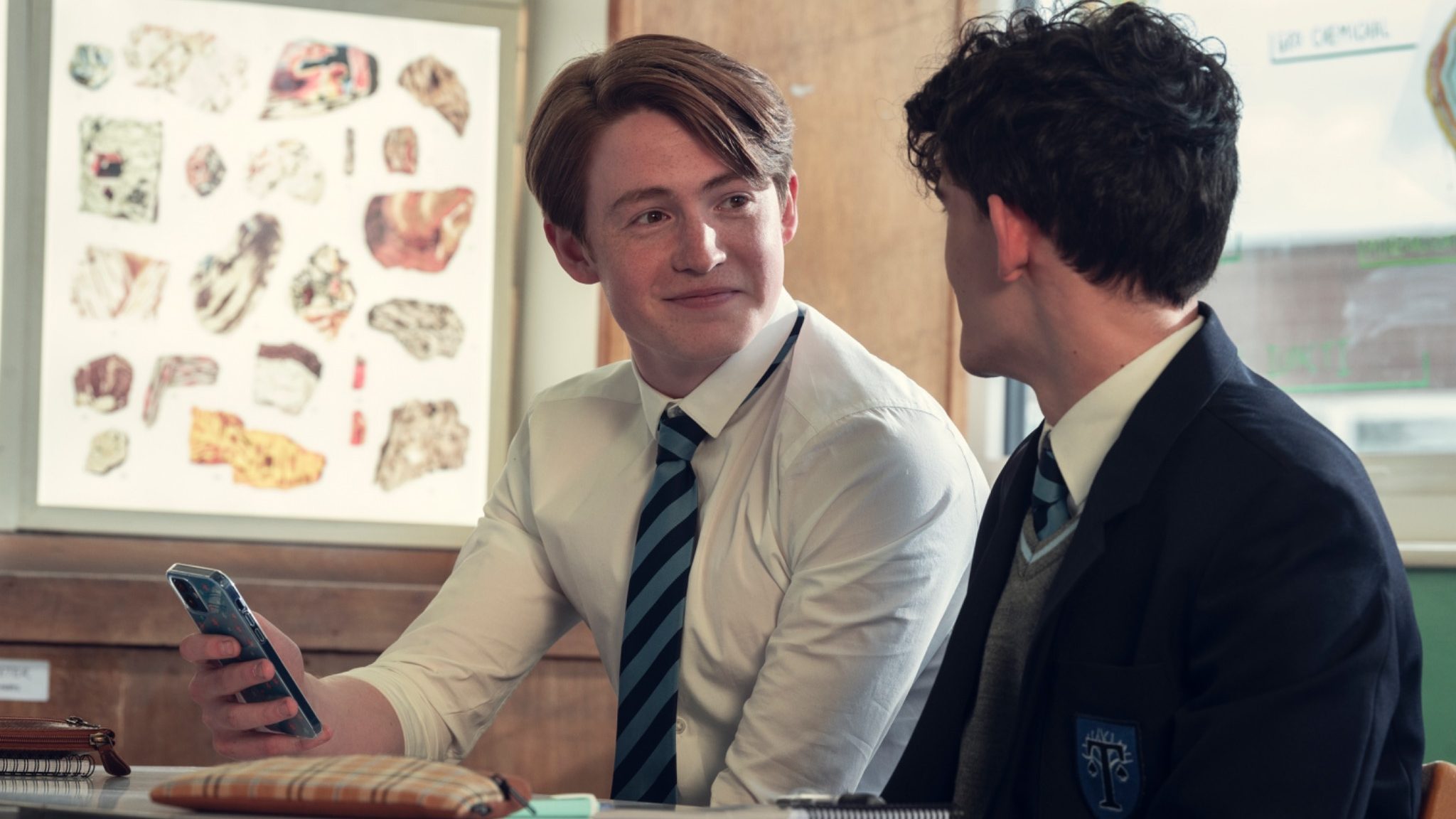
The flashbacks to the first season make it almost startling to see how much Nick and Charlie have grown. Charlie says it himself more than once: they were babies. Looking back at those early classroom scenes and the snow day makes the difference impossible to miss, especially when the film returns to the room where they shared their first kiss. Connor and Locke have grown up alongside these characters, and while they have always been brilliant as Nick and Charlie, their acting in Heartstopper Forever is incredible. Both give their strongest performances of the series, particularly during the breakup and its aftermath, when so much of the love and pain between them comes through without either character having to say it aloud.

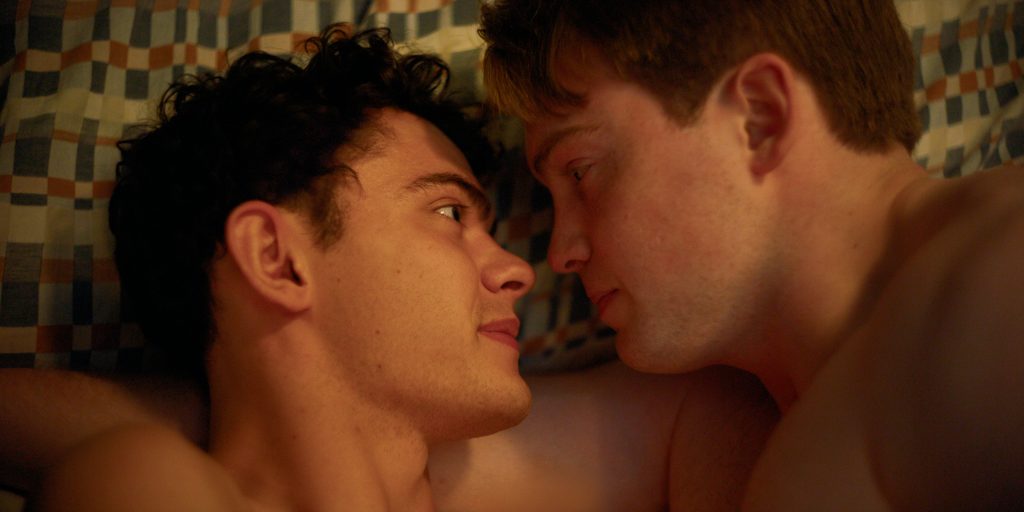
From the very start of Heartstopper Forever, it is clear that Nick and Charlie are at a much more mature stage in their lives together. They look noticeably older than the boys we met in Season 1, and the material is more adult too. Sex is now a regular part of their relationship; they talk about it openly and ask for what they want, showing how comfortable they have become with each other. There is a lot of it in the film, which feels natural for two young men who are very much in love and ready for that level of intimacy. Those scenes underline the trust between them, although I did occasionally feel that one or two could have made way for a quieter conversation or a little more time with the wider cast.
That sense of maturity goes beyond their physical relationship, with Nick and Charlie now facing emotional pressures that neither is fully prepared for. They know each other better than ever, but loving someone does not automatically mean knowing how to help them, especially when both are struggling in different ways. With Nick preparing to leave for university in Leeds while Charlie remains at Truham, the prospect of being apart is no longer a distant concern. Nick is terrified of who he will be without Charlie nearby, while Charlie begins to realise how much of Nick’s happiness has become tied to looking after him. Both want to protect the other, but those good intentions are part of what stops them from being honest about what they need.
A Breakup Neither of Them Wants
The breakup is devastating because neither of them truly wants it. They are still completely in love, but each becomes convinced that the other might be better off if they let go. They are trying to be selfless in the most Nick-and-Charlie way possible, and all they manage to do is hurt both of them.
I cried when they ended things, but the aftermath was even harder to watch. Charlie’s mental health begins to deteriorate and his disordered eating starts slipping back into his life. Nick becomes anxious and withdrawn while still worrying about Charlie from a distance. Neither boy suddenly becomes happier or freer without the relationship. They simply miss each other while attempting to believe they made the right decision.
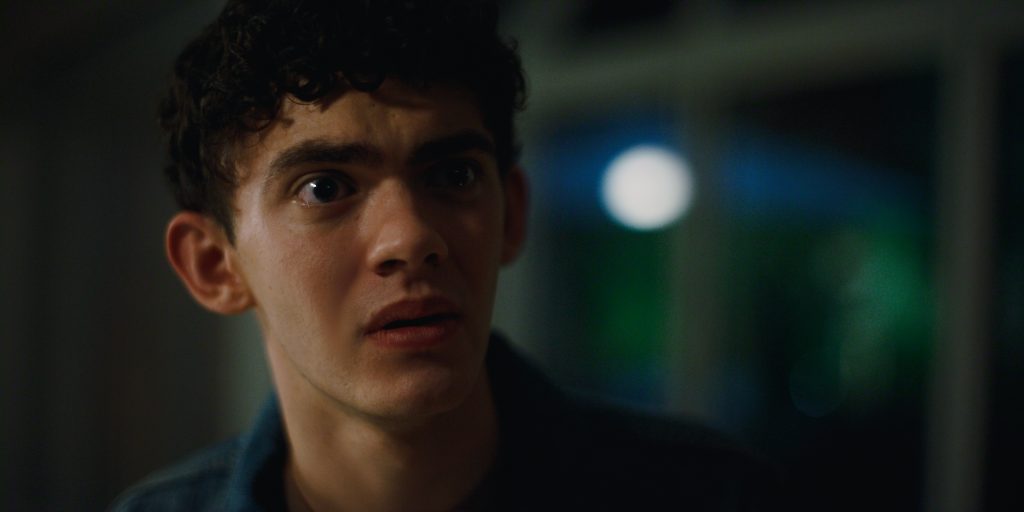
Locke and Connor are phenomenal through these scenes. Locke never overplays Charlie’s decline, allowing the fear to appear in small changes before it becomes impossible to ignore. Connor gives Nick a vulnerability we have not seen from him before, particularly as his drinking and anxiety reveal how much of his identity has become tied to looking after Charlie. Their performances make the breakup feel painfully believable, even when every part of you wants them to stop and tell each other the truth.
The Paris Squad Deserved More
The clearest weakness in Heartstopper Forever comes from its format. Nick and Charlie are the centre of the story, but Heartstopper has always belonged to a wider group of queer friends whose lives made its world feel so full. At one hour and 54 minutes, the film gives its leads a satisfying ending, but there simply is not enough room left for every supporting character to complete a full arc. That focus unquestionably pays off for Nick and Charlie, although the rest of the ensemble loses out.
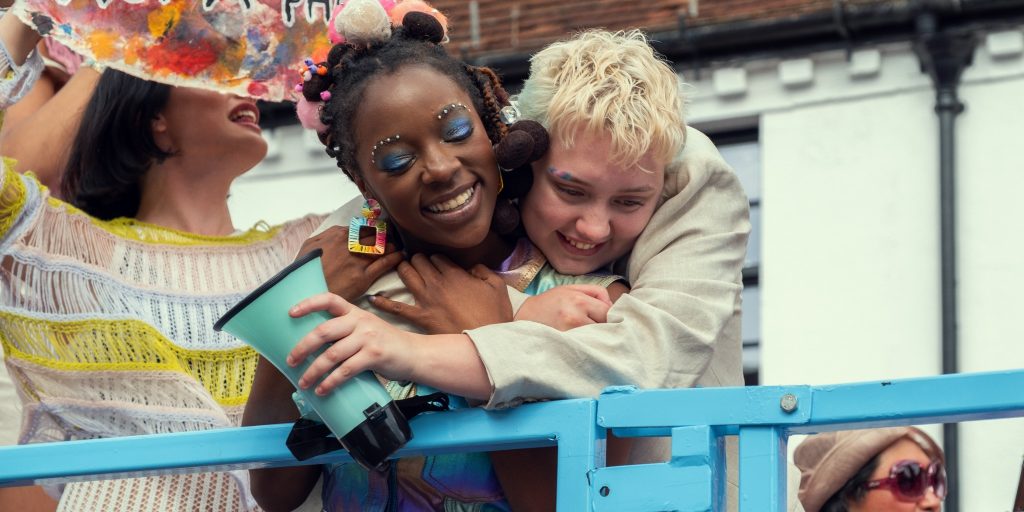
Tara (Corinna Brown) and Darcy (Kizzy Edgell) get particularly little to do beyond planning their interrailing trip. After three seasons of watching them grow together, and seeing Darcy become more comfortable in their identity, it is disappointing that their final storyline never goes much further. I would have loved more time with their relationship and with the sapphic love that has been such an important part of the series. Their ending is happy, which matters, but it feels like a quick update on their future rather than a proper final arc.
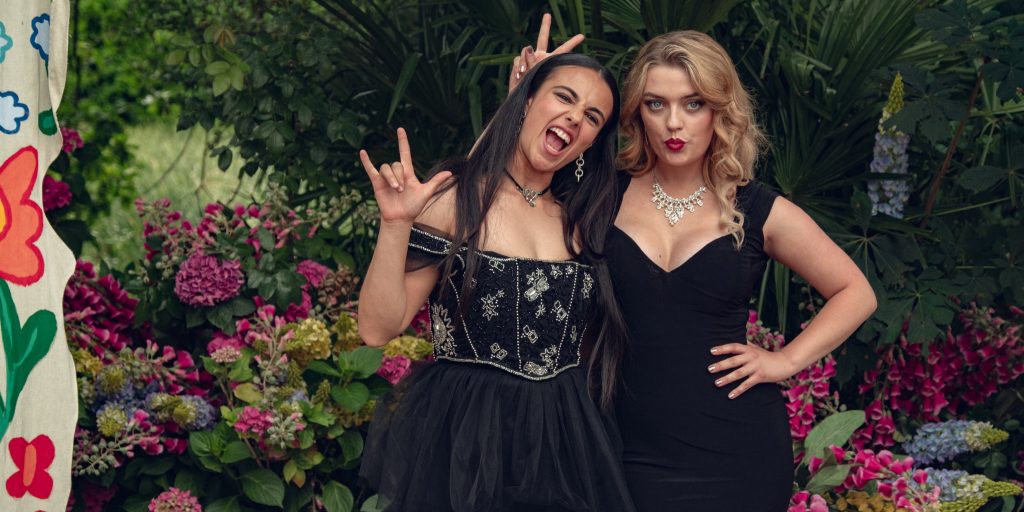
Imogen (Rhea Norwood) receives a little more development as she realises she is a lesbian, finally understanding that she is part of the community rather than simply one of its most enthusiastic allies. Her friendship with Sahar (Leila Khan) has always seemed to carry the possibility of something more, but we never properly find out what that relationship might become. Imogen turning up at Sahar’s gig in the epilogue offers a clue, but their story still feels unfinished. Isaac’s (Tobie Donovan) next chapter is briefly shown as he begins writing his first novel, while Tori (Jenny Walser) and Michael (Darragh Hand) also deserved more space. Tori’s understanding that she is asexual and aromantic, alongside the relationship she and Michael build on their own terms, challenges the idea that every couple has to look the same.
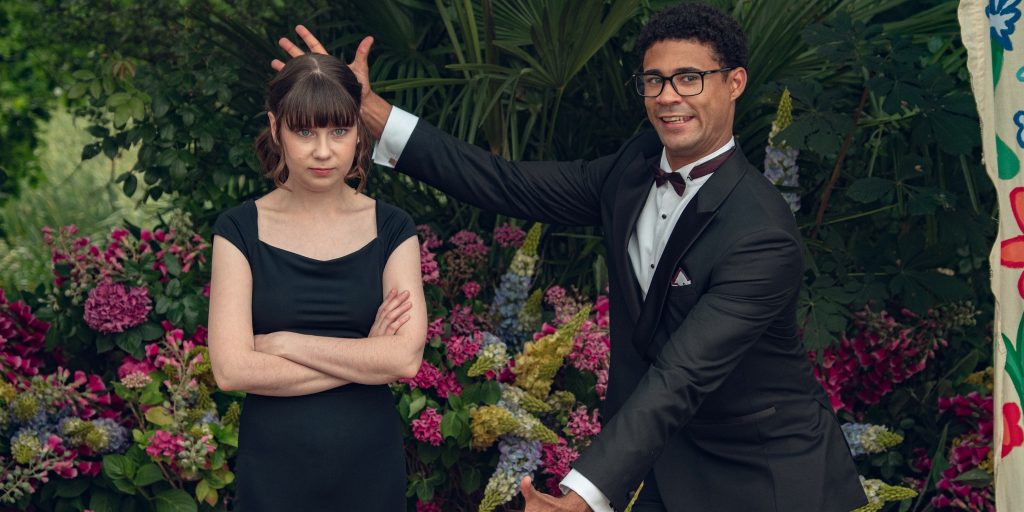
Elle (Yasmin Finney) and Tao (William Gao) receive a little more screen time, although they spend most of the film broken up once again as they try to work out whether their relationship can survive Elle moving to Berlin. Even while they are apart, the affection between them remains obvious. They have always been one of the sweetest couples in the series, and neither seems to have stopped loving the other; they are simply frightened that following their individual ambitions will pull them in different directions.
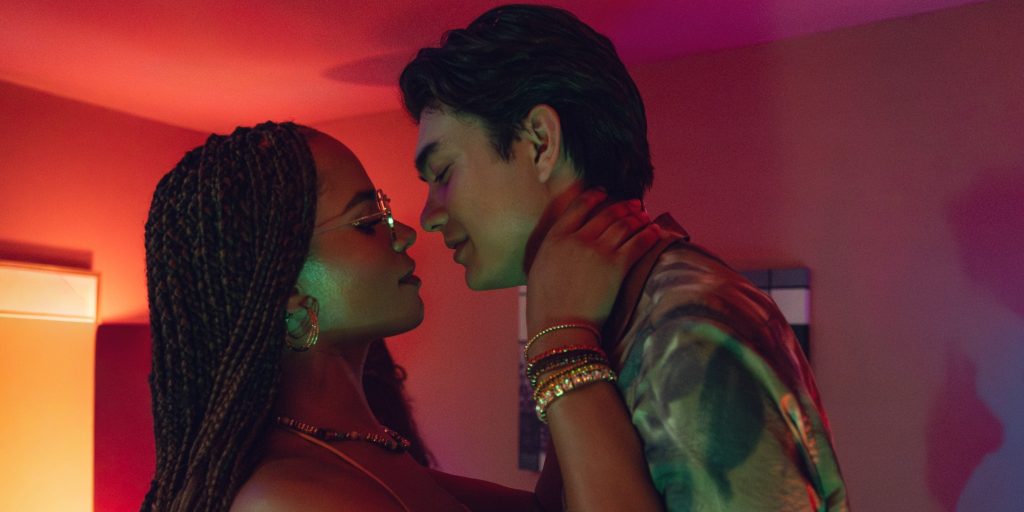
I would still take this film over having no finale at all, and I understand why Oseman prioritised completing Nick and Charlie’s story. It is simply a shame that saying goodbye to them meant having so little time to say goodbye to everyone else.
Queer Joy Has Always Been the Point
One of the most satisfying parts of the film is seeing Charlie become Head Boy and use that position to protect younger queer students from the bullying he once endured. When his attempt to create a Pride group at school is rejected, Mr Ajayi (Fisayo Akinade) reminds him: “Historically, us queers have never asked permission to exist.” It is one of the best lines in the film and a perfect summary of the values at the heart of Heartstopper.
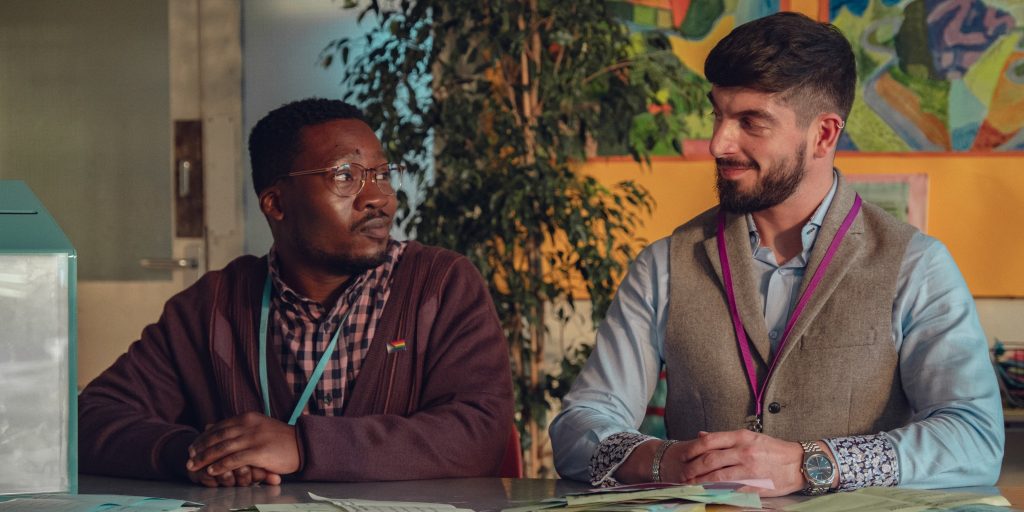
Mr Ajayi is also still happily together with Mr Farouk (Nima Taleghani), and although we only get small glimpses of them, it is lovely to see their relationship continuing. With so much of Heartstopper centred on first love, the pair bring an adult queer relationship into the story and show the younger characters that love can continue long after school. Their scenes are brief, but seeing them settled together and supporting the next generation of queer students is very sweet.
Elle is also given one of the film’s most important individual moments at Pride. Oseman uses the sequence to address the hostility facing trans people, with Elle and the crowd chanting: “What do we want? Trans rights! When do we want them? Now!” Her fear and frustration are taken seriously, but she is also surrounded by friends who show up and stand beside her. Those scenes feel particularly important now. Heartstopper has sometimes been criticised for being too earnest or idealistic, but I have never seen its hope as a weakness. Queer stories should not have to centre suffering to be taken seriously. This series has made room for pain without allowing pain to become the only possible ending.
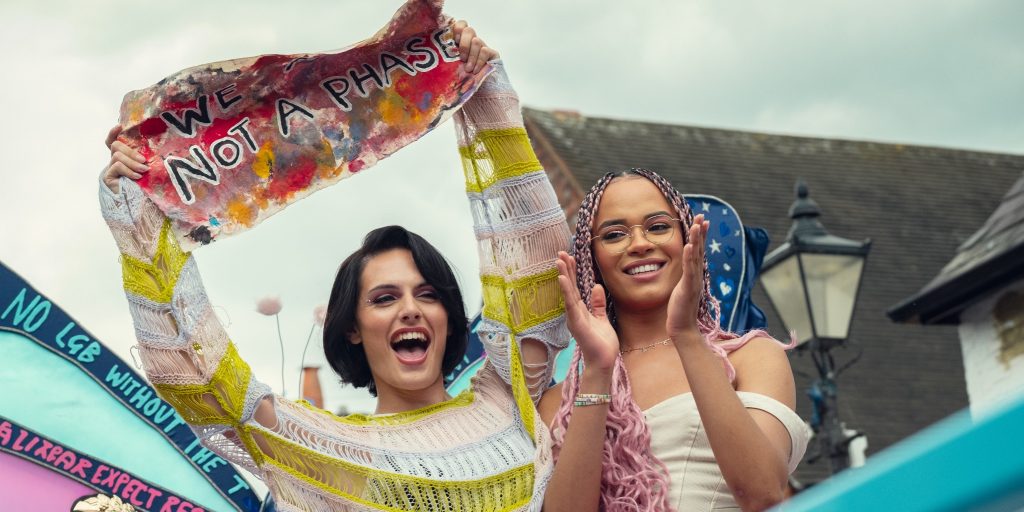
That is why Heartstopper has meant so much to me and to so many other viewers. It shows young queer love with an openness that still feels rare, and its characters are allowed to find friendship and community across a broad range of LGBTQ+ experiences. There is fear in their world, but there is also a future beyond it.
One of the film’s quietest scenes shows an older gay couple having tea at the café where Charlie works. Watching them gives Charlie a glimpse of the life that can exist beyond school and first love. It is a small moment, but it carries the promise at the centre of the whole series: queer people get to grow older and live ordinary lives with the people they love.
The Photos Say What Nick and Charlie Cannot
The relief of Nick and Charlie finding their way back to each other is enormous. Charlie has the photos from the disposable camera he gave Nick developed and discovers that so many of Nick’s photographs are of him. The collection becomes a record of how loved Charlie has been, even during the period when both boys had convinced themselves that love was not enough.

Charlie sends Nick the photographs with a note asking him to meet at the beach, bringing them back to the place where they first said they loved each other. Their kiss is followed by a return to the fair, including another photo booth moment that directly parallels the series. These callbacks carry the weight of everything the pair have lived through since. The first time was filled with the rush of discovering what they could be. This time, they know the difficult parts and choose the relationship anyway.
That choice matters. Nick and Charlie are not reunited because every problem has disappeared, or because being in love automatically solves the distance ahead. They return to each other with a better understanding that they can build separate lives without losing what they have together. Their love is not presented as fate doing all the work for them. It is a decision they are prepared to keep making.
An Ending That Feels Like a See You Later
The final glimpses of the wider group are brief, but Elle and Tao’s reunion in Berlin is beautiful. Elle’s large painting of Tao is revealed at her gallery, with a visitor remarking on how alive it feels. She turns around and Tao is standing there. Their hug got me all over again, especially after watching them struggle with the fear that following their own ambitions had to mean losing each other.
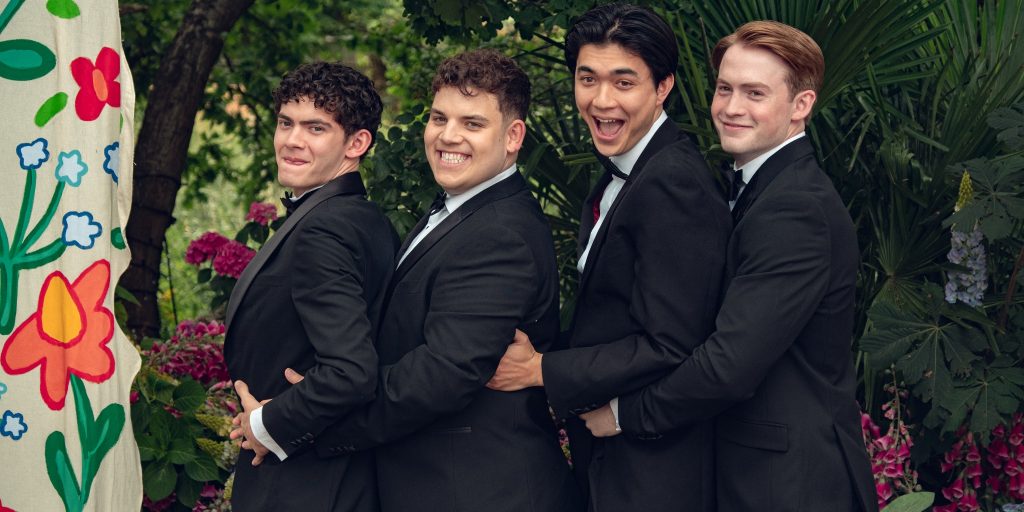
Tara and Darcy set off interrailing, while Nick begins university in Leeds. Charlie later travels by train to visit him and meets his new friends, proving that the distance they once feared does not have to break them. The film finally leaves Nick and Charlie together on an ordinary morning, with a scrapbook of memories and blank pages still waiting to be filled.
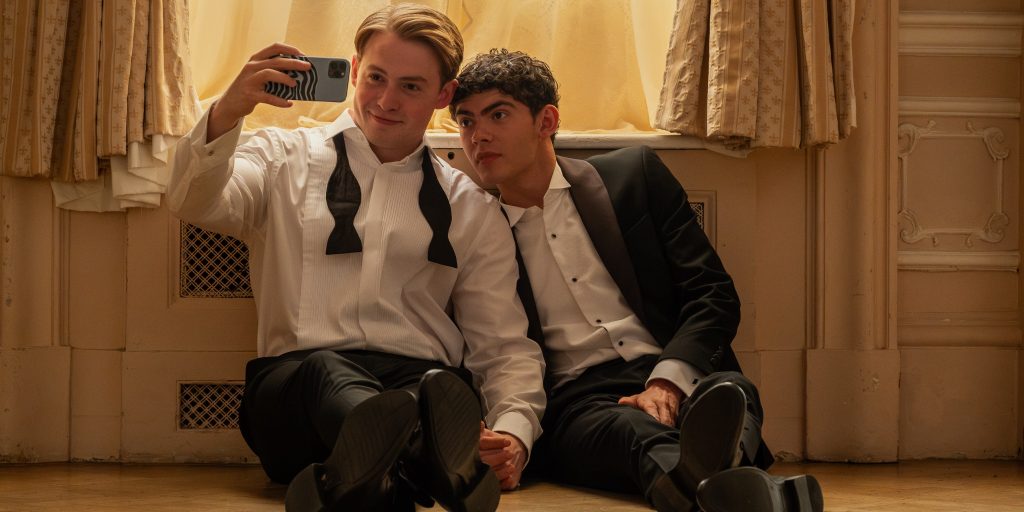
That is exactly why the ending works. It does not feel as though their lives stop when the credits roll. We leave them knowing they have grown enough to build their own lives and keep choosing each other. There is no sense that every part of their future has been decided, but there is every reason to believe they will be happy.
I still wish Heartstopper Forever had been a full season, because its supporting characters deserved fuller endings. As a final chapter for Nick and Charlie, however, it is tender and painful, with complete faith in the love between them. From their first “hi” to this final goodbye, it has been a wonderful story to follow.
Even then, goodbye does not feel quite right. This is a see you later, and I am leaving it certain that Nick and Charlie have many more blank pages ahead of them.
CultureCues Rating: ★★★★☆ (4/5)
Heartstopper Forever is now streaming on Netflix.

Nikki Murray is a UK-based writer, screenwriter and founder & editor of CultureCues, covering film, television, music and pop culture. Her work focuses on storytelling and the moments shaping modern entertainment.