For decades, film and television soundtracks have played an important role in shaping popular music. From the sweeping orchestral scores of classic cinema to iconic theme songs that instantly evoke entire eras of television, music has always been central to how audiences experience stories on screen. Yet in recent years something interesting has happened. Soundtracks are no longer simply supporting the story. Increasingly, they are driving the pop culture conversation.
Across film and television, carefully chosen songs are becoming viral moments in their own right. Tracks featured in major releases are climbing streaming charts, resurfacing decades after their original release and reaching entirely new audiences. In many cases, a single scene can send a song back into global playlists overnight. It is a reminder that when music and storytelling align perfectly, the cultural impact can extend far beyond the screen.
The Power of a Perfect Scene
Perhaps the clearest example of this phenomenon arrived with Stranger Things. When Kate Bush’s 1985 track “Running Up That Hill (A Deal With God)” played during one of the show’s most emotionally intense scenes, it immediately became a cultural moment. The sequence was already gripping on its own, but the music elevated it into something unforgettable. Watching it unfold, you could feel the tension building as the song swelled in the background.
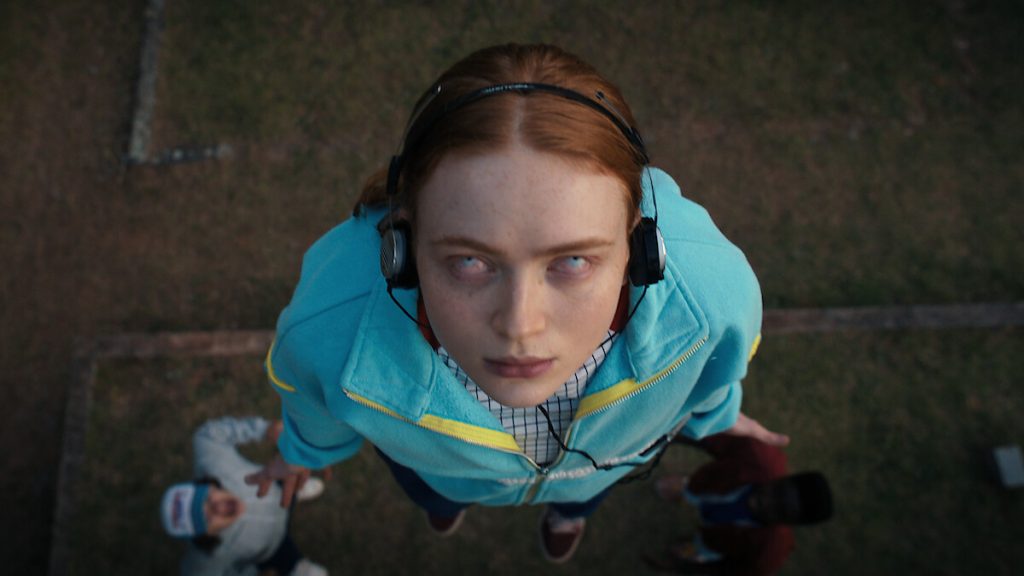
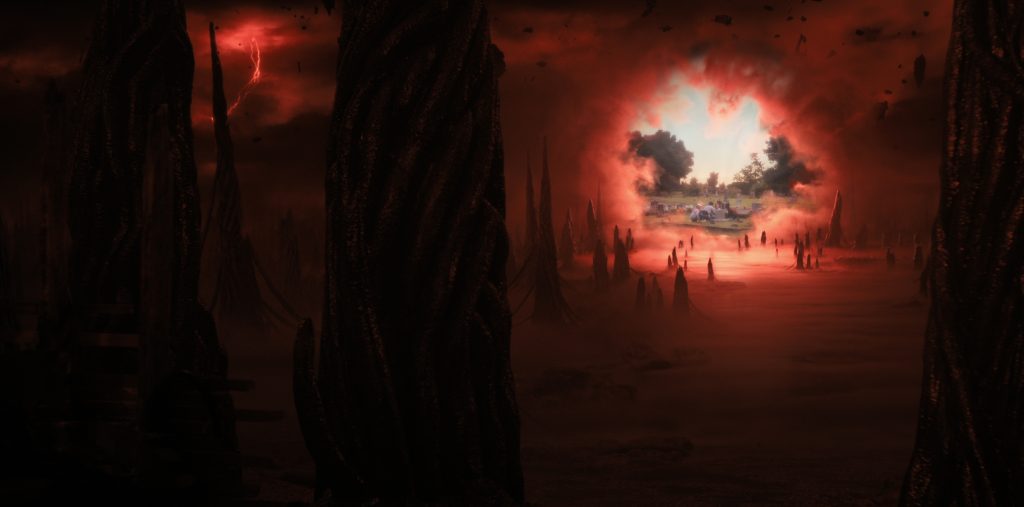
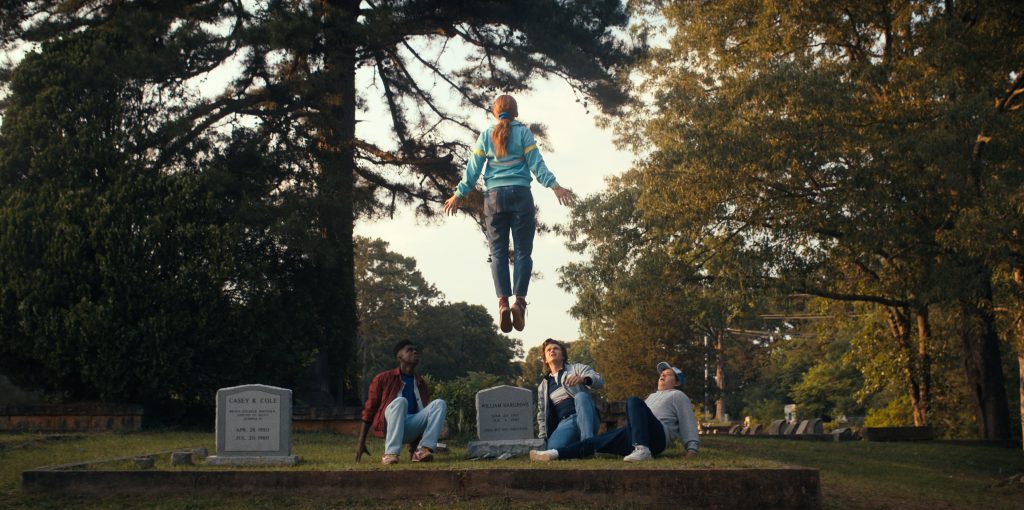
The result was extraordinary. Within days of the episode airing, the song surged to the top of global streaming charts, introducing Bush’s work to an entirely new generation of listeners. For many viewers, the music became inseparable from the emotional tension of the scene itself.
Other television series have embraced a similar approach. HBO’s Euphoria, for example, has built much of its identity around carefully curated music choices, blending contemporary pop, electronic sounds and atmospheric tracks into the emotional landscape of the show. Songs often appear during pivotal moments in the characters’ lives, heightening the drama and shaping the tone of entire sequences. When television uses music this intentionally, the soundtrack becomes part of the storytelling rather than simply background noise. The right song, placed at the right moment, can transform a scene into something audiences remember long after the episode ends.
Film Soundtracks Becoming Cultural Events
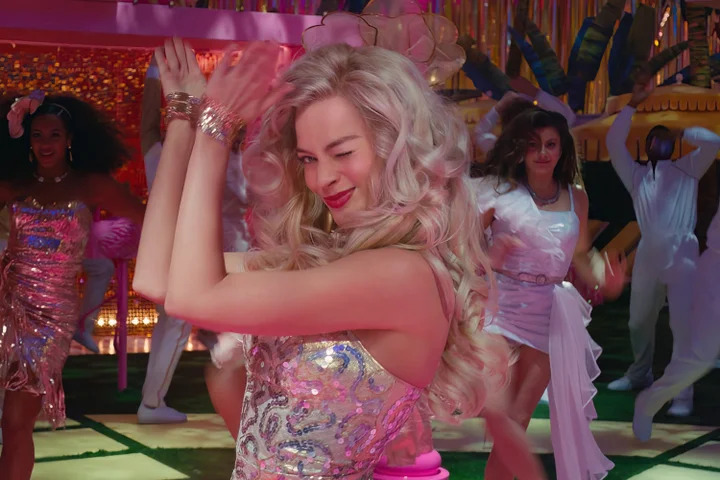
Cinema has also embraced the renewed power of soundtracks, with two recent films demonstrating just how influential a well placed song can be. Greta Gerwig’s Barbie, released in July 2023, did not simply include music as background decoration. Instead, its soundtrack became a central part of the film’s identity.
Featuring artists such as Dua Lipa, Billie Eilish and Charli XCX, the album quickly became one of the most talked about pop releases of the year. Songs like “Dance the Night” and “What Was I Made For?” extended the film’s world far beyond the cinema, dominating streaming platforms and award season conversations. The success of the Barbie soundtrack demonstrated how film music can function almost like a parallel pop album, creating a cultural ecosystem where the movie and its music feed into each other’s popularity.
A few months later, Emerald Fennell’s Saltburn, released in November 2023, delivered a very different but equally viral musical moment. The film’s closing sequence, set to Sophie Ellis-Bextor’s “Murder on the Dancefloor”, quickly became one of the most talked about scenes of the year. The contrast between the upbeat early 2000s pop track and the film’s dark, unsettling tone made the moment instantly unforgettable.
Clips from the scene spread rapidly across social media, and almost overnight the song experienced a major resurgence on streaming platforms, climbing charts again more than two decades after its original release. Together, these moments show how powerfully cinema can reshape the life of a song. When the right piece of music meets the right scene, the result can travel far beyond the film itself, spilling into playlists, social media and pop culture conversation.
The Streaming Effect
Part of the reason soundtrack music now travels so quickly is the way audiences consume media. In the streaming era, viewers can instantly search for songs they hear on screen, add them to playlists and share them across platforms within seconds.
This immediate access creates a feedback loop between film, television and music culture. A song featured in a series can trend online, climb streaming charts and become a viral conversation almost overnight. In many ways, the soundtrack is no longer confined to the screen. It becomes part of the broader cultural moment surrounding a show or film.
CultureCues Final Thoughts
The renewed influence of soundtracks shows that music remains one of the most powerful storytelling tools in visual media. A well chosen song can heighten emotion, deepen character moments and transform an already memorable scene into something iconic.
For audiences, these musical moments often become the memories that linger long after the credits roll. Whether it is the tension of “Running Up That Hill” in Stranger Things, the pop spectacle of Barbie or the carefully curated moods of Euphoria, soundtracks are once again shaping the way we experience both music and storytelling. And if the past few years have shown anything, it is that the right song, played at exactly the right moment, can still stop viewers in their tracks.

Nikki Murray is a UK-based writer, screenwriter and founder & editor of CultureCues, covering film, television, music and pop culture. Her work focuses on storytelling and the moments shaping modern entertainment.