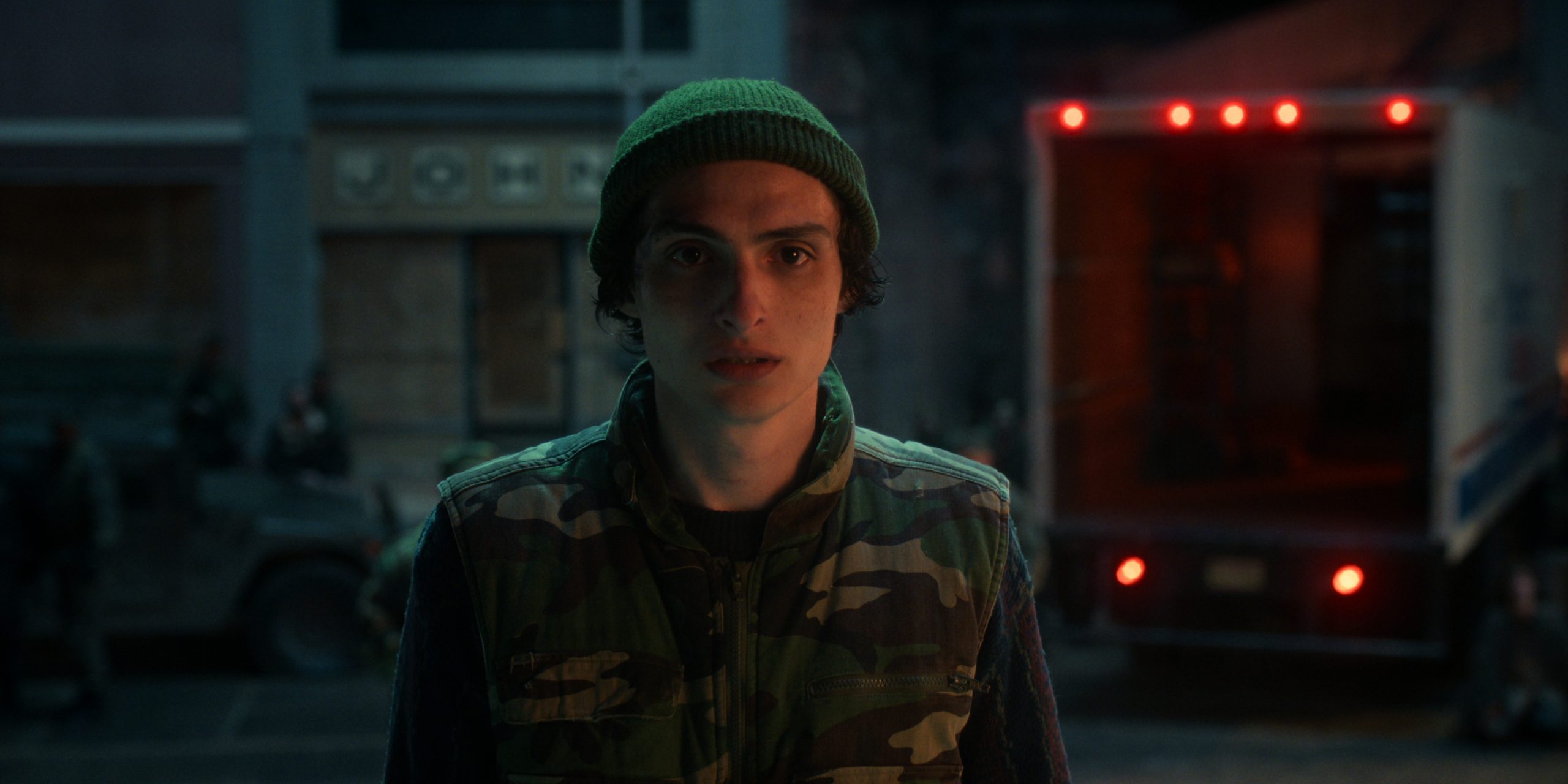
After nearly a decade of Demogorgons, synth scores, bike rides, and interdimensional terror, Stranger Things closes with a final season that is bigger, sadder, stranger, and, for the most part, deeply satisfying. Released in three parts between late November and New Year’s Day, the final chapter picks up in the autumn of 1987, with Hawkins scarred by the rifts opened at the end of Season 4 and placed under military quarantine as the hunt for Vecna intensifies.
There is no escaping the scale of what the Duffer Brothers are trying to pull off here. Season 5 has to tie together years of mythology, long-running emotional arcs, the fate of Hawkins, the truth of the Upside Down, and the futures of one of streaming television’s most beloved ensembles. That is a huge amount of story to carry, and while the season does occasionally creak under the weight of its own lore, it still lands where it matters most. In the characters, in the emotion, and in the aching sense that this really is the end.
Hawkins at Breaking Point
Season 5 wastes little time throwing us back into chaos. Hawkins is no longer pretending everything is normal. The town is fractured, watched, and increasingly unrecognisable, with the military presence creating a tense, oppressive backdrop to the final showdown. The group is split once more across different fronts, with some characters navigating the real world, others venturing into the Upside Down, and others caught in stranger psychic or memory-based spaces as the mythology expands yet again. The government’s pursuit of Eleven continues, even as the wider danger becomes impossible to ignore.
Holly Wheeler (Nell Fisher) takes on a significantly larger role this season, with the story placing her at the centre after Vecna targets her, along with the other children, as potential vessels. Fisher is genuinely incredible here, delivering a performance that feels far beyond her years and quickly becoming one of the season’s standouts. However, as strong as she is, Holly has never been a central character within the series, and the amount of time dedicated to her storyline can feel disproportionate in a final season already juggling so much. At points, it takes focus away from the core group that audiences have followed from the very beginning, particularly Mike, Will, Dustin, Lucas, Eleven, and Max, whose dynamic remains the emotional heart of the show.
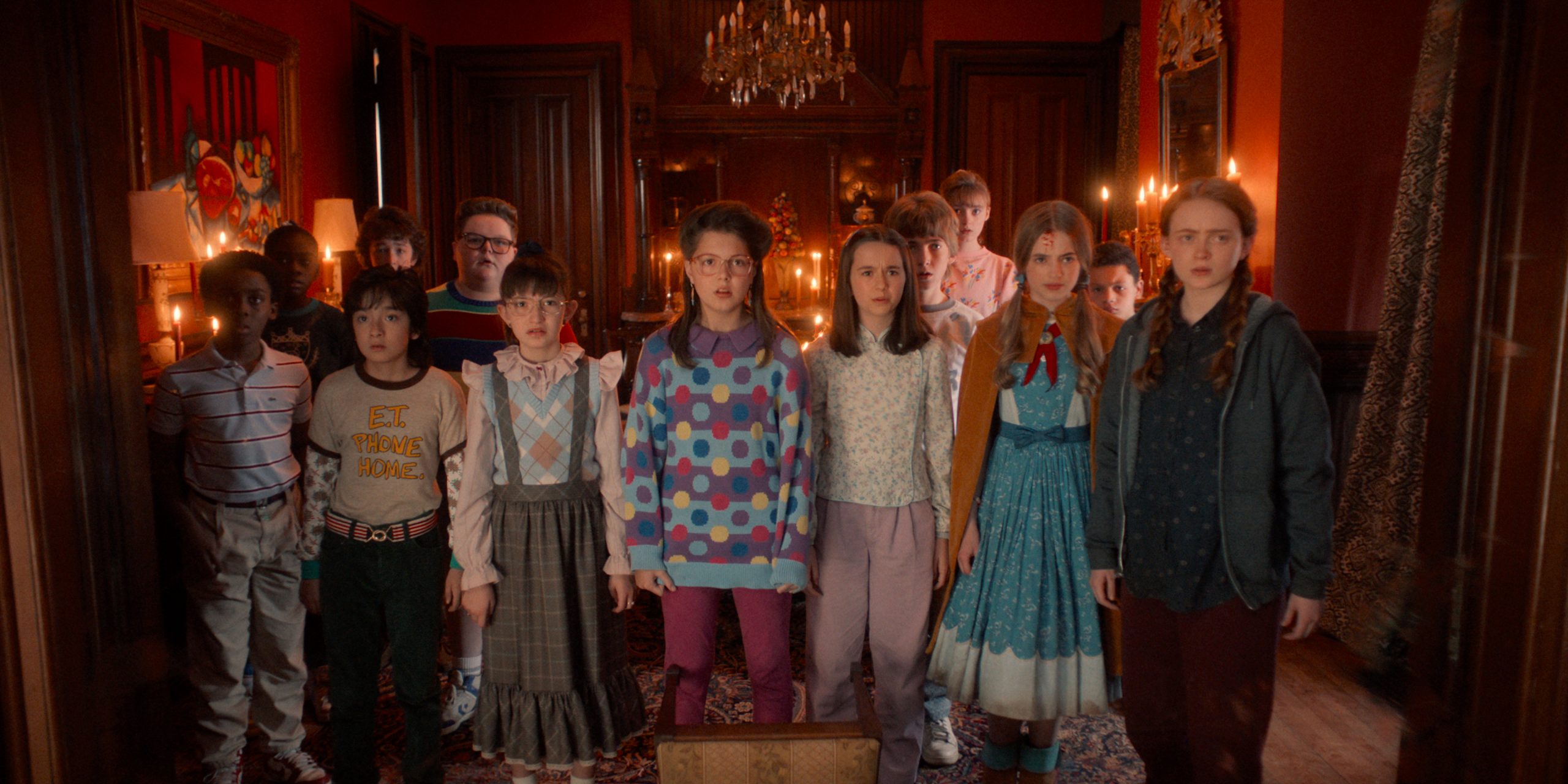
There is a lot going on, sometimes almost too much. The season remains committed to explaining itself, and there are stretches where the exposition threatens to overwhelm the momentum. Characters stop to clarify rules, motives, dimensions, and plans with a frequency that can make the show feel more like it is organising its own homework than racing towards a finale. Some of that is necessary. Stranger Things has grown into a mythology-heavy beast. Still, there are moments when it undeniably feels overstuffed.
And yet, when the series gets out of its own way, it absolutely soars.
A Finale That Remembers Its Heart
What saves Season 5 from collapsing under all that plot is the thing that has always made Stranger Things work. The characters. Beneath the portals, monsters, and apocalyptic stakes, this has always been a story about friendship, grief, growing up, and trying to hold on to the people you love when the world keeps changing.
That emotional core remains intact here.
Eleven is once again central, and Millie Bobby Brown gives the season the same intensity and vulnerability that have anchored the series from the beginning. Hopper and Joyce still bring warmth and hard-won tenderness. Nancy, Steve, Jonathan, Robin, Lucas, Dustin, Max, Mike, and the wider Hawkins crew all get moments that feel true to who they have become, even if not every storyline is given equal weight. The sheer size of the ensemble means some characters inevitably get more to do than others, and yes, there are times when you can feel the strain of trying to serve everyone at once. But when Season 5 locks into its emotional beats, it reminds you exactly why so many people fell in love with this series in the first place.

CultureCues Standout Moment
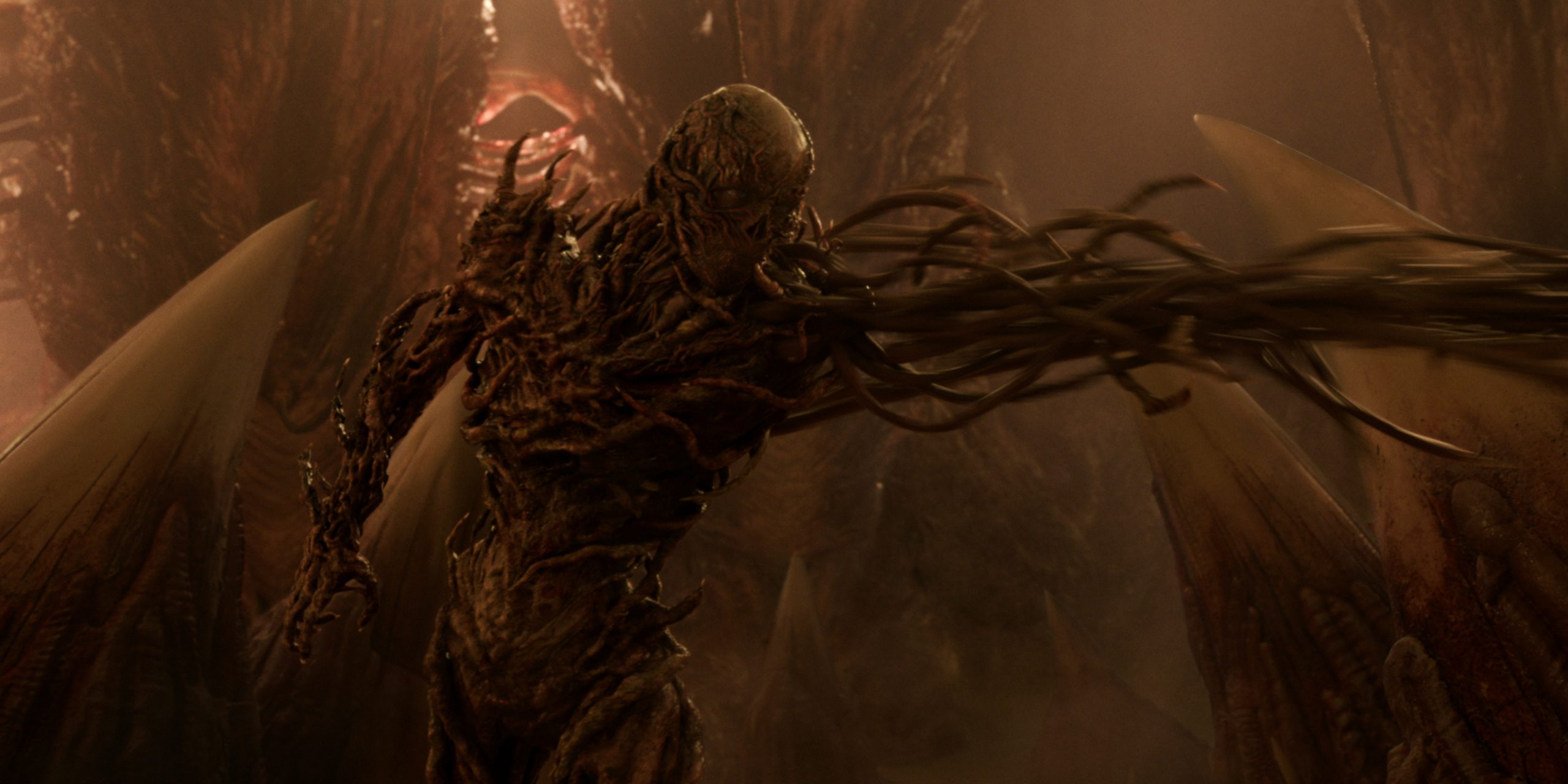
After years of being haunted, sidelined, and treated as the show’s most tragic barometer of pain, Season 5 finally gives him something richer and more active to do. His connection to the Upside Down, long teased and long suffered through, becomes one of the final season’s most important threads. By Episode 4, that arc delivers its most thrilling and emotional payoff, as Will’s power emerges in a way that feels both shocking and long overdue. Netflix’s own episode explainer confirms that Vecna’s plan turns directly on Will, who was taken as his first vessel back in 1983, and the end of Episode 4 reframes Will’s connection to the hive mind as something far more central to the endgame.

It is the kind of development that sends a jolt through the season. Not just because it is exciting, but because it finally allows Will to become something more than a victim. Noah Schnapp plays it with real feeling, and the result is one of the season’s strongest choices.
As Vecna closes in and the scale of the threat sharpens, Will’s long-simmering connection to the Upside Down finally transforms into something active, terrifying, and unexpectedly moving. It is a scene built on years of fear, pain, and quiet alienation, and when it lands, it lands hard. What makes the moment so effective is not just the spectacle, though it is spectacular. It is the emotional release beneath it. Will, who has spent so much of this series being pulled around by forces beyond his control, finally feels central to the story in a new way. The ending scene is chilling, cathartic, and one of the few moments this season that genuinely takes your breath away.
It is Stranger Things at its best. Mythology, emotion, and character all colliding at once.
The Season’s Biggest Weakness
For all its strengths, this final season is not flawless.
The biggest issue is that it still struggles with sprawl. There are simply too many moving parts, too many characters, and too many late-stage mythology additions competing for space. Some subplots feel more compelling than others, and there are moments when the military material in particular becomes repetitive rather than urgent. The show also has a habit of spelling out emotional themes that would often be more powerful if they were allowed to breathe on their own.
The three-part release strategy did not help either. In a series built on momentum, splitting the final season into separate drops made its structural weaknesses more visible and interrupted the emotional build. Netflix released the season in three instalments, with Volume 1 arriving in late November, Volume 2 on Boxing Day in the UK, and the finale on New Year’s Day. It certainly kept the show in the conversation, but it also gave audiences more time to sit with the clutter as well as the highs.
There is also the unavoidable truth that Stranger Things has outgrown the simplicity that once made it so special. What started as a sharp, eerie story about a missing boy and a strange little girl has become a vast franchise machine with an increasingly elaborate mythology. The scale is impressive, but it can sometimes come at the expense of clarity.
A Strong, Emotional Goodbye
Still, by the time the season reaches its closing stretch, the emotion carries it through.
The final episodes understand that this show’s legacy does not rest on lore diagrams or dimensional mechanics. It rests on friendship, sacrifice, shared trauma, and the painful process of growing up. Season 5 may not be as tight as it could have been, and it may not hit every beat with perfect precision, but it does deliver a conclusion that feels heartfelt, considered, and worthy of the characters we have spent years with.
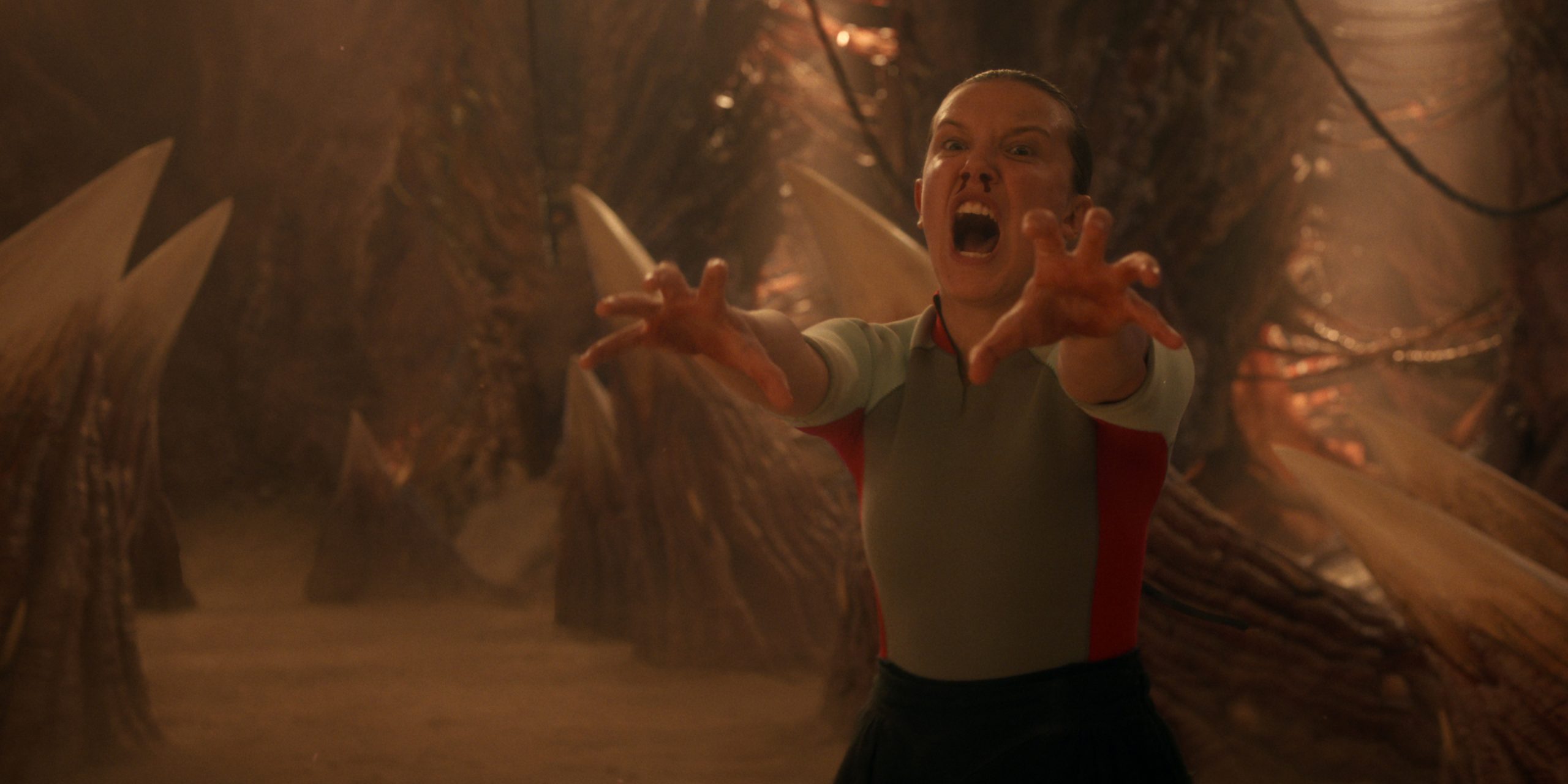
Eleven’s story reaches its most devastating point as she sacrifices herself in the final battle, leaving her fate uncertain. Her goodbye scenes with Hopper and Mike are among the most emotional of the entire series. Elsewhere, Steve and Dustin’s beloved friendship, strained for much of the season, finally finds its way back, while Nancy and Jonathan’s relationship quietly comes to an end. Will’s long-awaited powers emerge, giving him a crucial role in the fight, and Max’s awakening from her coma offers a moment of hope after seasons of trauma. In the final scenes, Hopper proposes to Joyce, bringing a sense of closure and warmth as the characters begin to look beyond survival and towards a future.
The final season of Stranger Things remembers why people cared about this show in the first place, and in its strongest moments, it honours that beautifully. For something this huge, this beloved, and this loaded with expectation, that is no small thing. It is not a flawless ending, but it is a fitting one, a final chapter that understands the weight of its own legacy and mostly rises to meet it. When the dust clears, what stays with you is not just the horror, the monsters or the spectacle, but the friendships at the centre of it all. That has always been Stranger Things’ real power. By the end of Season 5, it still is.

Nikki Murray is a UK-based writer, screenwriter and founder & editor of CultureCues, covering film, television, music and pop culture. Her work focuses on storytelling and the moments shaping modern entertainment.