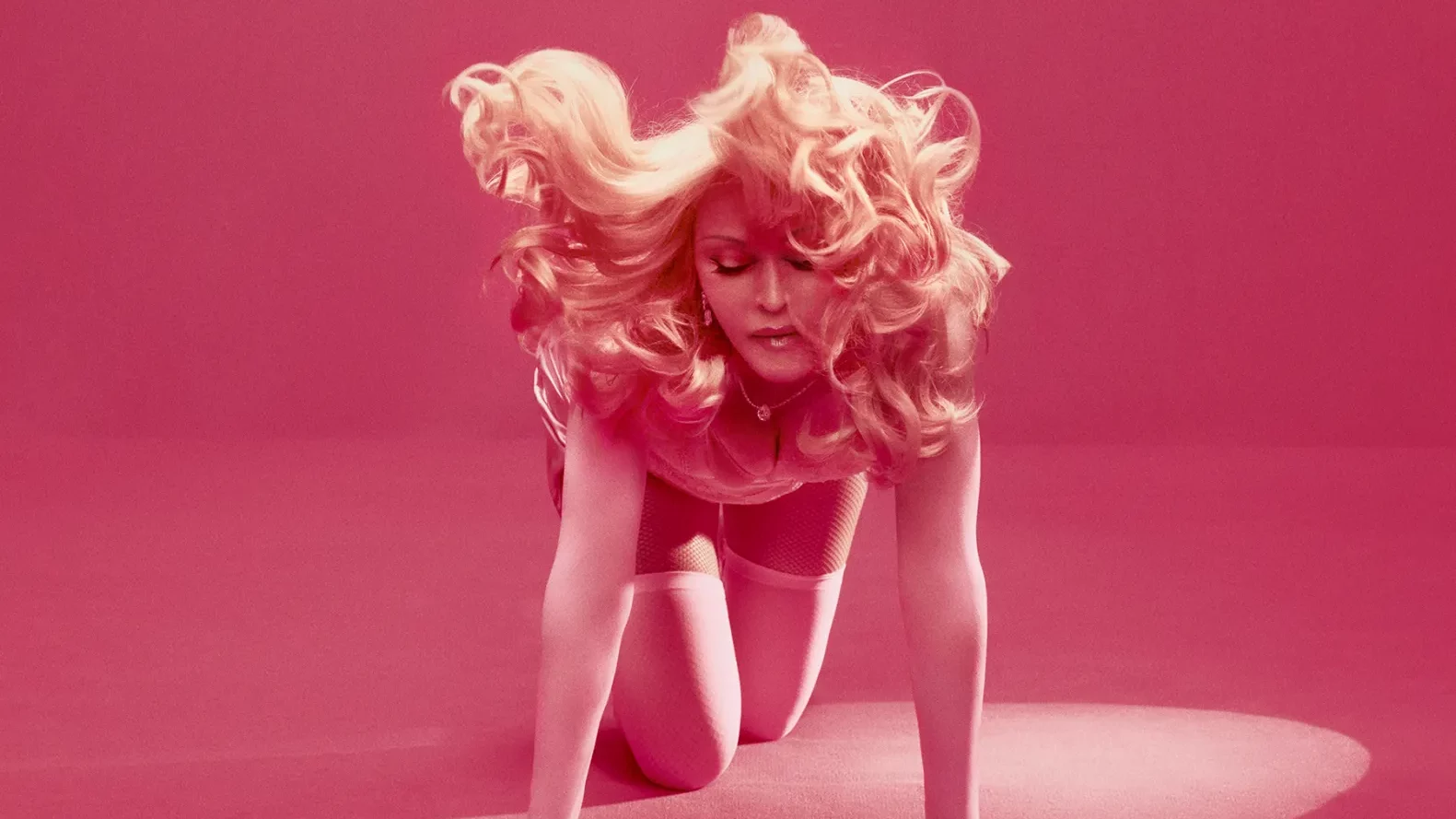
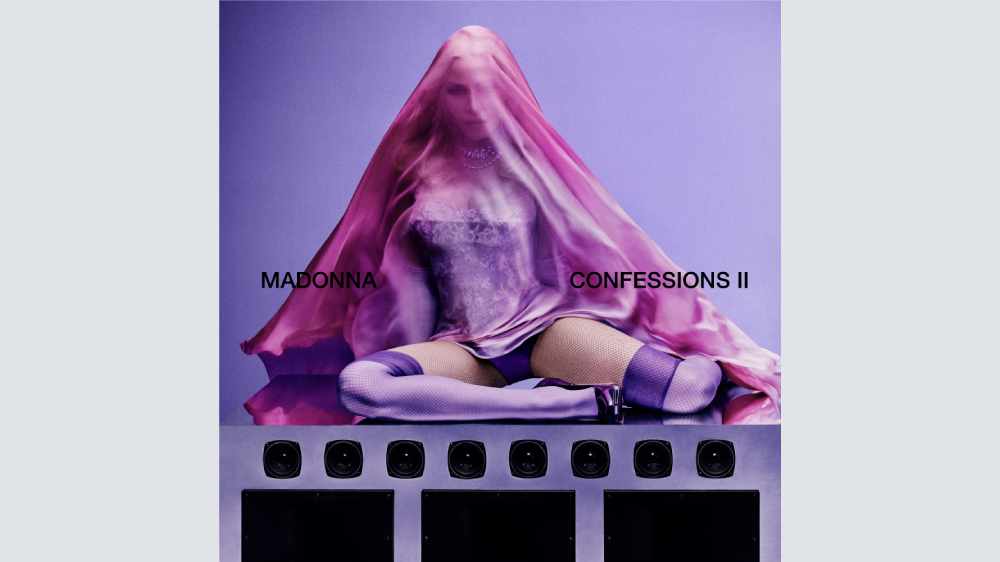
Twenty-one years after Confessions on a Dance Floor, Madonna has returned to the club with Confessions II, a sequel that could easily have felt like a nostalgia play. Instead, it feels focused, alive and surprisingly personal. Produced largely with Stuart Price, who helped shape the original Confessions, the album brings Madonna back to the place where she has always understood herself best: the dance floor.
The opening stretch is slick and pulsing, pulling you straight into its euphoric beats. Tracks like “I Feel So Free”, “Good for the Soul” and “Love Sensation” have the kind of late-night club energy Madonna does so well, where the outside world fades and the music takes over. We can already picture the drink in hand, the shimmy starting and the whole room sparkling under the lights.
The connection to Confessions on a Dance Floor is clear, but Madonna is not just trying to recreate that album exactly. The spirit is there, but Confessions II feels more reflective and expansive, drawing on house, disco, techno and club culture while allowing Madonna to look back over her own life and legacy.
That feeling comes through especially well on “Danceteria”, which takes listeners back to the New York scene where Madonna’s career began. The track moves through the clubs and characters of her early years, while the spoken-word roll-call gives us serious “Vogue” vibes with a more personal downtown twist. It feels nostalgic in the best way, with Madonna revisiting the world that first made her believe everything was possible.
“Everything” is another major standout, and possibly one of the album’s most addictive tracks. There is something slightly strange and wired about it that recalls the energy of some of her older tracks, but the song also feels very current, with Madonna pushing back against a world that has forgotten how to go outside and actually live. It makes the dance floor sound like a place of escape, but also a place of return.
Elsewhere, “Bring Your Love”, her duet with Sabrina Carpenter, is one of the album’s strongest pop moments. The pairing works because both artists know what it is like to have their image and sexuality picked apart in public, and the song lets them push back without sounding forced. Carpenter’s presence fits the track well, while Madonna uses it to restate something she has been saying for decades: she will not be quieted or corrected into something easier to digest. And to that we say: finger snaps, Mother.
Later in the album, Madonna lets more of her own history into the music. “Fragile” looks back on her relationship with her late brother Christopher, as she sings: “You said, ‘Don’t forget about me, don’t forget to be happy’”, a lyric that makes the song feel especially tender. “The Test”, her duet with daughter Lourdes Leon, then gives space to the complicated side of motherhood and fame. After spending so much of the record in the club, these songs bring the emotion closer to the surface without losing the album’s pulse.
The album does lose a little momentum in the middle, where a few tracks return to the same ideas about the dance floor as a place of freedom and escape. Still, the world of Confessions II is strong enough to carry it through, and even when the record feels slightly overlong, it remains committed to its own vision.
For CultureCues, Confessions II feels like Madonna’s strongest album in years. It honours what fans loved about Confessions on a Dance Floor, while giving her space to reflect on fame, family and the club culture that has followed her from the very beginning. Most importantly, it reminds us that Madonna does not need to chase trends when she can still command the dance floor on her own terms.
Also, we are saying this now: we can already imagine a few of these tracks making their way to Drag Race as full lip-sync battle extravaganzas. The queens would tear up the stage, the lights would be working overtime, and somewhere in the middle of it all, sequins and feathers would be flying to the beat.
So, was it worth the 21-year wait? Absolutely. Confessions II is bold and gloriously danceable, with Madonna lifting the veil just enough to let us see the artist behind the mirrorball.
CultureCues Rating: ★★★★☆ (4/5)
Confessions II is out now.

Nikki Murray is a UK-based writer, screenwriter and founder & editor of CultureCues, covering film, television, music and pop culture. Her work focuses on storytelling and the moments shaping modern entertainment.