
When Baby Reindeer premiered on Netflix in April 2024, few could have predicted just how quickly the series would dominate the cultural conversation. Quietly released without the marketing spectacle usually attached to prestige dramas, the seven-episode series rapidly became one of the year’s most talked-about television events.
Created by and starring Richard Gadd, the show is drawn directly from his real-life experience of stalking, trauma, and survival. The result is something far more intimate than a typical psychological drama. It is uncomfortable, raw, and deeply personal. Rather than presenting a neatly packaged thriller, Baby Reindeer explores the complicated emotional aftermath of trauma. It examines shame, vulnerability, and the long shadow that unresolved experiences can cast over a person’s life.
A Story That Refuses Easy Answers
Set largely within London’s struggling stand-up comedy scene, the series follows Donny Dunn, played by Gadd himself. Donny is a failing comic working behind the bar of a pub while attempting to build a career that never quite seems to take off.
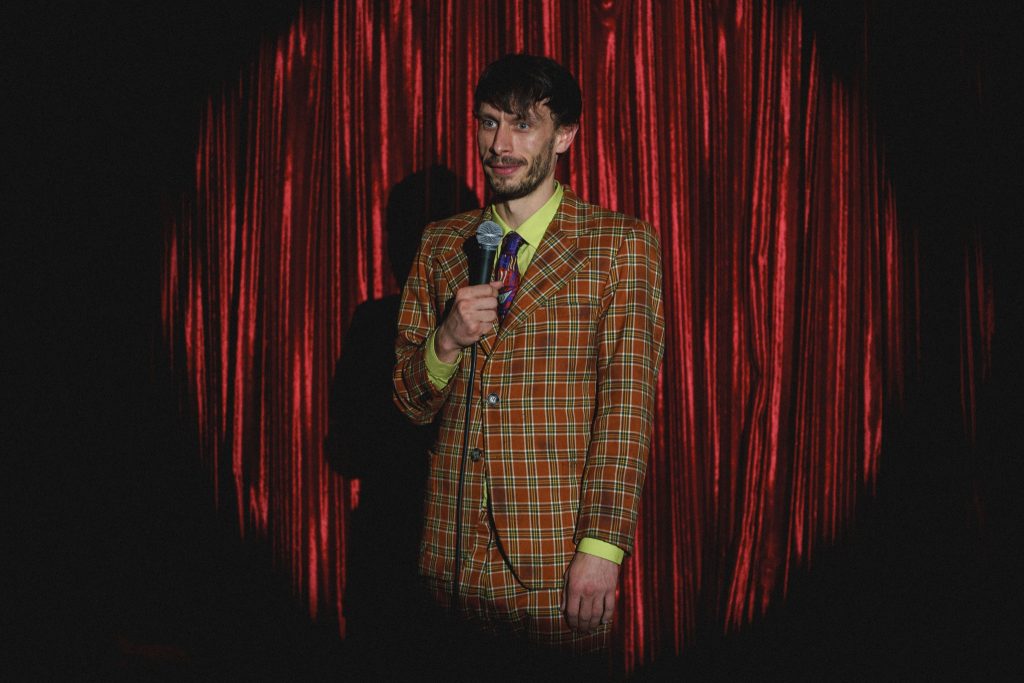
One day he offers a simple act of kindness to a woman named Martha, played with chilling unpredictability by Jessica Gunning. A cup of tea turns into conversation. Conversation turns into obsession. Before long, Martha’s attention becomes relentless, and Donny finds himself trapped in a situation that grows increasingly disturbing.
What makes the series so compelling is its refusal to reduce the situation to simple good versus evil. Martha is frightening and obsessive, yet the show avoids portraying her as a cartoon villain. Instead, it carefully explores the strange emotional entanglement that develops between the two characters. Donny’s reactions are often contradictory. At times he pushes Martha away. At others he appears to tolerate or even encourage her presence. These moments are uncomfortable to watch, but they feel painfully authentic. Trauma rarely produces clean or logical responses.
Unflinching Performances
Gadd’s performance sits at the centre of the series and carries enormous emotional weight. There is an honesty to his portrayal that feels rare on television, particularly in a story so closely connected to real events.
Rather than distancing himself from the material, Gadd leans fully into the vulnerability of the role. His Donny is insecure, flawed, and often deeply self-critical. The show never attempts to turn him into a traditional hero. Instead it presents a complex portrait of someone trying to navigate experiences he barely understands himself.

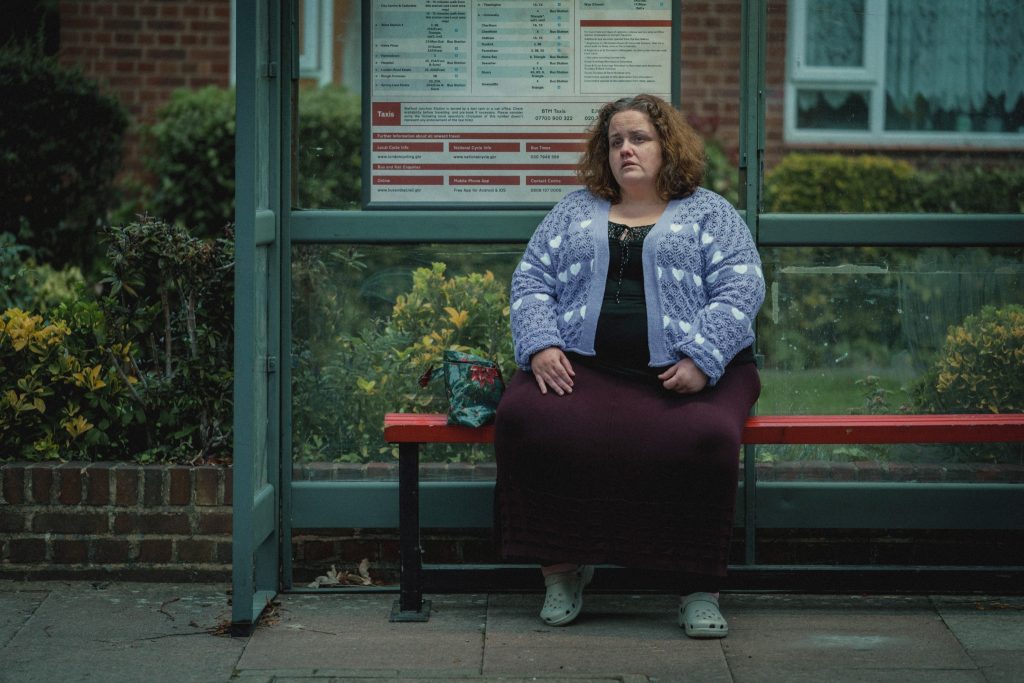
Alongside him, Jessica Gunning delivers a remarkable performance as Martha, bringing a deeply unsettling intensity to the role. Martha is unpredictable, obsessive, and often frightening, yet Gunning avoids reducing her to a simple antagonist. Instead she plays the character with an unnerving mix of vulnerability, volatility, and strange emotional dependency that makes every scene feel unpredictable. It is a performance that lingers long after the episode ends.
Visually, the series mirrors Donny’s emotional state. London appears cramped and suffocating. Comedy clubs, pubs, and small flats create an atmosphere that feels increasingly claustrophobic. The show builds tension through quiet moments, awkward silences, and scenes that linger just long enough to make the audience uneasy.
CultureCues Standout Moment
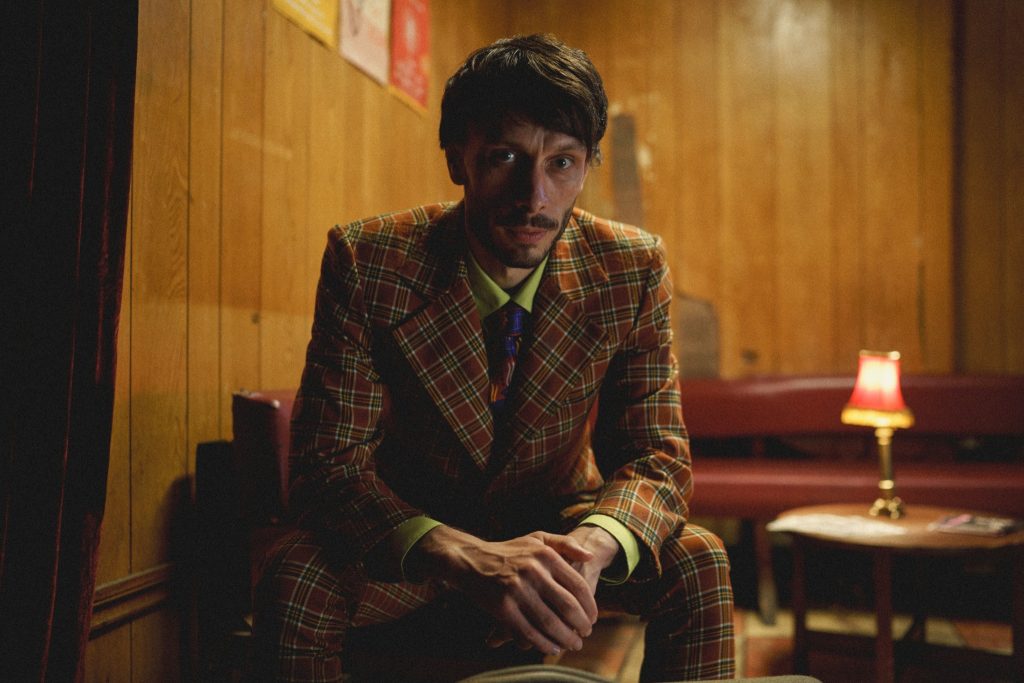
One of the series’ most powerful scenes arrives when Donny finally abandons the safety of scripted comedy and begins telling the truth on stage. Instead of performing jokes, he opens up about his experiences and the confusion surrounding his relationship with Martha. The moment is raw, vulnerable, and deeply uncomfortable to watch. It feels less like a television scene and more like a confession unfolding in real time.
It is the emotional turning point of the series and a moment that captures the core theme of Baby Reindeer. Sometimes the hardest thing a person can do is simply speak the truth about what happened to them.
The Result: A Cultural Phenomenon
What began as a deeply personal project quickly became one of Netflix’s most widely discussed series of the year. Viewers were drawn to its honesty and the unsettling realism of its storytelling. Online conversations exploded as audiences debated the series’ themes, the blurred lines between victimhood and responsibility, and the difficult emotional questions the story raises.

In an era dominated by franchise storytelling and familiar formulas, Baby Reindeer stands out precisely because it feels so personal. It does not aim to comfort its audience. Instead it asks viewers to sit with discomfort and confront the messy realities of trauma and survival.
By the time the final episode arrives, the series has quietly transformed from a story about stalking into something far more complex. It becomes an examination of how people process pain and how difficult it can be to escape the narratives we build around ourselves. In a television landscape often driven by spectacle, Baby Reindeer proves that the most powerful stories are sometimes the most intimate ones. It is unsettling, emotionally exhausting, and impossible to forget.

Nikki Murray is a UK-based writer, screenwriter and founder & editor of CultureCues, covering film, television, music and pop culture. Her work focuses on storytelling and the moments shaping modern entertainment.