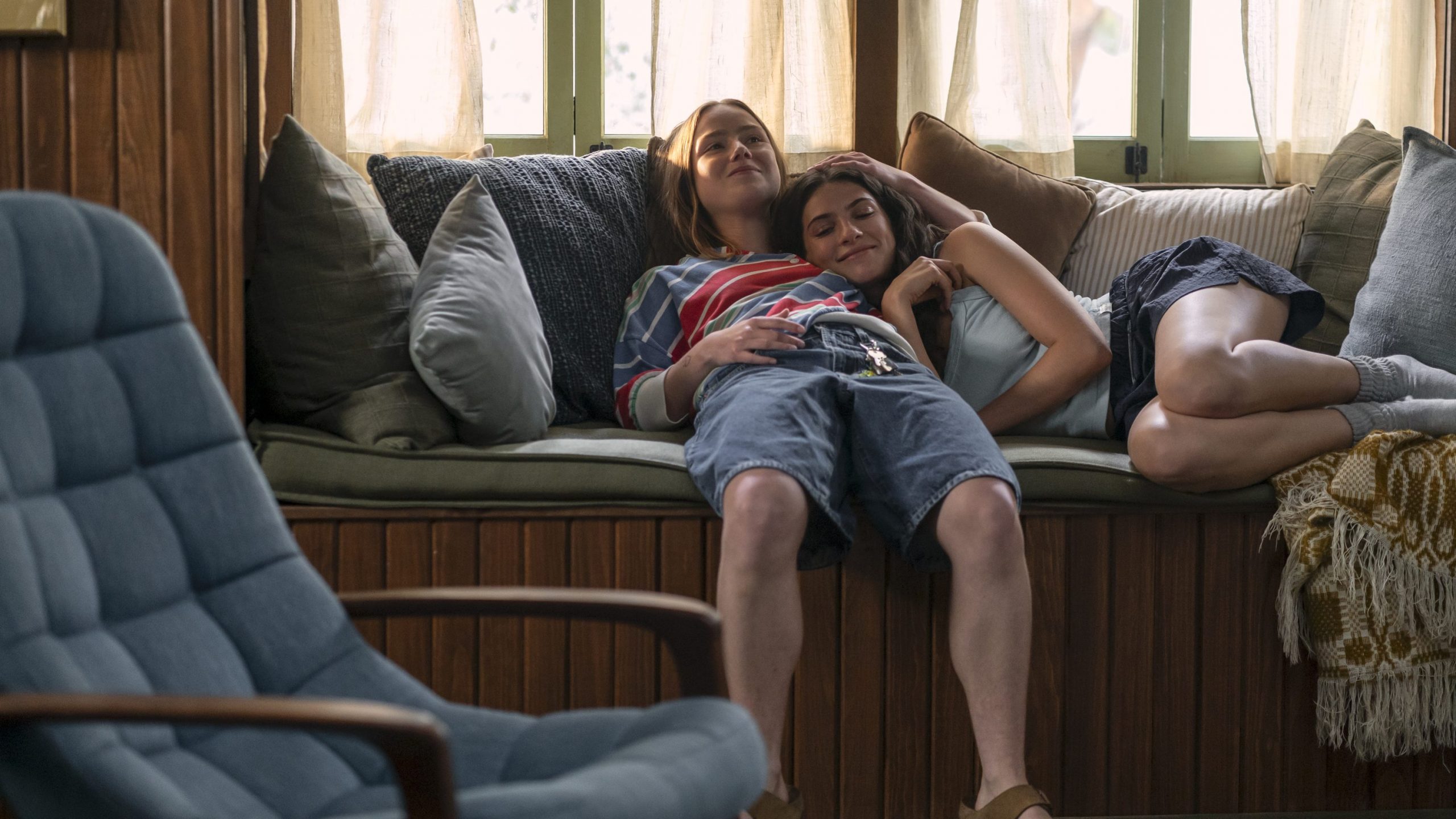
There are some shows you start expecting to enjoy, and then there are the ones that completely catch you off guard and remind you how good this kind of television can be when everything clicks. Sterling Point was very much the latter for me. Prime Video’s latest teen drama follows Annie Jacobson (Ella Rubin), a 17-year-old New Yorker whose summer takes an unexpected turn after the death of her estranged grandfather leaves her and her twin brother Connor (Keen Ruffalo) an island in Canada. Annie heads to Sterling Point hoping to learn more about the mother she lost when she was young, only to find Ramona (Amélie Hoeferle) already living there and discover a whole part of her family history she never knew existed.
From there comes the kind of setup we have seen plenty of times before: family secrets, a summer away from home, new friendships and, of course, a love triangle. Somehow, though, Sterling Point never feels like it is working through a checklist of teen drama tropes. The writing is so natural, the performances are so strong and the characters feel so genuinely lived-in that even its most familiar storylines have something fresh about them.
Spoiler warning! If you continue reading, this review contains spoilers for Sterling Point Season 1.
Sterling Point Feels Refreshingly Real
The first thing that stood out to me was the dialogue. So many teen dramas can have characters speaking in a way that sounds very obviously written, especially when they are trying too hard to make everyone clever, funny or painfully Gen Z. Sterling Point rarely has that problem. Conversations ramble, people interrupt each other, jokes sometimes barely go anywhere and characters do not always have the perfectly formed response ready to go. It sounds simple, but it makes such a difference. The writing gives the characters space to be funny without constantly reaching for a punchline and emotional without turning every conversation into a speech.
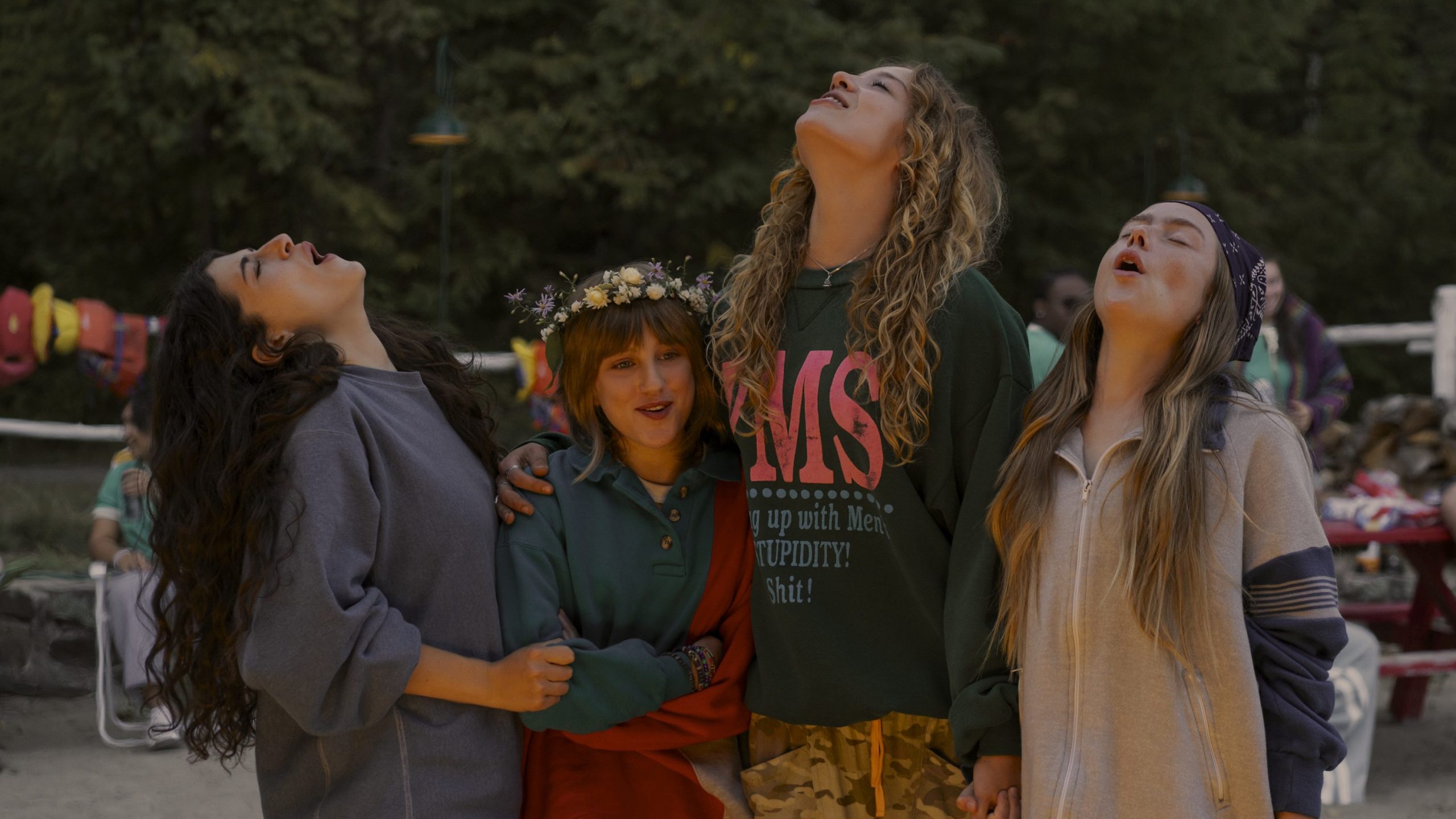
That carries over into the performances. Ella Rubin is excellent as Annie, particularly in the way she captures someone who arrives with her entire life planned out and slowly begins questioning what she actually wants. Keen Ruffalo makes Connor immediately likeable, and the wider group works because everyone feels distinct without becoming a collection of exaggerated teen archetypes.
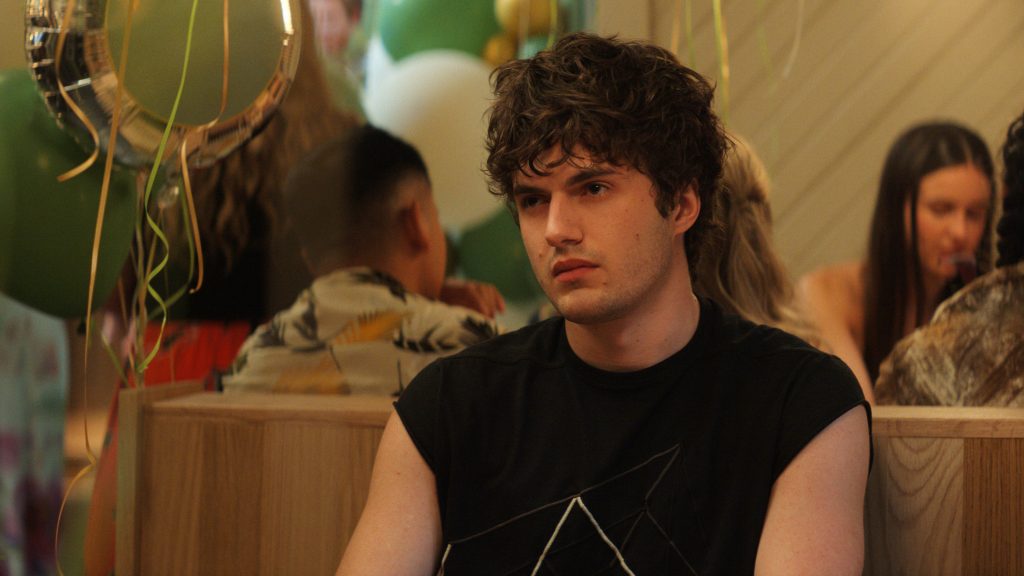
Amélie Hoeferle is particularly brilliant as Ramona. She begins the series understandably guarded and angry, but the more we learn about her, the more vulnerable that exterior becomes. Her relationship with Annie ultimately became one of my favourite parts of the entire season.
Annie and Ramona Are the Heart of the Series
Sterling Point has plenty of twists as Annie learns the truth about her family and Ramona’s past, but it was the relationship between the sisters that kept me most invested. Annie is open to Ramona from the beginning, with Ramona taking longer to let her in. Once she does, though, their relationship becomes so sweet and genuinely sisterly that it is hard not to feel disappointed for both of them that they were kept apart for so long and never got the chance to grow up together.
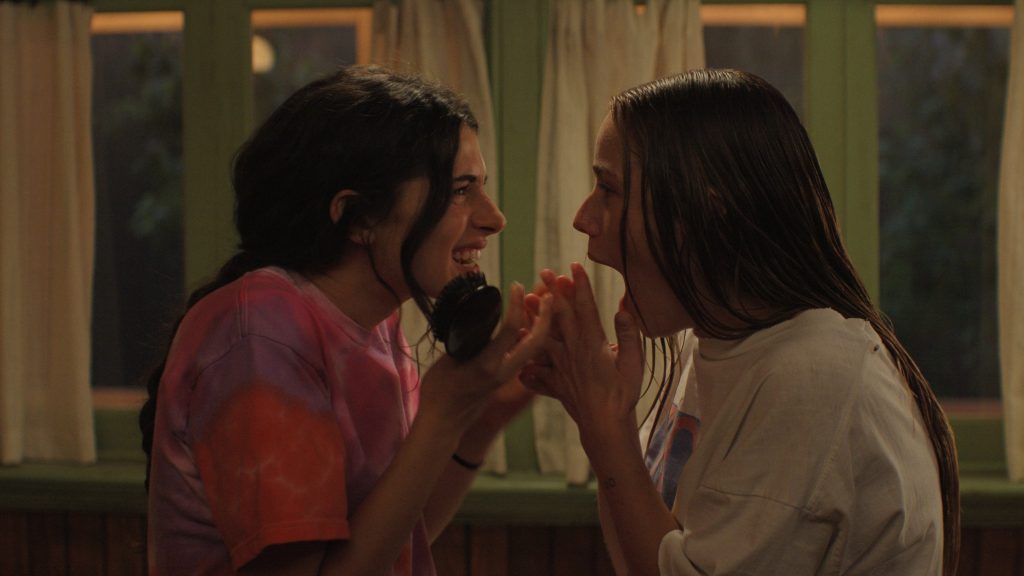
The series lets that bond develop properly instead of rushing straight towards an easy resolution, and it makes the later revelations around their family hit harder. There are a lot of secrets packed into these eight episodes, including everything surrounding Ramona’s father, but the story never loses sight of what those discoveries mean for Annie and Ramona themselves. That sister relationship gives Sterling Point so much of its heart.
The Love Triangle Actually Works
Annie finds herself caught between Rory (Daniel Quinn-Toye), someone connected to her life back home, and Ellis (Jacob Whiteduck-Lavoie), the local boy she meets after arriving at Sterling Point. Normally, this is the point where a teen drama makes it extremely obvious who you are supposed to root for by turning the other option into someone unbearable. Sterling Point does something much more refreshing: they are both great.
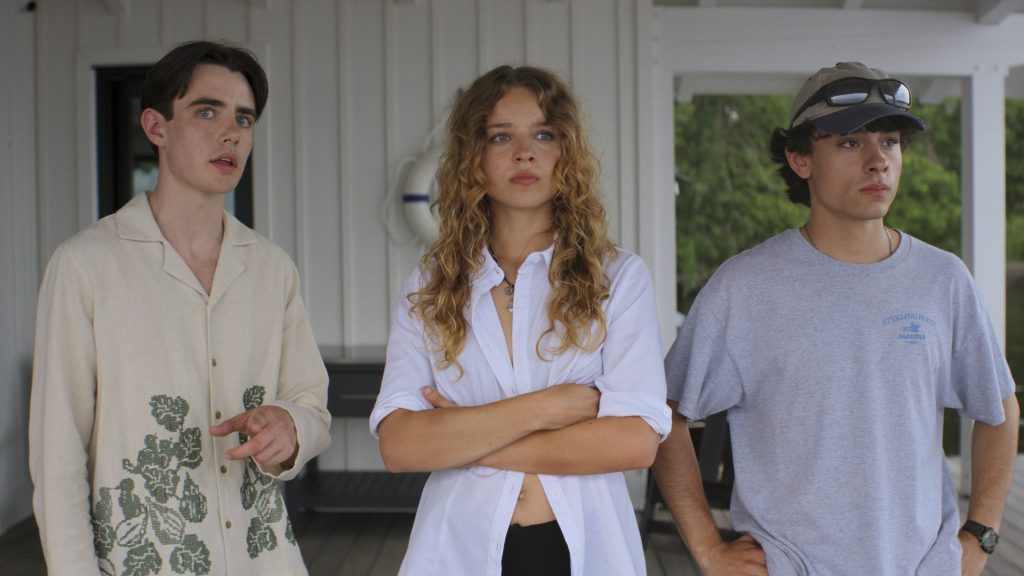
Rory is sweet and genuinely cares about Annie, so I never found myself sitting there waiting for him to disappear from the story. Ellis is equally likeable, and the series gives Annie believable reasons to connect with both of them. That said, Ellis and Annie just clicked more for me. Their chemistry feels immediate without becoming forced, and their relationship has this softness that works incredibly well against all the bigger family drama going on around them. Their kiss is one of those moments where the buildup pays off exactly how you want it to: sweet, hot and completely earned.
I still liked Rory, though, which might be the most surprising part of the entire love triangle. It is nice watching a show where picking one couple does not require hating the other person involved.
And Then There’s Ramona and Oona
This, however, is where Sterling Point really got me. Ramona and Oona (Bo Bragason) have the kind of best-friends-to-lovers setup that instantly pulls you in, especially because their relationship feels genuinely queer rather than written to make a point of it.
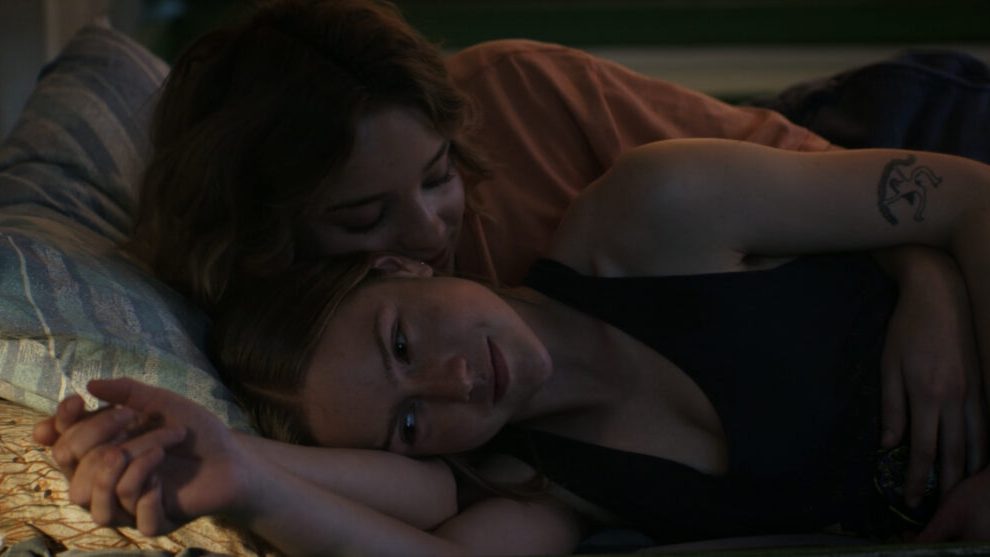
The LGBTQ+ representation across the series is one of the things I appreciated most about it. The characters look, dress and behave like people you could actually know, and there is such a refreshing lack of over-explaining around sexuality. Ramona and Oona are both lesbians, and the show lets their relationship be messy, complicated and emotional without ever making their sexuality the source of the problem. That might sound like a small distinction, but it matters. There is something particularly good about seeing lesbian characters presented with this much personality and specificity. Their clothes, their friendships and their humour all feel like parts of who they are rather than attempts to signal something to the audience.
And Ramona and Oona together? I was completely sold. There is so much history underneath every interaction because they already know each other so well, and their chemistry makes the whole relationship so easy to get invested in. Their first kiss had me fully kicking my feet and giggling because the chemistry was just that good… Which is exactly why the way things end between them hurts. I need Season 2 largely because I am simply not accepting that as the end of Ramona and Oona. They have far too much left unresolved, and after spending eight episodes getting invested in them, I need to know where that relationship goes next.
The Cast Makes Everything Work
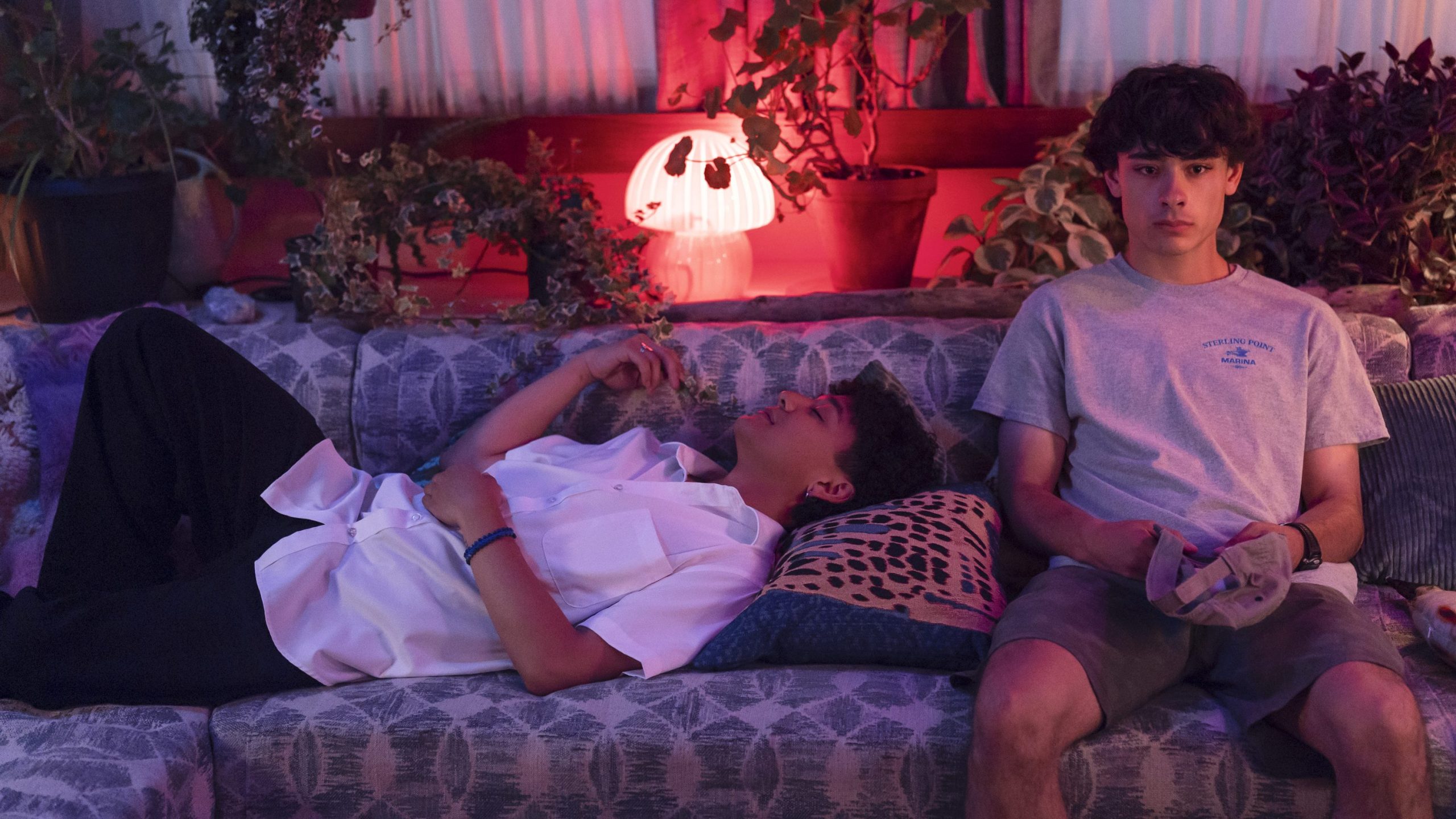
A lot happens across Sterling Point Season 1, with family secrets, relationship drama and some big revelations for Annie and Ramona, but the cast keeps it all grounded. Rubin and Hoeferle are fantastic together, and Hoeferle gives Ramona so much depth across the season. Bo Bragason is also brilliant as Oona, who is funny, fiercely independent and so easy to love, with the care Oona has for little sister Maple adding such a sweet side to the character. Jacob Whiteduck-Lavoie gives Ellis this really soft, genuinely nice energy that makes it very easy to understand why Annie is drawn to him. And a little love for Sully too, because Nikko Angelo Hinayo is so likeable in the role and fits into the group so naturally, adding even more LGBTQ+ representation.
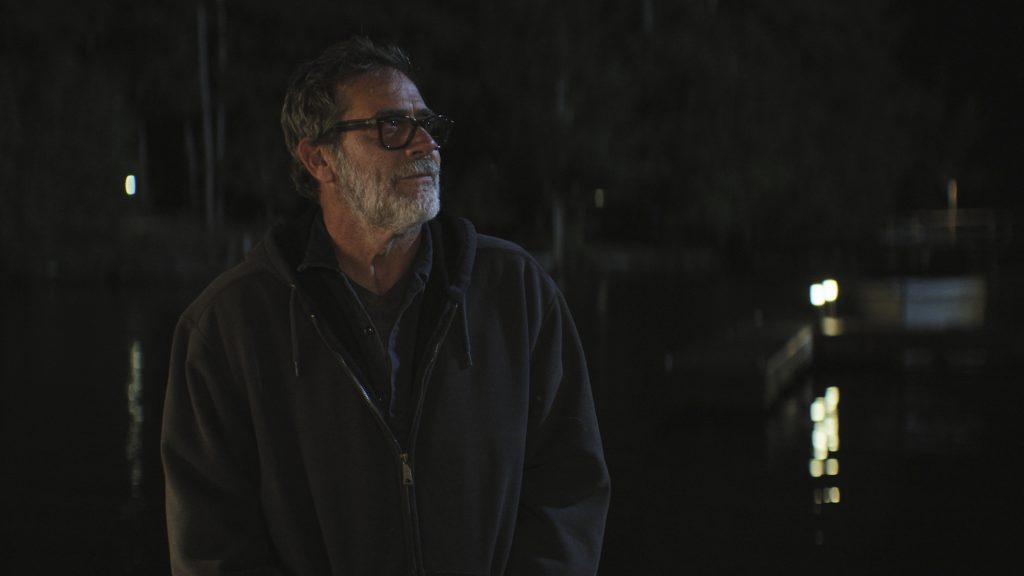
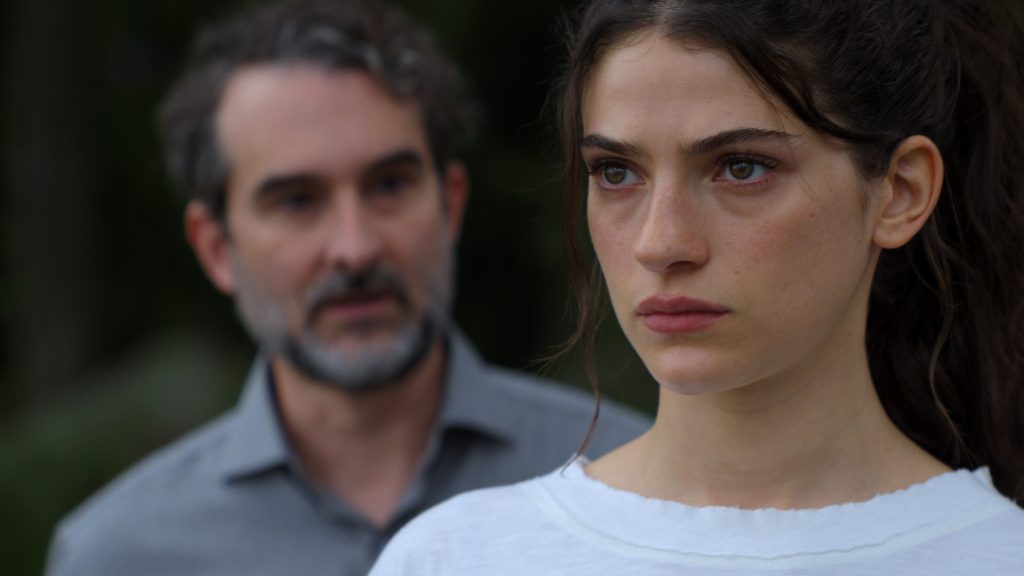
Even the adults, including Jeffrey Dean Morgan, Jay Duplass and Missi Pyle, slot into the story easily without pulling focus from the younger cast. And, respectfully, Jeffrey Dean Morgan is looking very fine here. It is genuinely one of those ensembles where I finished the season wanting more time with basically everyone.
Sterling Point Is Familiar, but It Never Feels Tired
On paper, Sterling Point could easily disappear among the wave of recent YA dramas built around summers away from home, complicated families and attractive teenagers falling for each other beside large bodies of water. It does not. There is something incredibly relaxed about the show despite how much story it fits into eight episodes. Sterling Point itself helps, with the lake, boats and cabins giving the series this sense of being removed from the rest of the world, but it is really the characters that make you want to stay there.
The show is funny without forcing it, romantic without letting the romances take over everything and emotional without constantly trying to make you cry. Most importantly, it clearly likes its characters. Nobody needs to become horrible just to create conflict, and even when people make questionable choices, you can usually understand why they made them.
That makes the twists hit harder because you actually care about the people involved, and it also makes the series ridiculously easy to binge. I flew through the episodes because there was always another relationship I wanted more of or another family secret I needed answered.
CultureCues Verdict
Sterling Point is easily one of the best shows I have watched in ages, and definitely one of my favourite surprises of the year. I loved how natural the dialogue felt, how good this cast was together and how much care had clearly gone into making these characters feel like actual young people rather than polished versions of them. I loved Ellis and Annie, and Ramona and Oona were just so buzzy together. I loved their friendship, their relationship and the chemistry between them, and I was completely invested in every scene they shared. The LGBTQ+ representation deserves particular praise because it is woven so naturally into the world of the show. Seeing queer characters, especially lesbians, portrayed with this much specificity without their identity becoming their entire story still feels rarer than it should.
There are plenty of twists across the season, some of them bigger than others, but Sterling Point never loses the relationships underneath them. That is what made me care enough to keep hitting next episode, and it is why finishing all eight left me immediately wanting another season. Prime Video has not confirmed Season 2 yet, but after that ending, I desperately hope we are going back to Sterling Point.
CultureCues Rating: ★★★★½ (4.5/5)
Sterling Point Season 1 is available to stream now on Prime Video.

Nikki Murray is a UK-based writer, screenwriter and founder & editor of CultureCues, covering film, television, music and pop culture. Her work focuses on storytelling and the moments shaping modern entertainment.