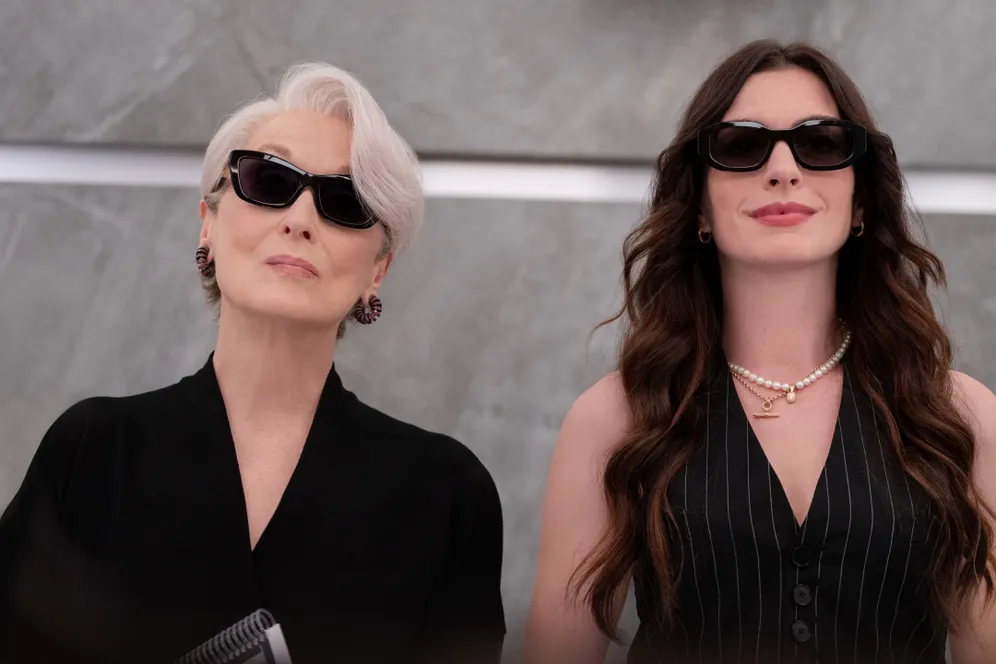
It’s been nearly two decades since we last stepped into Runway, and The Devil Wears Prada 2 arrives with the kind of pressure few sequels can avoid. The original is not just a film people like. It is a comfort watch, a quote machine, a fashion reference point and, for many of us, a very specific part of growing up.
So yes, expectations were high. Thankfully, this return to Runway is an absolute joy.
Miranda Priestly, still played to perfection by Meryl Streep, remains as formidable as ever, but the world around her has changed. Print is struggling, advertisers are nervous, and the kind of power Runway used to hold is no longer guaranteed. Even Miranda has to face an industry where clicks, scandal and tech money can shake the foundations of everything she has built.
After a damaging controversy and a serious dip in influence, Runway needs a reset. That brings Andy Sachs back into Miranda’s orbit, with Anne Hathaway returning as a version of Andy who has clearly built a life beyond her assistant days. She has a career, a voice and the confidence to stand her ground, but she is still pulled back towards the place that changed her. It is a slightly convenient setup, but honestly, who cares when it gets these characters back in the same room?
The Cast Slip Straight Back Into It
The biggest pleasure of The Devil Wears Prada 2 is how natural the returning cast feel. They slip back into the world, older and more settled in themselves, but still recognisable.
Meryl Streep is fabulous as Miranda. She does not need grand speeches or raised voices. A look is still enough. What feels different this time is that the film lets us see more of Miranda’s human side without softening her too much. She remains demanding and almost impossible to please, but there is a real sense that she loves the work. Runway is not just her empire. It is her purpose. That makes her more interesting here. Miranda is not fighting for relevance because she cannot bear being replaced. She is fighting because the work still matters to her.
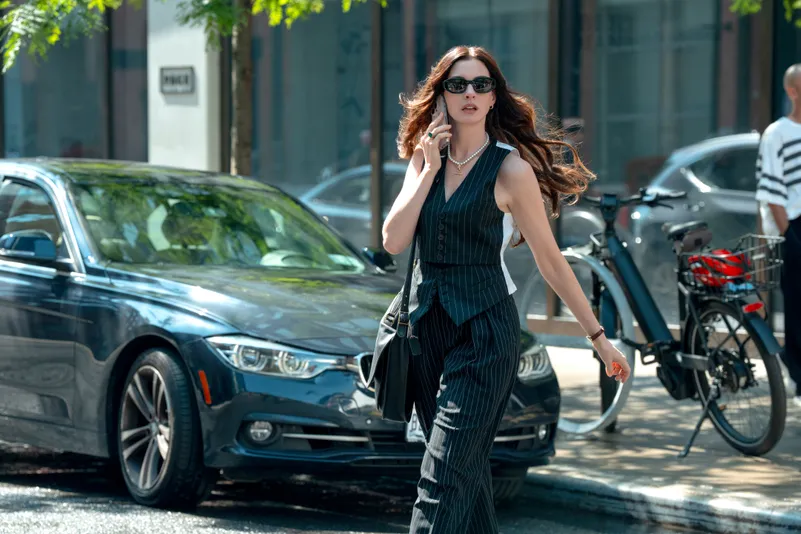
Anne Hathaway is wonderful as Andy, bringing a grown-up confidence to the character while keeping the same moral centre that made her so easy to root for. Andy has moved on, but she has not become cynical. She still believes in journalism, still believes in doing things properly, and still refuses to treat her work like something disposable. Her line, “Journalism still fucking matters!”, is one of the film’s most satisfying moments. In a media landscape full of shrinking budgets, messy priorities and everyone chasing the next viral spike, it hits with real force.
Andy’s personal life also gets a small update. Nate is nowhere to be seen or mentioned, while Andy’s new romantic thread comes through Peter, an Australian contractor played by Patrick Brammall, who has actually read her articles before their first date. A low bar, perhaps, but a welcome one. Andy’s later comment about having been in long-term relationships with men who never read her work gives the subplot a funny little sting.
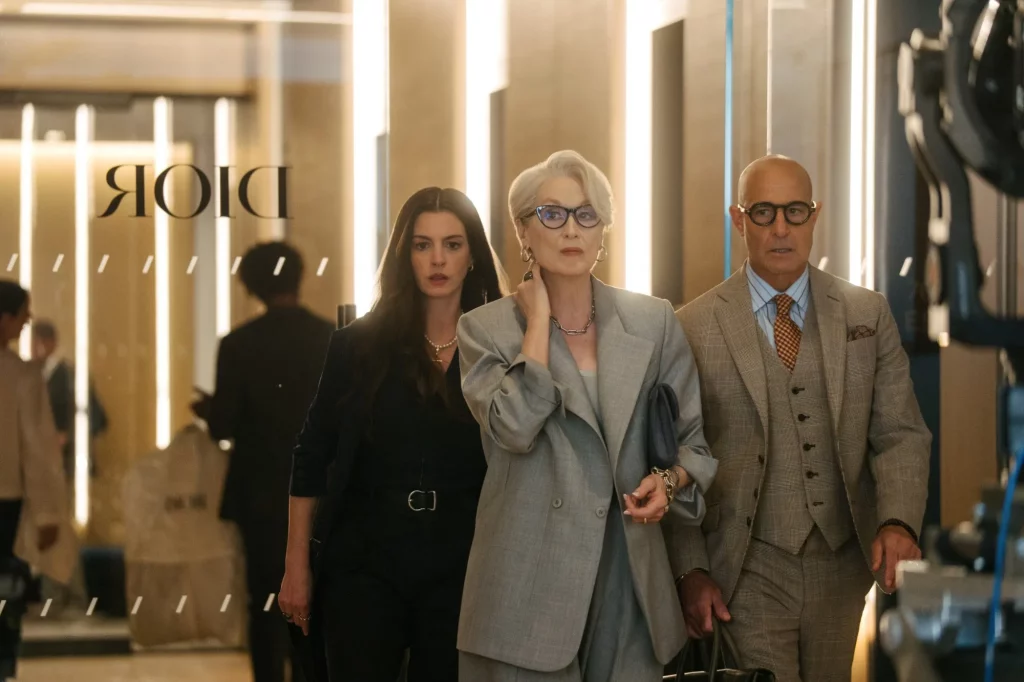
Stanley Tucci is wonderful as Nigel, slipping back into the role with effortless warmth and that dry humour he does so well. At first, there is a slight surprise in finding him still at Runway and still so closely tied to Miranda after all these years, but Tucci makes that loyalty feel entirely believable. Nigel remains one of the film’s great pleasures, especially in his scenes with Andy, where that familiar sweetness between them is still very much there. The sequel also gives him a little more emotional depth, which pays off beautifully later in the film.
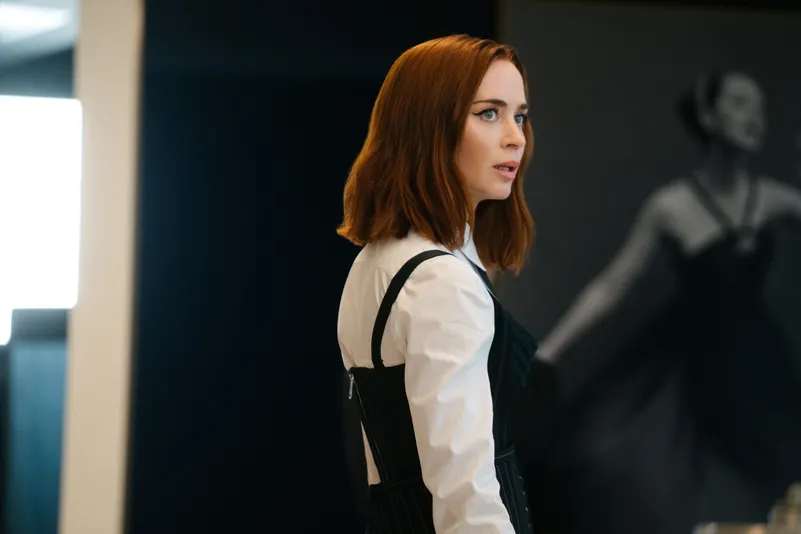
Emily Blunt gets some of the film’s best material as Emily Charlton, who has built a life outside Runway but still carries every ounce of the character’s theatrical judgement. She is now a Dior executive, and Blunt has a lot of fun with Emily being the one with power in the room for a change. Her scenes with Miranda are especially enjoyable because the comedy has a bittersweet edge. Emily’s hurt comes from feeling pushed out by Miranda without ever fully understanding why, which gives their dynamic more feeling beneath the perfectly timed insults.
Big Names, Bigger Energy
The film opens things up beyond the core group, and the new assistant setup works really well, especially because the film knows it cannot simply recreate Andy and Emily’s original dynamic. Simone Ashley is a real standout as Amari, Miranda’s new first assistant, or as the film’s world clearly frames her, the new Emily. She has the polish, the panic and the scary level of competence required for anyone working that close to Miranda, but Ashley gives her a fresh energy of her own. Caleb Hearon brings a softer comic touch as Charlie, Miranda’s current second assistant, who very quickly becomes “Charlie with the chair.” He adds a bit of warmth to the office scenes without making the character feel too broad. Still, nobody is mistaking Runway for a relaxed workplace. Assistants still wait up for the book, nobody dares wander upstairs into Miranda’s private life, and someone, somewhere, is still whispering that a million girls would kill for this job.
Lucy Liu brings mystery and glamour as designer Sasha Barnes, while Justin Theroux clearly enjoys himself as tech billionaire Benji Barnes, a billionaire with more money than sense. Kenneth Branagh does not get a huge amount of screen time as Miranda’s husband, Stuart, but I really liked what he brings to her story. His presence opens up a softer side of Miranda’s home life without making her feel any less like the Miranda we know.
The cameos are part of the fun, with Donatella Versace, Law Roach, Heidi Klum, Ciara and Ashley Graham among the famous faces popping up along the way. The biggest moment belongs to Lady Gaga, whose extended appearance gives the film a proper event-movie lift. Indulgent? Absolutely. But if there was ever a place for glamorous overkill, it is The Devil Wears Prada 2.
Still About the Work, Even Now
Under all the clothes, cameos and sunglasses, The Devil Wears Prada 2 is still about work. That is what gives the sequel more weight than a simple nostalgia trip. The original was about ambition and survival in a workplace that could either make you or flatten you. This time, the film is asking what happens when the workplace itself starts to fall apart. Runway is no longer untouchable.
Miranda cannot just command the industry into obedience. Andy cannot rely on good journalism being valued simply because it is good journalism. That gives the story a surprisingly current edge. Print media is under pressure, cultural institutions are losing their grip, and the people who care about the work are often left trying to defend it while the money people ask for numbers.
Andy’s return works because she is not seduced by Runway in the same way this time. She understands the glamour, but she also sees the problem. She wants the magazine to matter again, and she wants that meaning to come from substance rather than fear. Miranda, meanwhile, has to reckon with the limits of her own power. The film does not turn her into a cuddly mentor, thank goodness. It keeps her edge intact, but also allows more of her vulnerability to show. She is still demanding and intimidating, yet there is a more human quality to her here that makes her fight for Runway feel unexpectedly moving.
The Emotional Pay-Off
The final stretch of the film is where The Devil Wears Prada 2 really earns its return. One of the strongest scenes comes when Miranda realises that Nigel has spent years standing just behind her, not because he lacked ambition, but because he thought that was where he was needed. Stanley Tucci is impeccable again, giving Nigel the same dry warmth that made him so beloved in the first film, but with a little more ache underneath it this time. What makes the scene work is that Miranda is not treated as a villain for missing it. She truly did not seem to understand that Nigel wanted more, or that his loyalty had come at a cost. When she sees it, the film gives both characters a moment of real care. She values him. She respects him. She calls him amazing, and because it is Miranda, that one word feels enormous.
There is also a lovely moment between Miranda and Andy, when Miranda tells her she always knew she would be something. It works so well because their relationship has never been simple. Miranda challenged Andy in ways that were often brutal, but she also recognised something in her. Hearing that acknowledgement years later feels surprisingly emotional.
The film also gives Emily and Andy a sweet ending of their own. After everything that happened between them in the first film, there is something lovely about Emily finally admitting that she wanted them to be friends. It is funny, because of course Emily makes even friendship sound slightly inconvenient, but it gives their relationship a warmer full-circle feeling. After all these years, they may actually be pals.
Then Nigel tells Andy, “Forever my girl.” And yes, it is a tearful one. The line could easily have felt like simple fan service, but it works because Andy and Nigel’s bond has always been one of the warmest parts of this world. He was the person who saw her potential early on, helped her find her footing at Runway, and treated her with kindness when she needed it most. Seeing that affection still there years later is genuinely lovely.
The final image, with Andy, Nigel and Miranda all working in their offices as the camera pulls away from the building, gives the film a satisfying sense of closure without tying everything up too neatly. Runway carries on, only now there is a little more understanding between the people keeping it alive. For this story, that feels exactly right.
CultureCues Final Thoughts
The Devil Wears Prada 2 is not trying to recreate the original, and that is why it works. The nostalgia is there, and the film clearly knows why audiences care about Runway, but it gives Andy, Miranda, Emily and Nigel enough room to grow beyond the version we remember.
I loved it far more than I expected to. Seeing them together again is genuinely emotional, especially because the film allows time to have changed them without losing the spark that made them so beloved in the first place. There is a real warmth to the reunion, along with plenty of humour, and the affection for the original comes through without making the sequel feel trapped by it.
Meryl Streep remains fabulous as Miranda, while Anne Hathaway gives Andy the thoughtful, grown-up return she deserves. Emily Blunt is iconic all over again, and Stanley Tucci brings such care to Nigel that his return becomes one of the film’s most moving pleasures. It may not have quite the same bite as the first film, but it has a lot of heart and a clear love for these characters.
And oh, the fashion is fabulous. That’s all.
CultureCues Rating: ★★★★☆ (4/5)
The Devil Wears Prada 2 is released in UK cinemas on 1 May 2026.

Nikki Murray is a UK-based writer, screenwriter and founder & editor of CultureCues, covering film, television, music and pop culture. Her work focuses on storytelling and the moments shaping modern entertainment.