More than a decade after it first unsettled audiences with its bleak yet brilliant vision of technology and society, Black Mirror continues to prove that its premise remains as relevant as ever. Created by Charlie Brooker, the anthology series has built its reputation on examining the darker consequences of modern innovation, often pushing familiar technologies just a few steps further to reveal something deeply uncomfortable about the world we already live in.
Season 7 dropped on Netflix on 10 April 2025, bringing six new episodes that once again examine the darker corners of our increasingly digital lives. From artificial intelligence and immersive gaming to the unsettling economics of subscription based technology, each story reflects anxieties that feel uncomfortably close to reality. After the more experimental tone of Season 6, many viewers approached the new instalment with cautious curiosity. Fortunately, Season 7 feels like a confident return to the show’s core identity.
This time around, Brooker once again focuses on the quiet, everyday dangers of technology rather than purely dystopian spectacle. The result is a season that feels unsettlingly plausible, exploring how digital systems, algorithms and virtual spaces are shaping modern relationships and behaviour in ways that often feel disturbingly familiar.
Season 7 consists of six episodes:
• Episode 1: Common People
• Episode 2: Bête Noire
• Episode 3: Hotel Reverie
• Episode 4: Plaything
• Episode 5: Eulogy
• Episode 6: USS Callister: Into Infinity
Together, these stories explore themes ranging from nostalgia and immersive gaming to the fragility of memory and the emotional consequences of emerging technologies. As always with Black Mirror, the episodes vary in tone. Some lean into bleak social commentary, while others embrace dark humour or emotional storytelling.
What connects them all is the show’s central idea that technology rarely creates problems on its own. Instead, it magnifies the flaws already present in human behaviour.
A Season Filled With Strong Performances
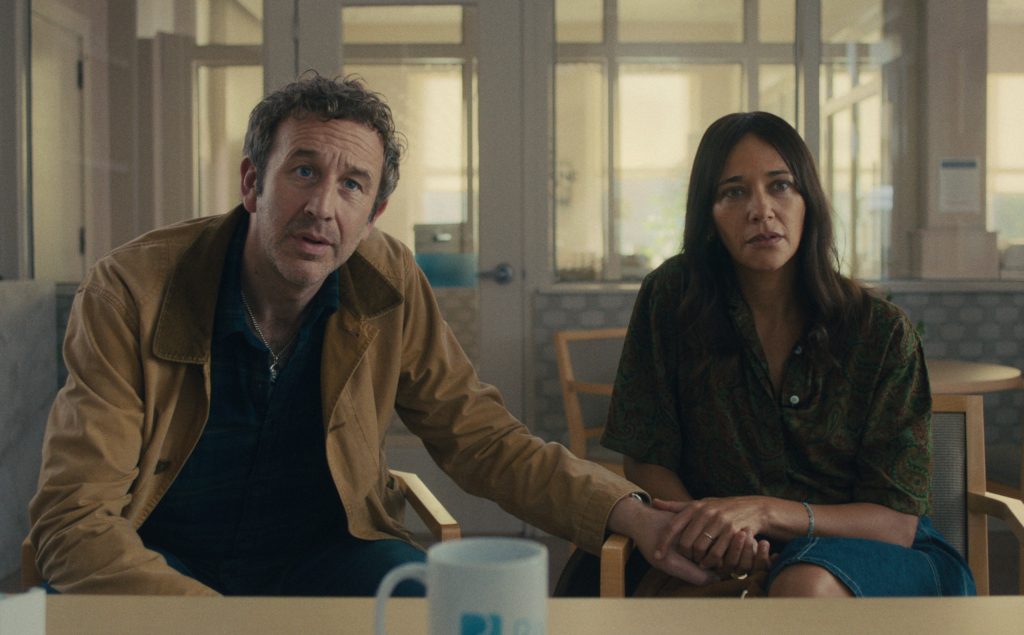
One of the defining features of Season 7 is its impressive cast. The opening episode, Common People, stars Rashida Jones and Chris O’Dowd as a married couple whose lives spiral after experimental medical technology saves one of them at a devastating financial cost. Tracee Ellis Ross appears as the corporate representative selling the life saving procedure, embodying the chilling mix of optimism and indifference that defines the episode’s critique of subscription based technology.
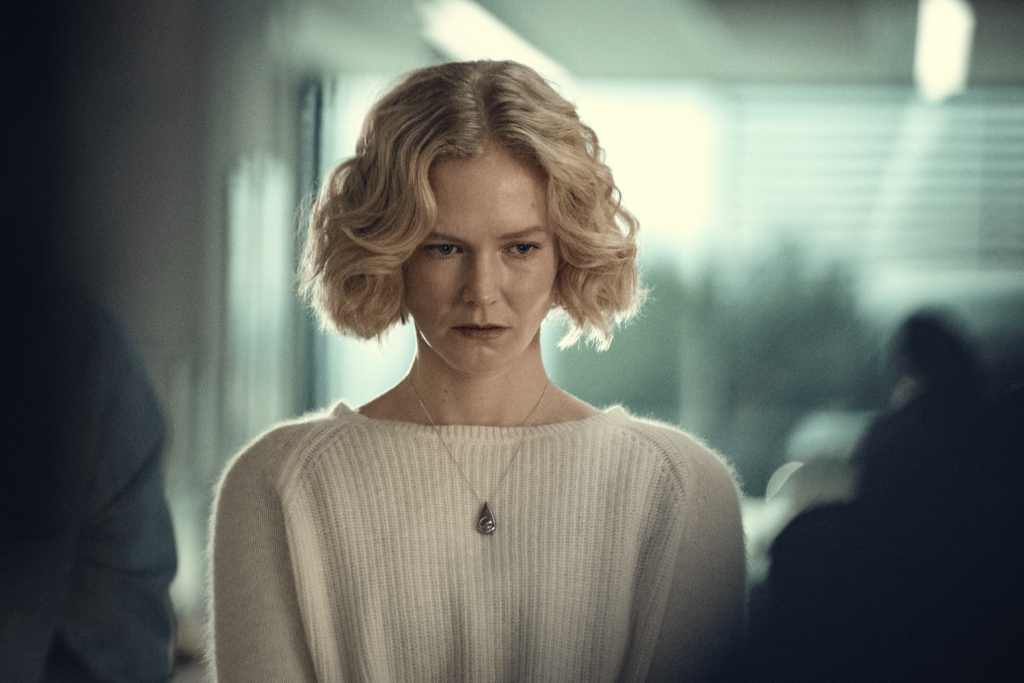
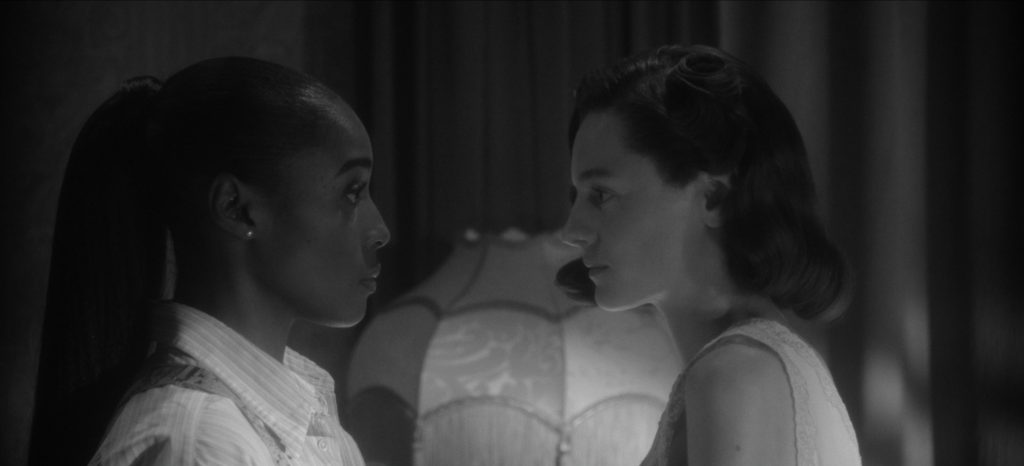
Elsewhere, the season features a wide range of performances that anchor the show’s ambitious concepts. Siena Kelly and Rosy McEwen bring tension and dark humour to Bête Noire, while Issa Rae and Emma Corrin deliver one of the season’s most emotional storylines in Hotel Reverie, a haunting exploration of artificial intelligence and classic Hollywood nostalgia.
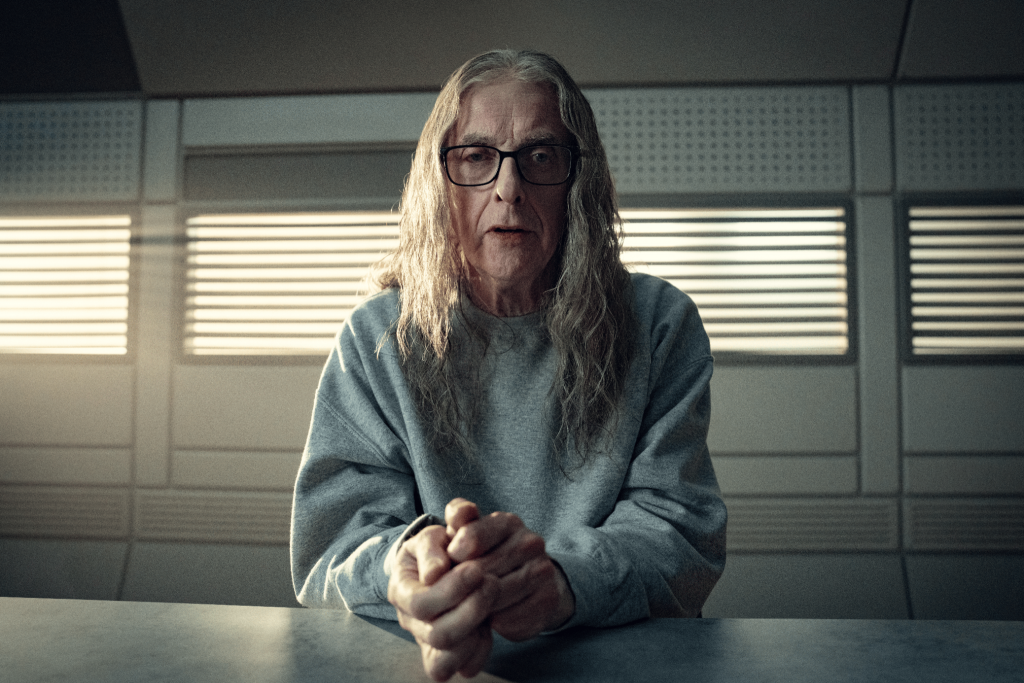
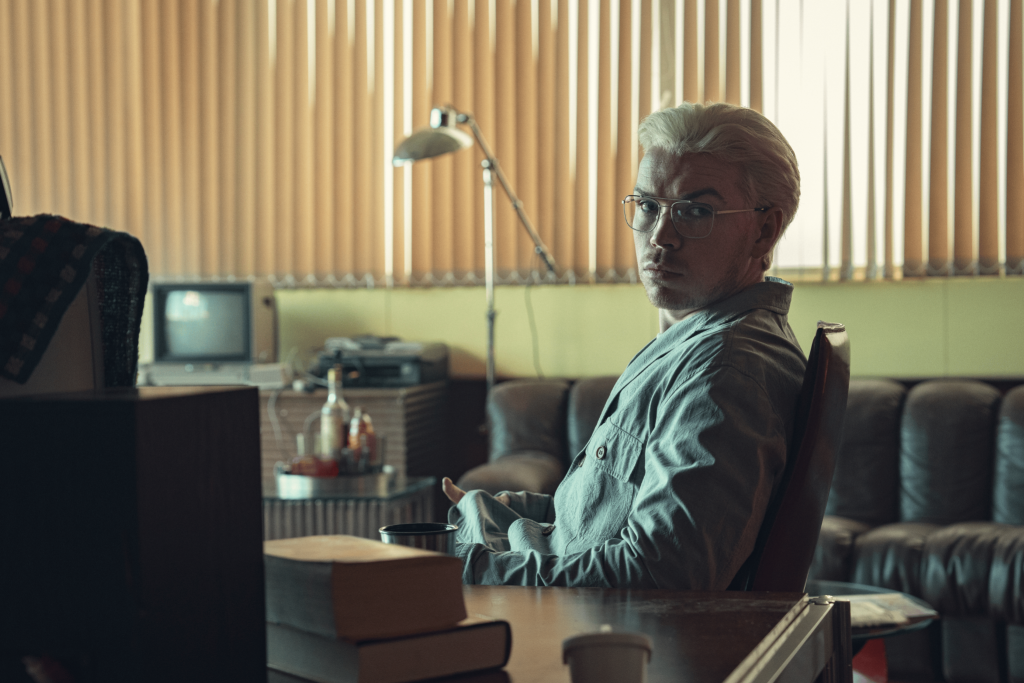
Later episodes introduce equally compelling performances, including Peter Capaldi in Plaything as a troubled gaming journalist whose past obsession with a mysterious video game resurfaces decades later. In Eulogy, Paul Giamatti delivers one of the season’s most quietly devastating performances as a man revisiting painful memories through experimental technology.
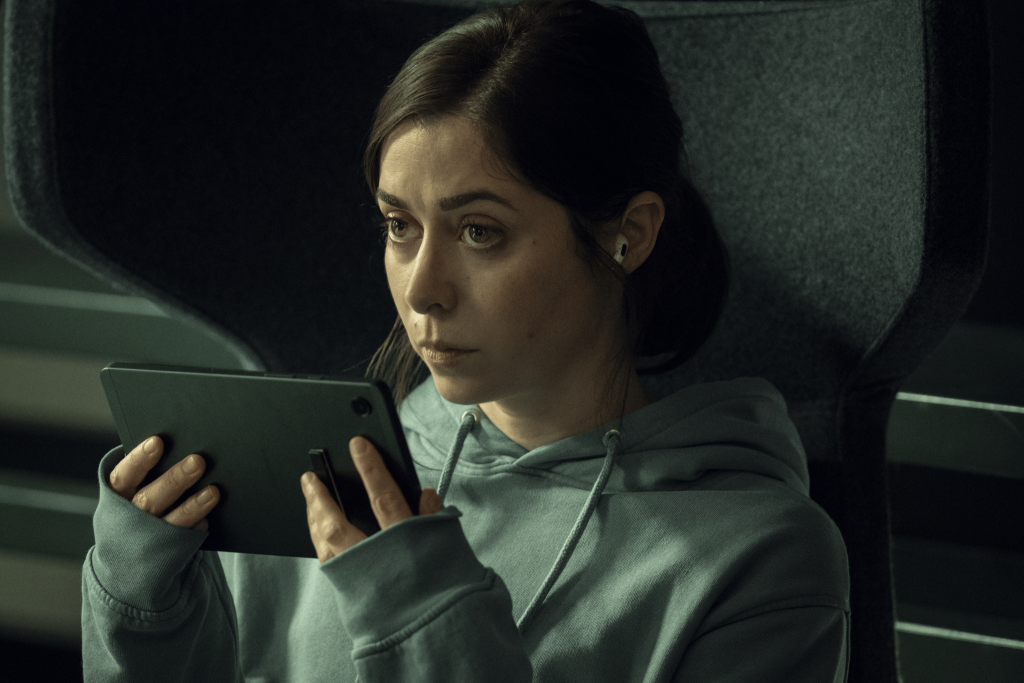
The season concludes with USS Callister: Into Infinity, a sequel to one of the show’s most beloved episodes. Cristin Milioti and Jimmi Simpson return to the virtual universe introduced in Season 4, expanding the story of digital consciousness and corporate power inside a simulated galaxy.
Stories That Reflect the Present
What continues to make Black Mirror compelling is its ability to hold a mirror up to the present rather than simply imagining the future. Many of the technologies featured in the series already exist in some form, making the stories feel less like distant speculation and more like warnings about the paths society may already be taking.
Episodes like Common People explore the frightening possibility of subscription based access to life saving technology, turning healthcare into a relentless financial trap. Bête Noire plays with shifting realities and manipulation, while Hotel Reverie explores the ethical boundaries of artificial intelligence in the world of cinema.

At the same time, Plaything dives into the psychology of immersive gaming and digital obsession, and Eulogy reflects on memory, grief and the seductive power of technology that promises to reconstruct the past. The variety of themes ensures that each episode feels distinct while still contributing to the show’s wider exploration of how technology shapes human life.
CultureCues Standout Moment
One of the most memorable moments of the season arrives in the opening episode, Common People. What begins as a hopeful medical breakthrough quickly transforms into something far more disturbing when a couple realises that the life saving technology keeping one of them alive comes with an ongoing monthly subscription cost.

As the system begins inserting targeted advertising directly into the woman’s speech and behaviour when the couple can no longer afford the premium plan, the scene becomes both darkly comic and deeply unsettling. It is exactly the kind of concept Black Mirror excels at, taking an already familiar business model and pushing it to its most uncomfortable conclusion.
The moment perfectly captures the show’s enduring power to transform everyday technological trends into something genuinely chilling.
A Dark Reflection That Still Feels Necessary
After so many seasons, it would be easy for a show like Black Mirror to lose its edge. Yet Season 7 demonstrates that the series still has plenty to say about the uneasy relationship between technology and human behaviour.
Not every episode reaches the emotional heights of the show’s most iconic instalments, but the season as a whole feels confident, ambitious and surprisingly heartfelt in places. Some episodes are bleak, others unexpectedly moving, and a few even embrace the show’s darker sense of humour.
More than anything, the new season reminds viewers why Black Mirror became such a cultural phenomenon in the first place. In a world where technological change continues to accelerate, the series remains uniquely positioned to explore the consequences. And as Season 7 proves once again, sometimes the most frightening future is simply the one that already feels a little too close to reality.

Nikki Murray is a UK-based writer, screenwriter and founder & editor of CultureCues, covering film, television, music and pop culture. Her work focuses on storytelling and the moments shaping modern entertainment.