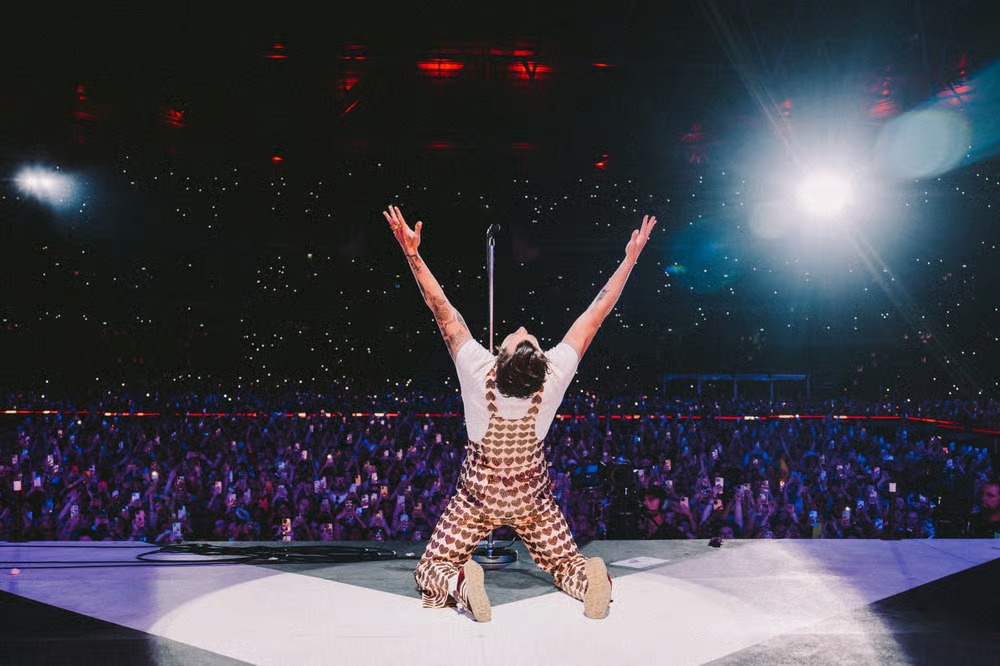
When Harry Styles launched Love On Tour in 2021, it arrived during a strange and uncertain moment for the live music industry. Concerts were cautiously returning after the long pause caused by the global pandemic, and audiences were eager for shared experiences again.
What followed was not simply a successful tour, but one of the most defining pop concert events of the decade. Spanning more than two years and dozens of cities across the world, Love On Tour evolved into something far bigger than a traditional album tour. It became a celebration of community, identity and the emotional connection between artist and audience.
By the time the tour concluded in 2023, it had reshaped expectations for what a modern pop concert could look and feel like.
A Stage Built for Joy
From the beginning, Love On Tour stood apart from many large scale pop productions. Instead of relying heavily on spectacle or elaborate storytelling visuals, Styles placed the focus firmly on the atmosphere inside the venue.
The stage design allowed him to move freely across multiple platforms and extended runways, encouraging constant interaction with the audience. Rather than performing from a distance, Styles frequently ran through the crowd, waved to fans in every corner of the arena and created moments that felt spontaneous and personal. The concerts quickly developed a reputation for their euphoric atmosphere. Fans arrived dressed in feather boas, colourful outfits and sequins, transforming arenas and stadiums into spaces of celebration long before the show even began.
Creating a Space for Expression
One of the most significant aspects of Love On Tour was the environment it created for fans. Styles openly encouraged audiences to express themselves freely, whether through fashion, signs or shared moments during the show.
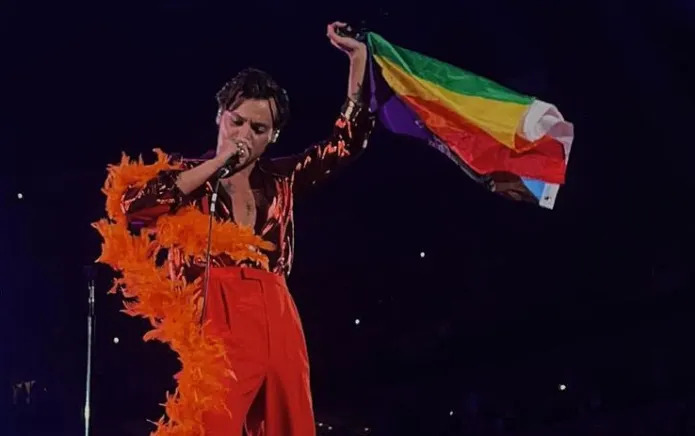
Over time, the concerts became known for their visible sense of inclusivity. Pride flags waved throughout the crowd, and Styles frequently took time during performances to read fan signs, celebrate milestones or acknowledge deeply personal messages from the audience. These interactions helped shape the identity of the tour. Rather than feeling like a distant pop spectacle, each show became a collective experience built around joy, acceptance and connection.
A Setlist That Celebrated Every Era
Musically, the tour also served as a showcase for Styles’ evolving catalogue. Songs from Harry Styles, Fine Line and Harry’s House were woven together into a setlist that balanced emotional ballads with high energy pop moments.
Tracks like “Watermelon Sugar”, “Golden” and “Late Night Talking” kept the crowd moving, while quieter moments such as “Sign of the Times” and “Matilda” allowed space for reflection. The variety of styles in the setlist reinforced Styles’ ability to move fluidly between genres, blending pop, rock and folk influences into a sound that feels distinctly his own.
A Farewell Moment in Italy
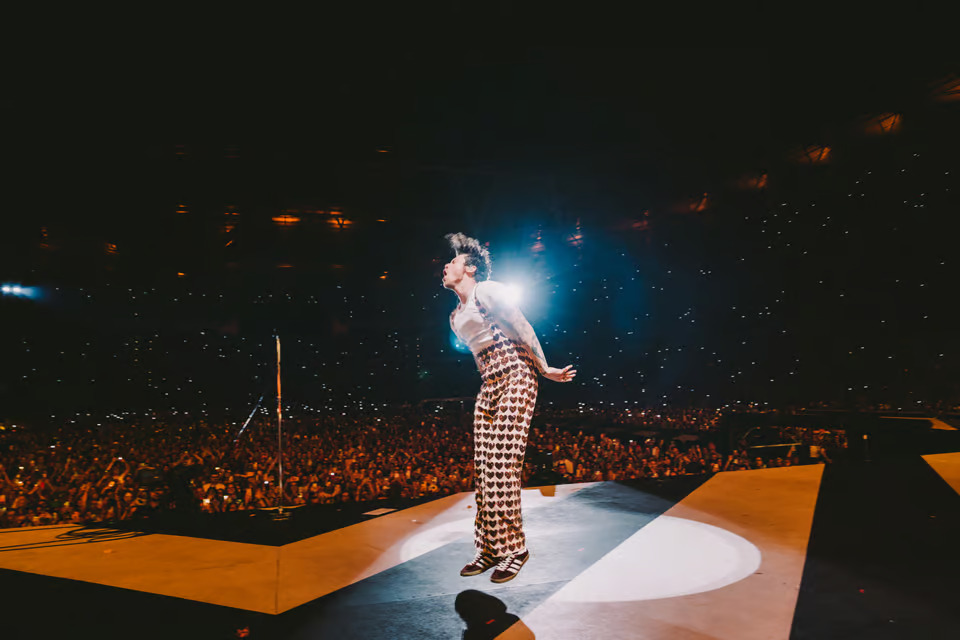
The tour reached its emotional conclusion on 22 July 2023 at the RCF Arena in Campovolo, Reggio Emilia, Italy, where more than 100,000 fans gathered for the final show.
Instead of ending the night with a typical encore, Styles surprised the crowd with something entirely different. He performed a new ten minute instrumental piano piece, written specifically for the final concert of the tour, turning the closing moments into something reflective and intimate. Before leaving the stage, Styles delivered an emotional speech to the audience in both English and Italian, thanking fans for their energy and support throughout the journey. At one point he told the crowd, “It’s been the greatest experience of my entire life.”
The moment captured exactly what Love On Tour had become over its two year run. Not simply a series of concerts, but a shared experience between artist and audience that grew more meaningful with every show.
CultureCues Final Thoughts
By the time it concluded, Love On Tour had grossed hundreds of millions of dollars and played to millions of fans across the world. Yet its legacy goes far beyond ticket sales. The tour helped redefine the atmosphere of modern pop concerts, proving that large scale arena and stadium shows can still feel personal and emotionally connected. Styles’ openness with his audience created a space where fans felt seen, celebrated and part of something larger than a typical performance.
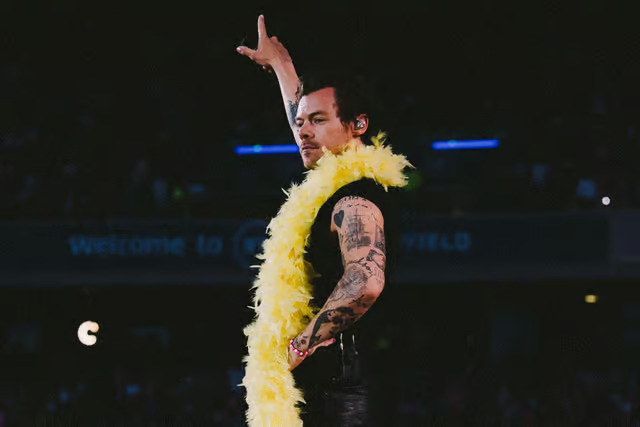
Seeing the show live only reinforced that feeling. At the Edinburgh date, the sense of community inside the stadium was unmistakable, thousands of fans singing every word while rainbow flags and handmade signs filled the crowd. It felt less like a traditional concert and more like a shared celebration of music, identity and joy.
More than anything, Love On Tour captured a moment when audiences were ready to gather again, sing together and celebrate music in shared spaces after years of uncertainty. For many fans, it was not just a concert tour. It was a cultural moment that reminded people why live music still matters.

Nikki Murray is a UK-based writer, screenwriter and founder & editor of CultureCues, covering film, television, music and pop culture. Her work focuses on storytelling and the moments shaping modern entertainment.