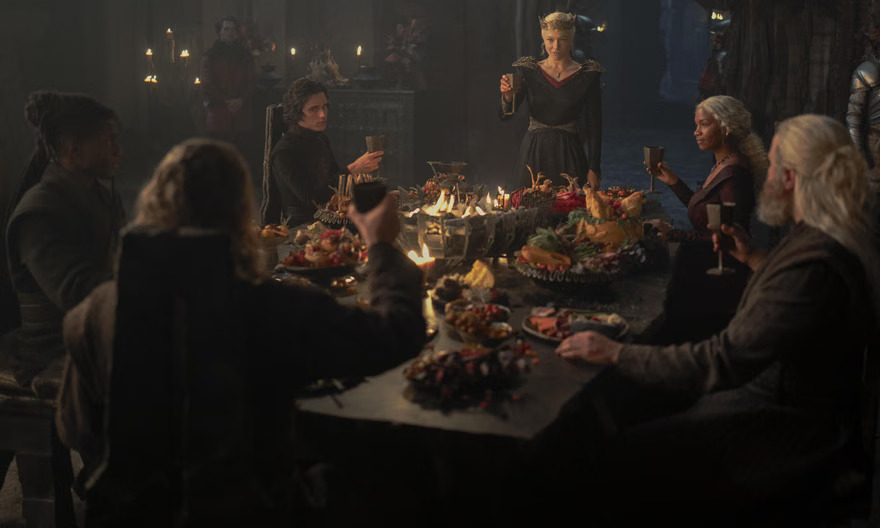
Season 2 of House of the Dragon ends not with a roar of dragonfire, but with a long inhale before the storm.
The finale, titled The Queen Who Ever Was, arrives with enormous expectations. After a season filled with mounting tension, political manoeuvring and devastating losses, many viewers anticipated a climactic confrontation between the rival Targaryen factions. Instead, the episode takes a more restrained approach. There are no large scale dragon battles, no shocking deaths and none of the explosive spectacle that defined last season’s tragic ending. Rather than delivering a traditional finale, the episode focuses on the emotional and political consequences of the war that is still building.
For some viewers, this quieter conclusion may feel frustrating. Yet the restraint also reveals what House of the Dragon is ultimately interested in exploring. While dragons and battles dominate the imagery of the series, the show remains far more concerned with the people whose choices lead to those moments of destruction. Instead of rushing towards spectacle, the finale lingers on the fragile relationships and shifting loyalties that will shape the conflict still to come.
A Finale of Build-Up, Not Payoff
Much of the tension in the finale comes from anticipation rather than action. Throughout the episode, the sense of impending war hangs heavily over every scene. Armies are marching across Westeros, alliances are forming, and dragons circle the skies as both sides prepare for what seems like an inevitable confrontation.
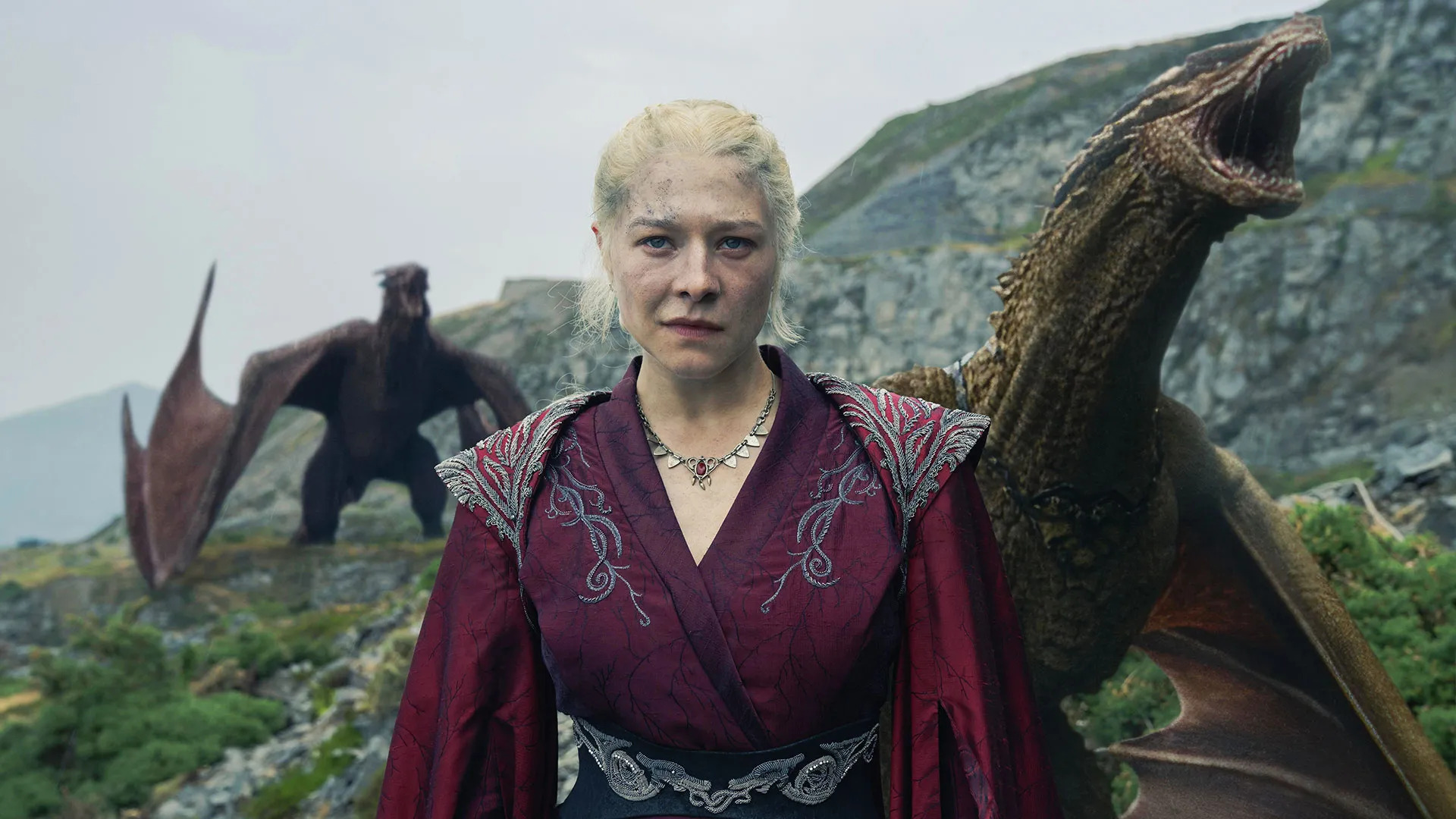
Despite this growing sense of momentum, the long awaited battles never quite arrive. The episode repeatedly hints at the devastation that lies ahead while deliberately holding back from showing it. In doing so, the series forces viewers to sit with the dread that has been building since the beginning of the conflict. The horrors of Rook’s Rest earlier in the season serve as a grim reminder of what dragon warfare truly looks like, making the calm before the next clash feel even more unsettling. War has already begun to reshape the world of Westeros. The only question now is how much worse it will become once the dragons finally take flight again.
The Power of Conversation
Without a large scale battle to drive the finale, the episode leans heavily on character interactions, and several of these moments are among the strongest the series has delivered so far. Rather than relying on spectacle, the story focuses on confrontations that reshape relationships and shift the balance of power.
Daemon’s storyline at Harrenhal finally reaches a turning point after a season filled with haunting visions and personal reckoning. When he ultimately bends the knee to Rhaenyra, the moment feels less like a political calculation and more like a reluctant acceptance after a lifetime spent chasing the crown. The scene brings a sense of closure to a storyline that has deliberately kept the character isolated for much of the season.
Elsewhere, tensions within powerful families continue to simmer. Corlys Velaryon faces the consequences of years of neglect when confronted by Alyn, while younger characters such as Jacaerys begin to grapple with the complicated legacy they have inherited. These quieter moments provide emotional weight to the episode and reinforce the idea that the coming war will not simply be about armies and dragons, but about families tearing themselves apart.
Rhaenyra And Alicent Face The Truth
At the emotional centre of the finale is the long awaited reunion between Rhaenyra and Alicent. Their confrontation carries the weight of decades of friendship, betrayal and political rivalry, allowing both characters to confront the reality of the war they helped ignite.
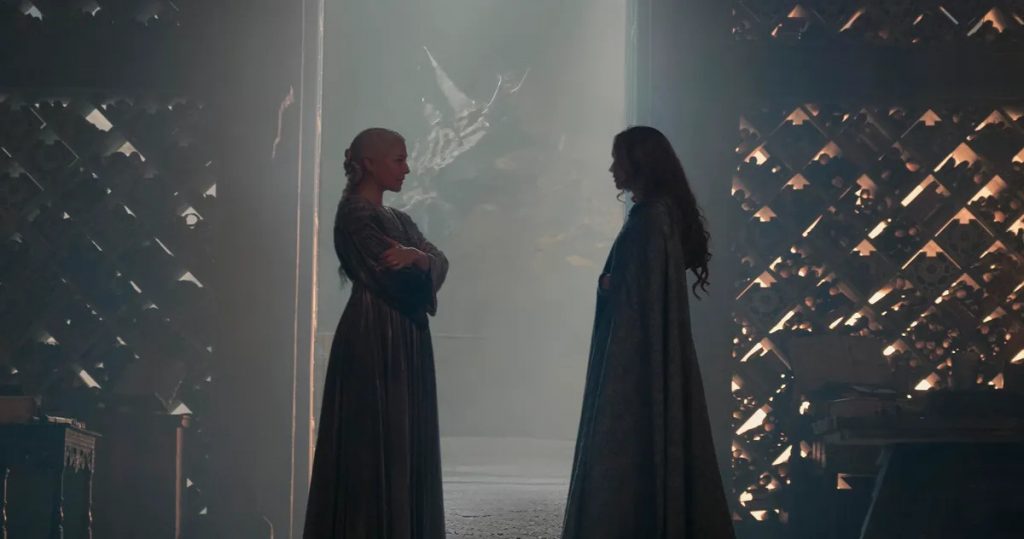
Alicent’s willingness to consider surrendering King’s Landing suggests that even she recognises how catastrophic the conflict has become. Rhaenyra, meanwhile, finds herself confronting the same question that has haunted her throughout the season: how far she is truly willing to go in order to claim the throne. Both women appear exhausted by the cycle of violence that now seems impossible to stop.
The scene does not resolve their conflict, nor does it offer a clear path forward. Instead, it highlights the tragic reality at the heart of the series. These were once two young women navigating court politics together. Now they stand on opposite sides of a war that threatens to destroy everything around them.
CultureCues Standout Moment
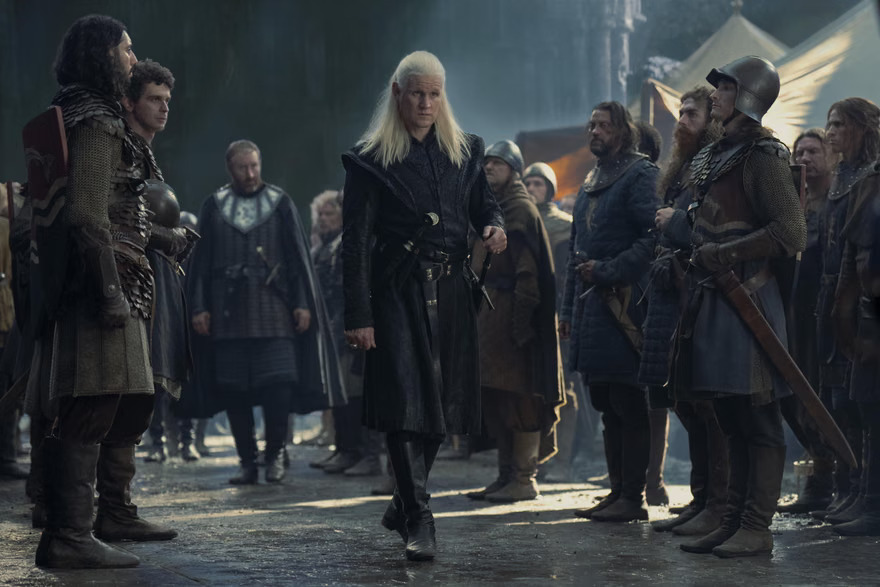
One of the most striking sequences of the finale arrives during Daemon’s vision at Harrenhal. After spending much of the season haunted by eerie hallucinations, the character experiences a series of prophetic images that appear to reveal the wider future of Westeros. The sequence blends fragments of destruction, dragons and bloodshed with haunting glimpses of events that lie far beyond the current conflict.
The moment serves as a powerful reminder that the struggle for the Iron Throne is only a small part of a much larger history. By linking Daemon’s vision to the broader mythology of Westeros, the scene reinforces the idea that the characters we are watching will one day become little more than names in a historical record. It also forces Daemon to confront his own place within that history, setting the stage for his eventual loyalty to Rhaenyra.
A Mixed But Intriguing Ending
As a piece of television drama, the finale contains several compelling performances and beautifully written scenes. The emotional confrontations between characters provide depth and complexity, reminding viewers that the true strength of House of the Dragon lies in its exploration of power, loyalty and ambition. However, as a season finale, the episode may leave some viewers feeling slightly unsatisfied. With only eight episodes this season, much of the story feels like preparation rather than payoff. Armies are marching, alliances are shifting, and dragons are gathering in the skies, yet the decisive moment never quite arrives.
The result is an ending that feels more like a pause than a climax. Still, the finale makes one thing clear: the Dance of the Dragons has only just begun, and when the war truly erupts, the devastation may be far worse than anything Westeros has seen before.

Nikki Murray is a UK-based writer, screenwriter and founder & editor of CultureCues, covering film, television, music and pop culture. Her work focuses on storytelling and the moments shaping modern entertainment.